
Hear from Our Customers

You get a roof that stands up to whatever the Gulf Coast throws at it. No more buckets catching drips during the next storm. No more worrying about that loose shingle turning into a major leak.
When we fix your roof, we’re thinking about the next hurricane season, not just today’s problem. That means materials rated for coastal conditions, fasteners that won’t corrode in salty air, and sealing techniques that actually work when the wind picks up.
The result? You sleep better during storms, your insurance stays manageable, and your home stays protected year after year.
Arm Strong Gutters & Sheet Metal has been protecting Harris County properties since 2011. We’ve seen what Hurricane Ike did, what Nicholas brought, and everything in between.
Living and working in this area means we understand the specific challenges your roof faces. The salt air that eats through cheap materials. The sudden storms that test every fastener. The humidity that finds every weak spot.
That’s why we use materials like galvalume and aluminum that actually hold up here. Our team knows the difference between a quick patch and a repair that lasts through multiple storm seasons.
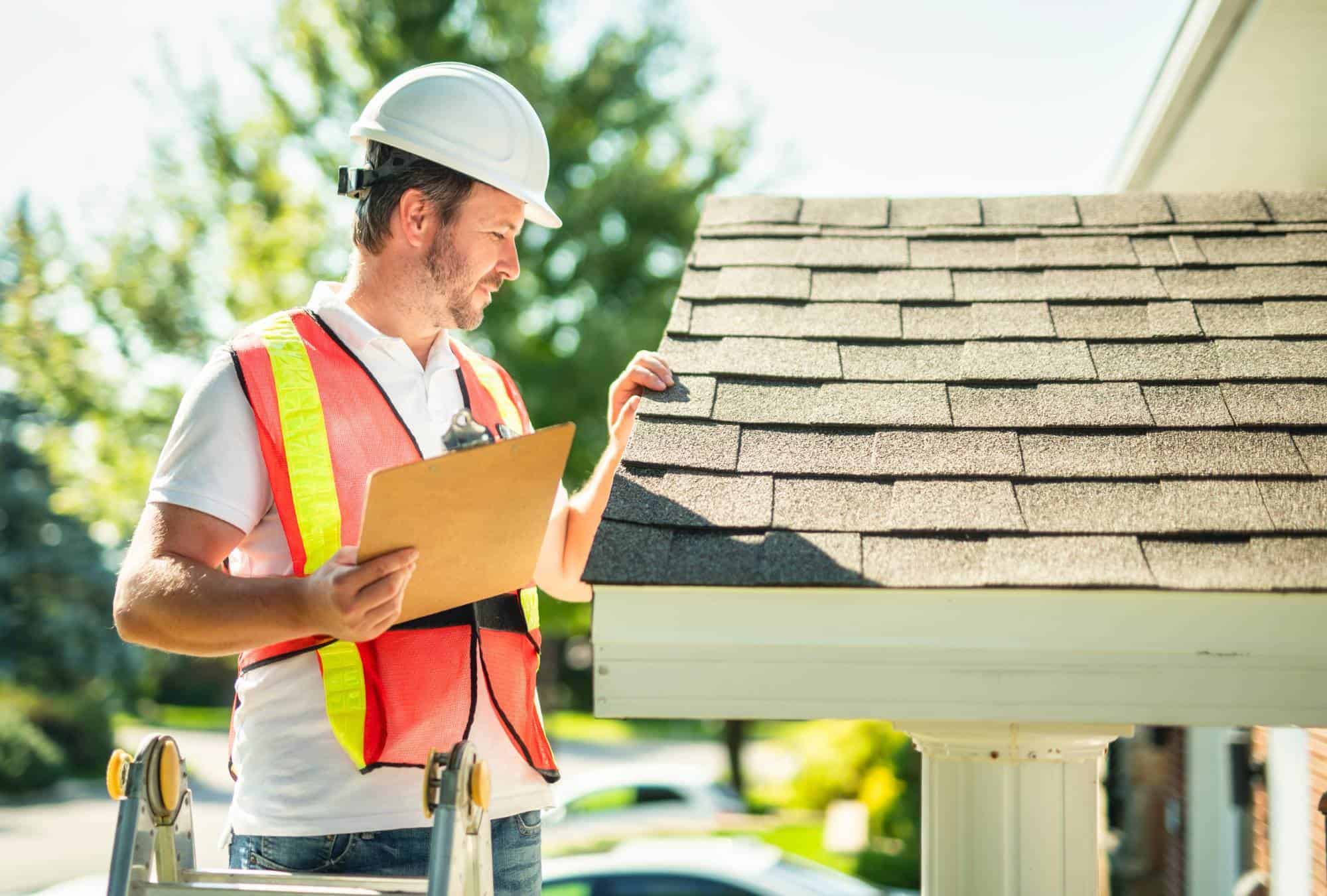
First, we inspect the damage thoroughly – not just the obvious spots, but the areas where problems often hide. We look for wind uplift damage, compromised flashing, and any signs that water has been getting where it shouldn’t.
Next, we explain exactly what needs fixing and why. No surprises, no upselling on things you don’t need. If a simple repair will solve the problem, that’s what we recommend.
Then we make the repairs using materials designed for our climate. We’re talking about fasteners that won’t pull out in high winds, sealants that stay flexible through temperature swings, and replacement materials that match or exceed what was there originally. Everything gets tested before we call it complete.
Ready to get started?
Every roof repair includes damage assessment, material matching, and proper fastening for coastal conditions. We handle everything from minor wind damage to major storm restoration.
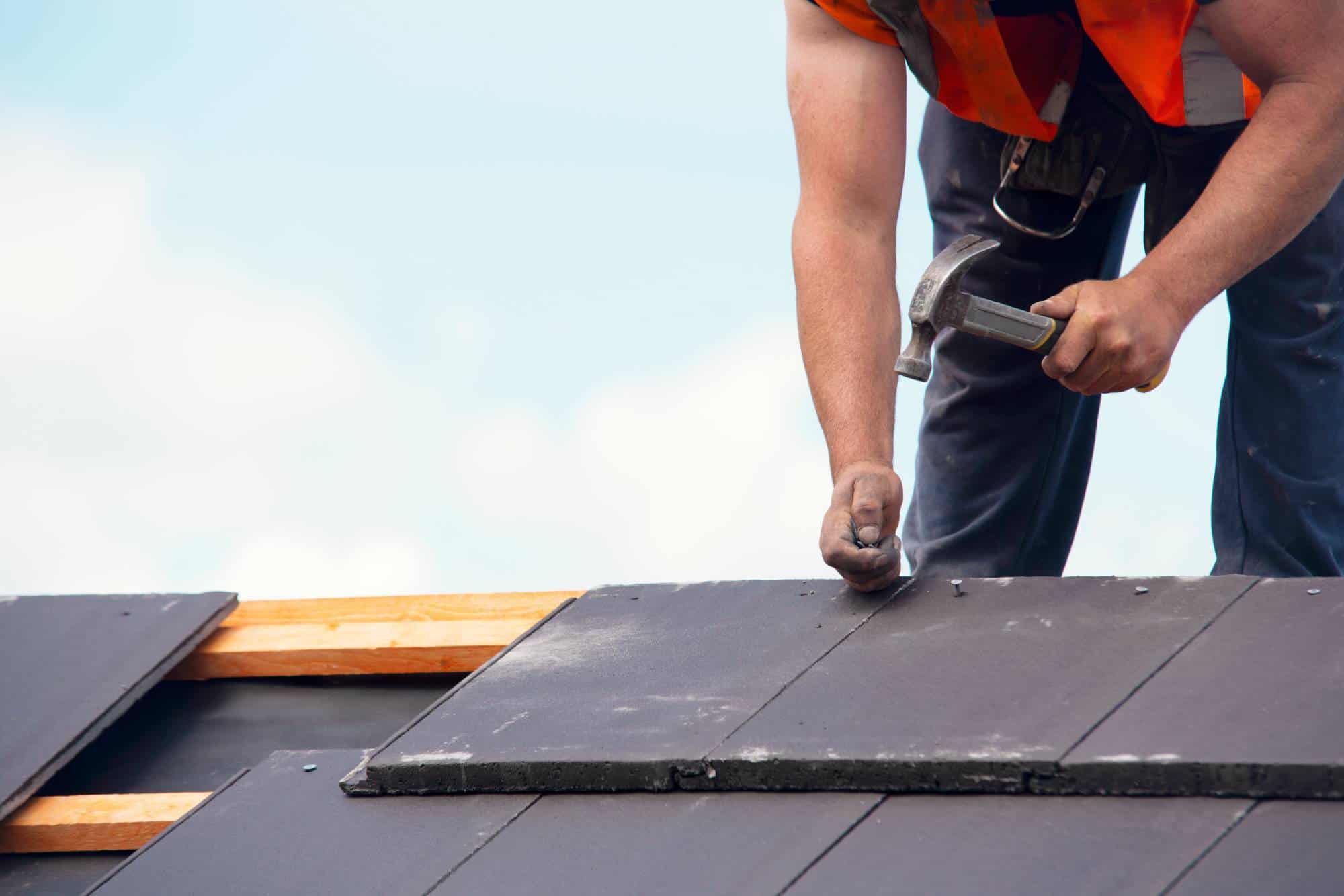
For Seabrook properties, this means special attention to hurricane-resistant installation methods. We use ring shank nails in high-wind zones, apply extra sealant around penetrations, and ensure proper ventilation to prevent moisture buildup in our humid climate.
Metal roof repairs get particular focus since many Seabrook homes chose metal for hurricane resistance. We work with standing seam, corrugated, and ribbed metal systems, using specialized techniques to maintain their weather-tight integrity. All repairs come with our workmanship warranty because we stand behind what we build.
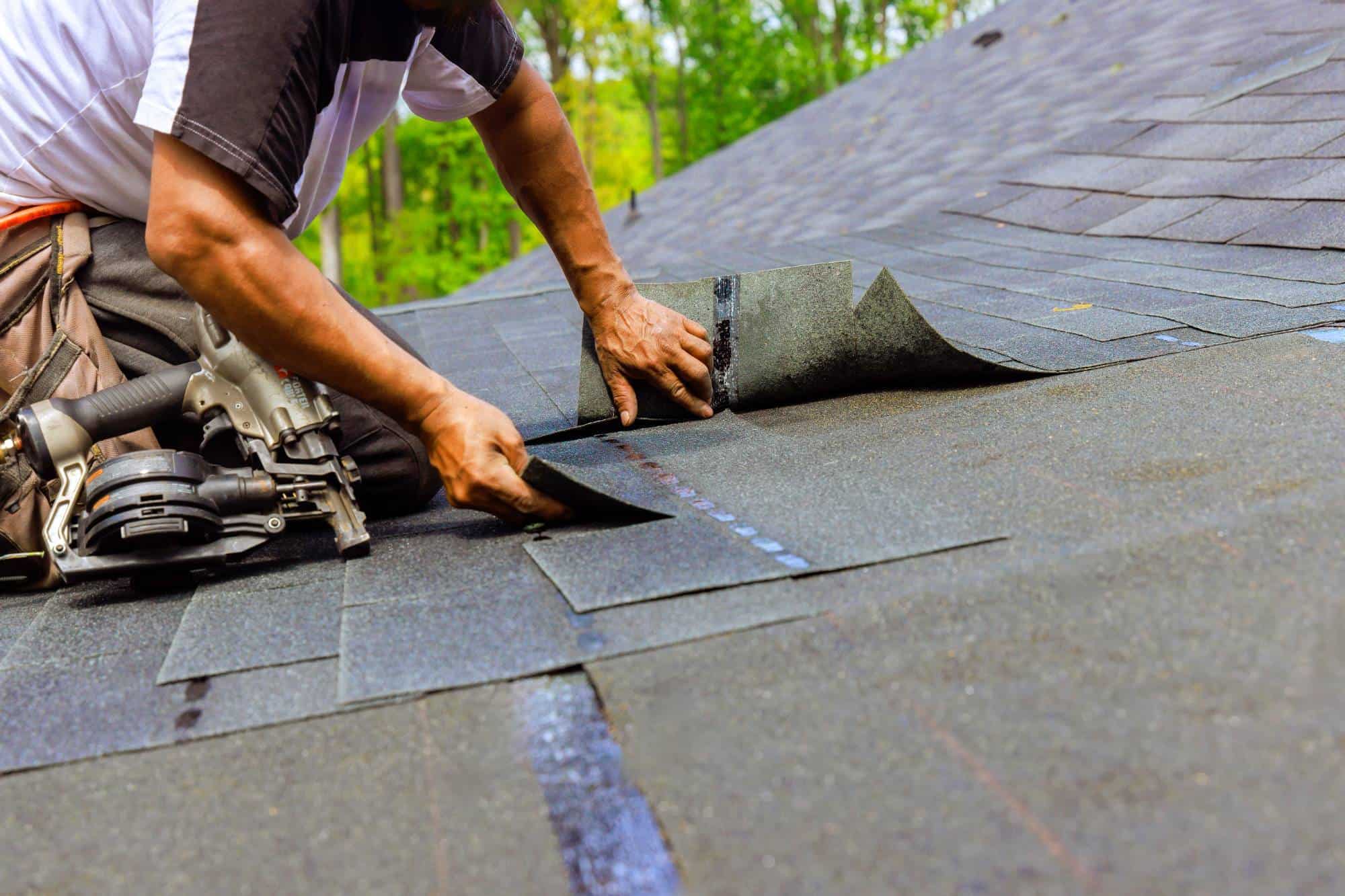
We prioritize emergency calls, especially after storms when multiple properties may be affected. Most emergency roof repairs can be started within 24-48 hours of your call.
For immediate threats like active leaks or major structural damage, we often provide temporary stabilization the same day to prevent further damage. This might include tarping, emergency patching, or securing loose materials until permanent repairs can be completed.
Our response time depends on the severity of damage across the area and weather conditions, but we always communicate realistic timelines upfront. During major storm events, we work extended hours to help as many Seabrook families as possible get their homes protected quickly.
Wind damage tops the list – loose or missing shingles, lifted metal panels, and damaged flashing around chimneys and vents. The coastal location means we also see accelerated deterioration from salt air exposure.
Hail damage occurs regularly during severe thunderstorms, creating granule loss on asphalt shingles and dents in metal roofing. Storm surge and heavy rains often reveal or create leak points around roof penetrations and valley areas.
We also handle damage from falling debris during hurricanes, UV degradation from intense sun exposure, and thermal expansion issues common in metal roofing systems. Each type requires specific repair approaches to ensure long-lasting results in our challenging climate.
Yes, we regularly work with insurance adjusters and can help document damage for your claim. We provide detailed estimates that break down materials, labor, and any code upgrade requirements.
Our team knows what insurance companies look for in storm damage assessments and can point out issues that might be overlooked during a quick inspection. We take photos, measurements, and notes that support your claim documentation.
While we can’t guarantee claim approval, we can ensure your adjuster has all the information needed to make an informed decision. We’re also experienced in working within insurance timelines and requirements to get repairs completed efficiently once claims are approved.
We select materials specifically rated for coastal environments and high-wind conditions. For metal roofing, we use galvalume steel and aluminum that resist corrosion from salt air exposure.
Fasteners are equally important – we use stainless steel or specially coated screws and nails that won’t rust out over time. Sealants and flashing materials are chosen for their ability to remain flexible through temperature changes and resist UV degradation.
For shingle repairs, we match existing materials when possible but often recommend upgrades to impact-resistant or high-wind rated products. All materials meet or exceed local building codes for wind resistance, which are stricter in coastal areas like Seabrook due to hurricane exposure.
Prevention starts with proper installation techniques during the repair process. We ensure adequate fastening, proper overlap, and complete sealing of all penetrations to prevent wind and water infiltration.
Regular maintenance is crucial in our climate. We recommend annual inspections before hurricane season to catch small issues before they become major problems. This includes checking fastener tightness, sealant condition, and clearing debris from gutters and roof surfaces.
We also advise on ventilation improvements and minor upgrades that can extend roof life. Proper attic ventilation prevents moisture buildup and reduces thermal stress on roofing materials, which is especially important in our humid coastal environment where temperature swings can be significant.
Temporary repairs are emergency measures to prevent further damage until permanent work can be completed. This includes tarping, emergency patching, or securing loose materials after storm damage.
Permanent repairs involve replacing damaged materials with new components that match or exceed the original installation. This means proper fastening, sealing, and integration with existing roof systems to restore full weather protection.
The timeline between temporary and permanent repairs depends on material availability, weather conditions, and insurance processes. We always communicate which type of repair we’re performing and when permanent work will be scheduled. Temporary measures are designed to protect your property but aren’t long-term solutions for Seabrook’s demanding weather conditions.
Useful Links
Here are some general contractor-related links: