
Hear from Our Customers

Your roof stops being a worry. Water stays outside where it belongs, and you get back to focusing on what matters to you. No more ceiling stains, no more emergency buckets, no more wondering if that small leak is turning into something bigger.
A properly repaired roof protects everything inside your home – your furniture, your flooring, your peace of mind. When we fix your roof correctly, you’re not just solving today’s problem. You’re preventing tomorrow’s headaches and protecting the value of your property.
The difference shows up in your daily life. You sleep better during storms, knowing your roof can handle whatever Texas weather throws at it. Your home stays comfortable and dry, and you avoid those expensive emergency calls that always seem to happen at the worst possible time.
We at Arm Strong Gutters & Sheet Metal understand that in Southside Place, you expect work done right. We’ve built our reputation on delivering exactly that – professional roof repair services that match the standards of your community.
We know Harris County weather. We’ve seen what spring storms and summer heat do to roofing systems, and we know how to fix them properly. Our approach is straightforward: diagnose the real problem, explain what needs to be done, and complete the work using quality materials and proven techniques.
You won’t get sales pressure or unnecessary upselling from us. We focus on solving your roofing problem efficiently and effectively, so you can get back to your life without worrying about whether the repair will hold up.
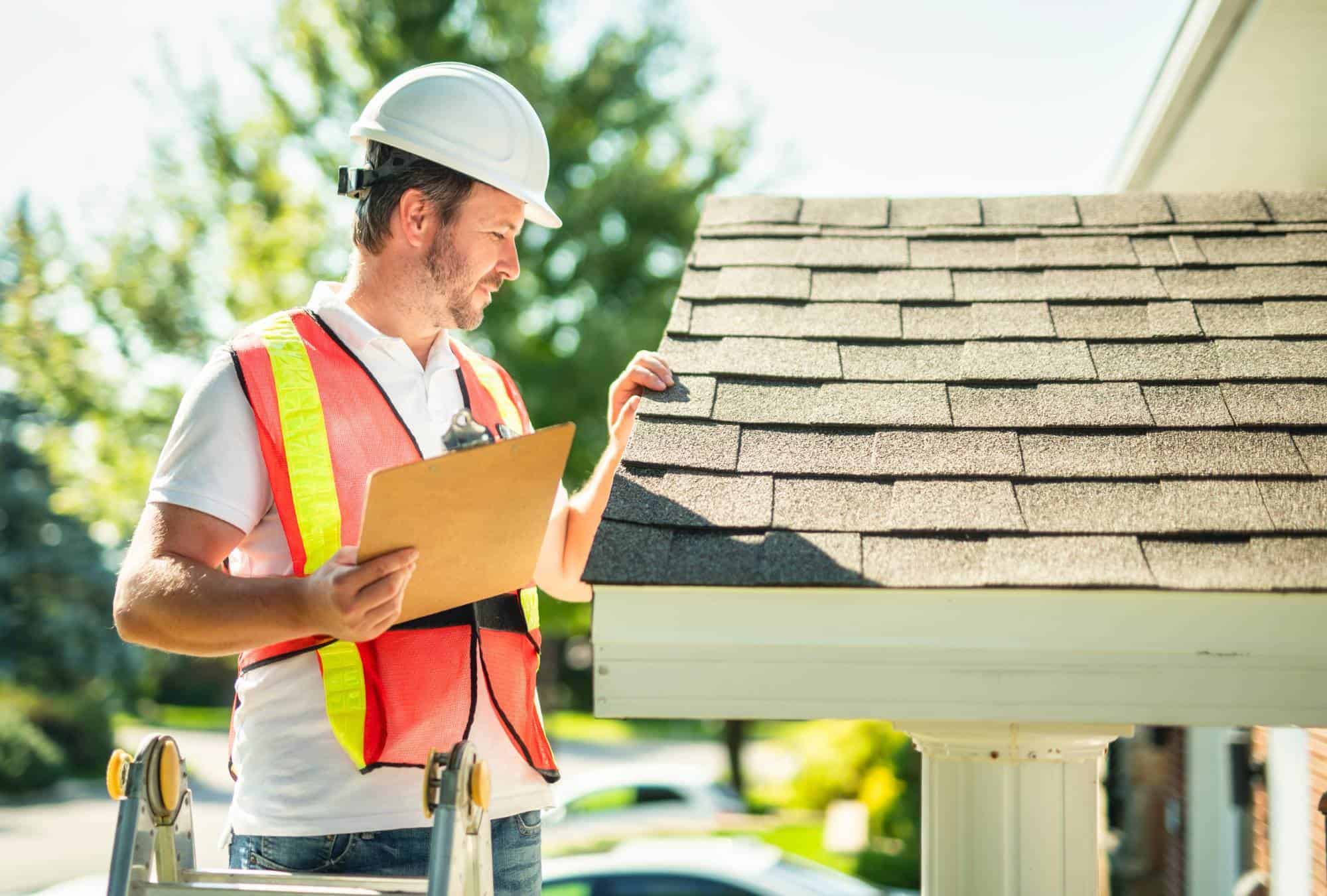
First, we inspect your roof thoroughly to identify not just the obvious damage, but any underlying issues that could cause problems later. We look at everything – the roofing material, flashing, gutters, and structural elements that might be affected.
Next, we explain what we found in plain language. No confusing technical jargon or pressure tactics. Just a clear explanation of what’s wrong, what needs to be fixed, and what it will cost. You’ll understand exactly what work is being done and why it’s necessary.
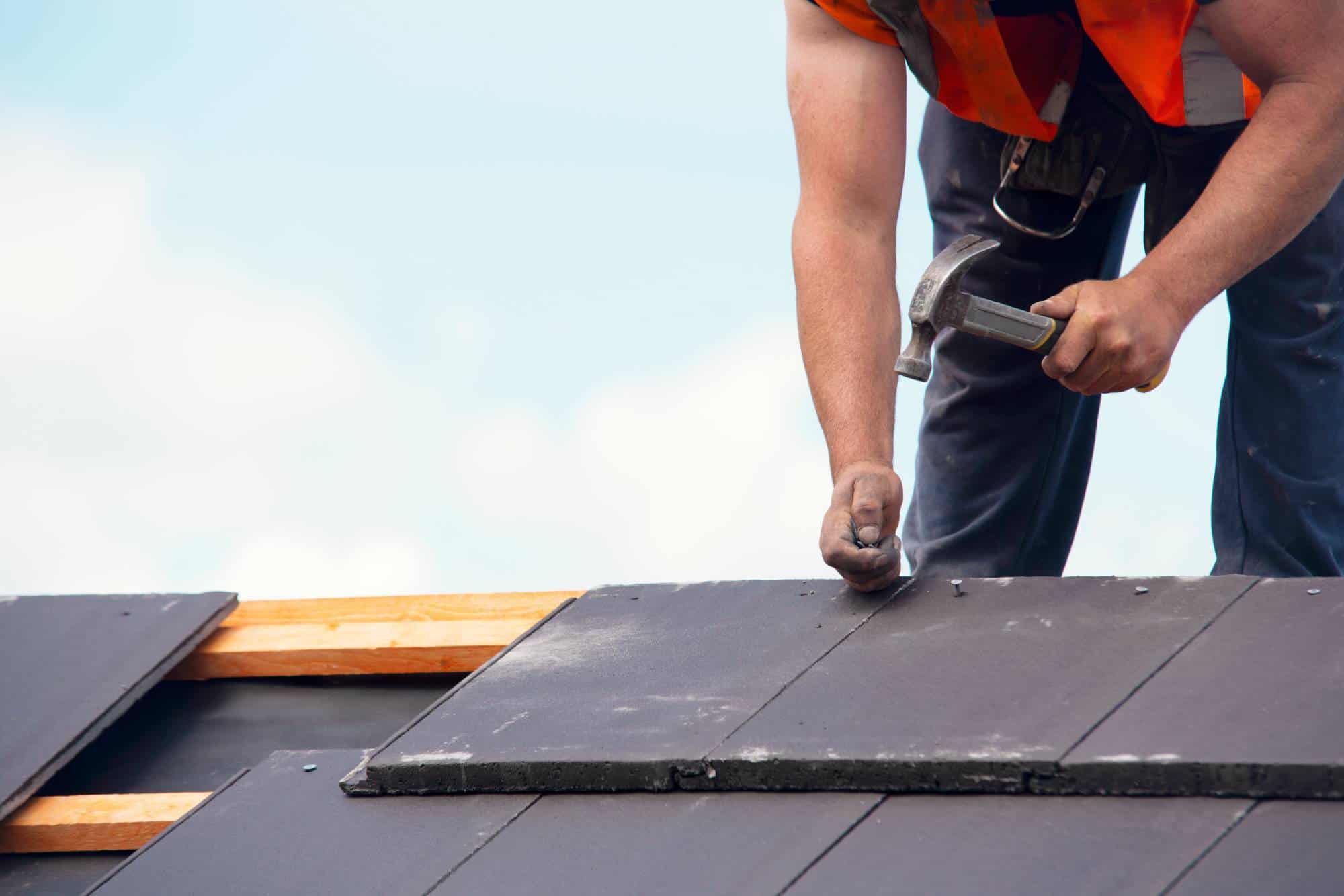
Then we complete the repair using quality materials designed for Texas weather conditions. We clean up completely when we’re finished, leaving your property in better condition than we found it. The repair is done right, and you have one less thing to worry about.
Ready to get started?
Our roof repair services cover everything from minor leak repairs to major storm damage restoration. We work with all roofing materials common in Southside Place – asphalt shingles, metal roofing, tile, and flat roof systems. Each repair is tailored to your specific roofing system and local weather challenges.
In Harris County, we deal with unique weather patterns that can stress roofing systems year-round. Spring brings severe storms with hail and high winds, while summer heat causes expansion and contraction that can loosen fasteners and create vulnerabilities. Our repairs account for these local conditions, using materials and techniques that stand up to Texas weather.
We also address the underlying causes of roof problems, not just the visible symptoms. If a leak is caused by poor flashing around a chimney, we fix the flashing properly. If wind damage has compromised your roof’s structural integrity, we restore it to full strength. This comprehensive approach means your repair lasts longer and performs better.
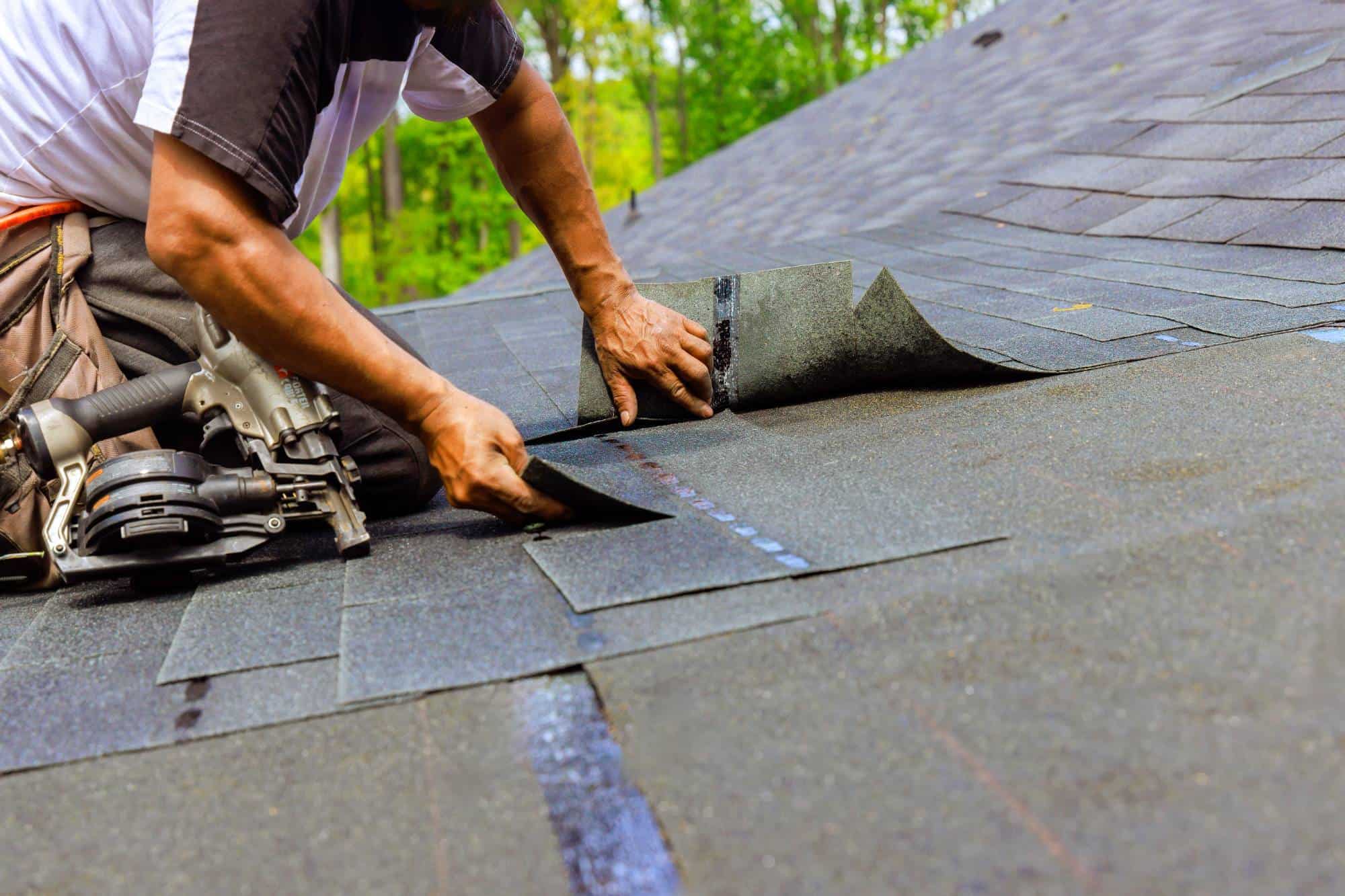
After a hailstorm, check your gutters and downspouts for dents or granules from asphalt shingles – this often indicates roof damage even if you can’t see it from the ground. Look for any obvious missing or damaged shingles, but remember that hail damage isn’t always visible from ground level.
If your car has hail damage, your roof probably does too. Hail large enough to dent a car will definitely impact your roofing materials. The damage might not cause immediate leaks, but it can weaken your roof’s protective capabilities and lead to problems down the road.
The best approach is to have a professional inspection after any significant storm. We can identify damage that might not be obvious to an untrained eye and help you understand what needs immediate attention versus what can be monitored over time.
Roof repair addresses specific problem areas while leaving the rest of your roofing system intact. This works well when damage is localized – like fixing a few damaged shingles after a storm or sealing a leak around a chimney. Repairs are typically faster and less expensive than replacement.
Roof replacement involves removing your entire existing roof and installing a new one. This becomes necessary when your roof has widespread damage, is near the end of its useful life, or has multiple problem areas that would make individual repairs impractical.
The decision often comes down to the extent of damage and the age of your current roof. If you’re facing multiple repair needs or your roof is over 20 years old, replacement might be more cost-effective in the long run. We’ll give you an honest assessment of which approach makes the most sense for your situation.
Most roof repairs can be completed in a single day, depending on the extent of the damage and weather conditions. Simple repairs like fixing a few loose shingles or sealing a small leak might only take a few hours. More complex repairs involving structural work or extensive storm damage could take two to three days.
Weather plays a big role in timing. We won’t attempt repairs during active storms or when conditions are unsafe. In Texas, afternoon thunderstorms are common, so we often start early to maximize working time before weather moves in.
We’ll give you a realistic timeline when we assess your repair needs. If the work will take multiple days, we’ll make sure your roof is properly protected between work sessions so you don’t have to worry about weather exposure during the repair process.
Texas homeowner’s insurance typically covers roof damage caused by covered perils like hail, wind, or falling trees. However, coverage varies significantly between policies, and you’ll need to pay your deductible before insurance kicks in. Storm damage is usually covered, but wear-and-tear or maintenance issues typically aren’t.
The key is documenting the damage properly and understanding your policy terms. Take photos of any visible damage and keep records of when the damage occurred. Some insurance companies require you to report damage within a certain timeframe to maintain coverage.
We can help you understand what type of damage you have and provide documentation that supports your insurance claim. We work with insurance adjusters regularly and can help ensure that necessary repairs are properly identified and covered under your policy.
First, protect your home’s interior by placing buckets or containers to catch water and moving any furniture or valuables out of the affected area. If water is coming through light fixtures or electrical outlets, turn off power to that area immediately for safety.
Try to identify where the water is entering from inside your home, but don’t go on the roof during a storm – it’s dangerous and won’t help solve the immediate problem. Take photos of the damage for insurance purposes if it’s safe to do so.
Once the storm passes, call for professional help to assess and repair the damage. Temporary fixes like tarping can help prevent further water intrusion, but they should only be done when weather conditions are safe. The sooner you address a leak, the less chance there is for water damage to spread to other parts of your home.
Regular maintenance is your best defense against Texas weather. Have your roof inspected annually, preferably before storm season starts in March. This helps identify small problems before they become major repairs. Keep gutters clean and properly secured, as clogged gutters can cause water to back up under roofing materials.
Trim tree branches that hang over your roof to prevent damage during high winds. Even small branches can cause significant damage when driven by storm-force winds. Also, check that your attic ventilation is working properly – good airflow helps prevent heat buildup that can damage roofing materials over time.
Consider upgrading to impact-resistant materials if you’re planning any roof work. Class 4 impact-resistant shingles can withstand larger hail and may qualify you for insurance discounts. These materials cost more upfront but can save money long-term by reducing storm damage and insurance claims.
Useful Links
Here are some general contractor-related links: