
Hear from Our Customers

Your roof should be the one thing you don’t have to think about when the weather turns. After we’re done, you’ll have a roof that handles whatever Texas throws at it—from hail the size of golf balls to those sudden downpours that seem to find every weak spot.
No more buckets in the living room. No more wondering if that small leak is about to become a big problem. You’ll sleep better knowing your roof is built to protect what matters most.
When the next storm hits Spring, you’ll be the neighbor whose roof stays solid while others are scrambling for tarps and emergency repairs.
Armstrong Gutters & Sheet Metal has been protecting Spring-area homes and businesses from Texas weather for years. We’ve seen what the Houston area’s unpredictable storms can do to roofs—and we know exactly how to fix it right.
Spring sits right in the path of some of Texas’s most challenging weather patterns. The combination of Gulf Coast humidity, sudden temperature swings, and those notorious hail storms that roll through Harris County creates unique challenges for roofs.
We use materials and techniques specifically chosen for this climate. Not generic solutions, but approaches that work when you’re dealing with 100-degree summers followed by surprise hail storms in March.

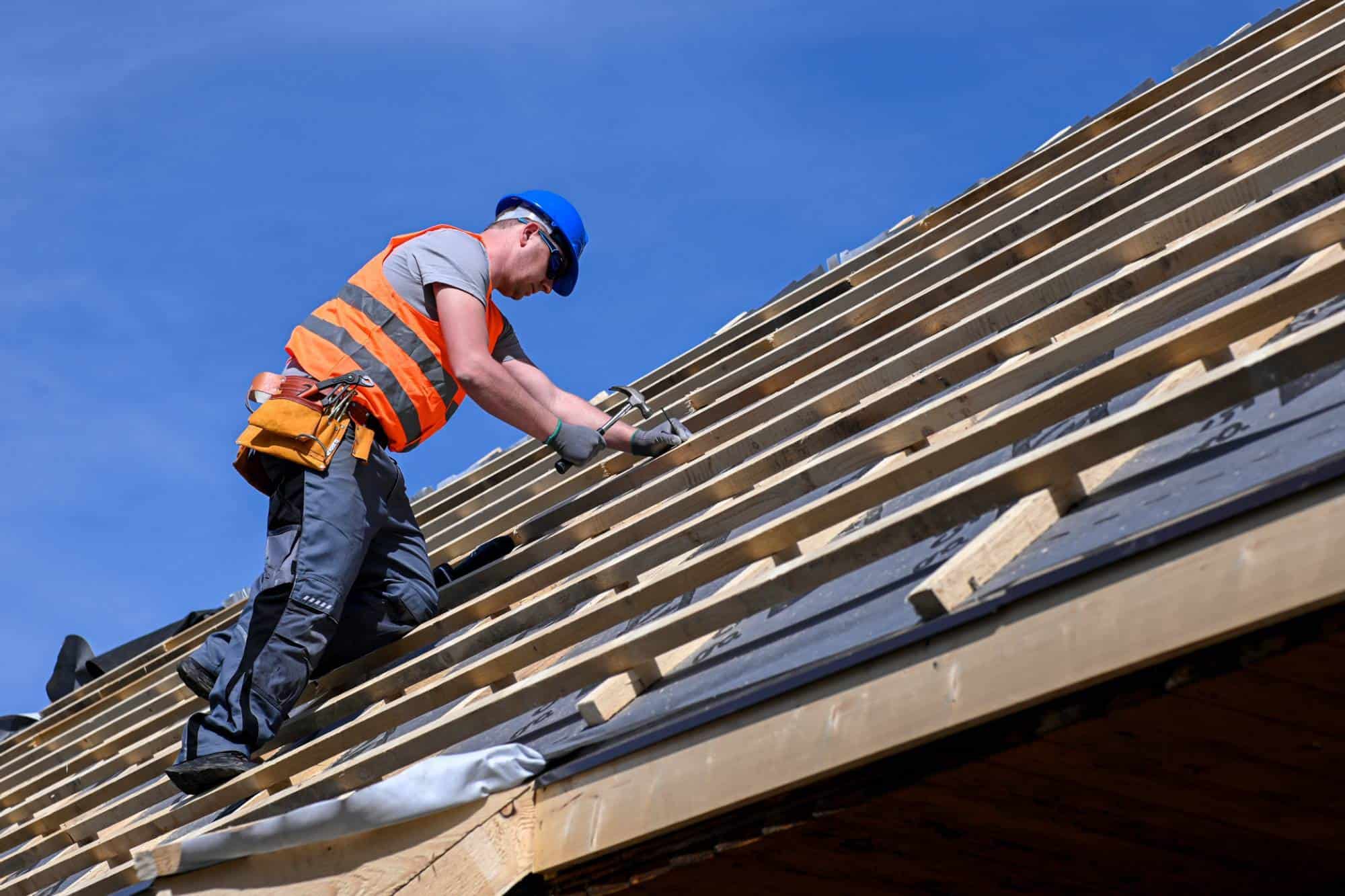
First, we climb up and actually look at your roof—not just guess from the ground. We document everything, take photos, and identify not just the obvious damage, but the spots that might cause problems later.
Then we explain what we found in plain language. No roofing jargon, no pressure tactics. Just a clear picture of what needs fixing and why.
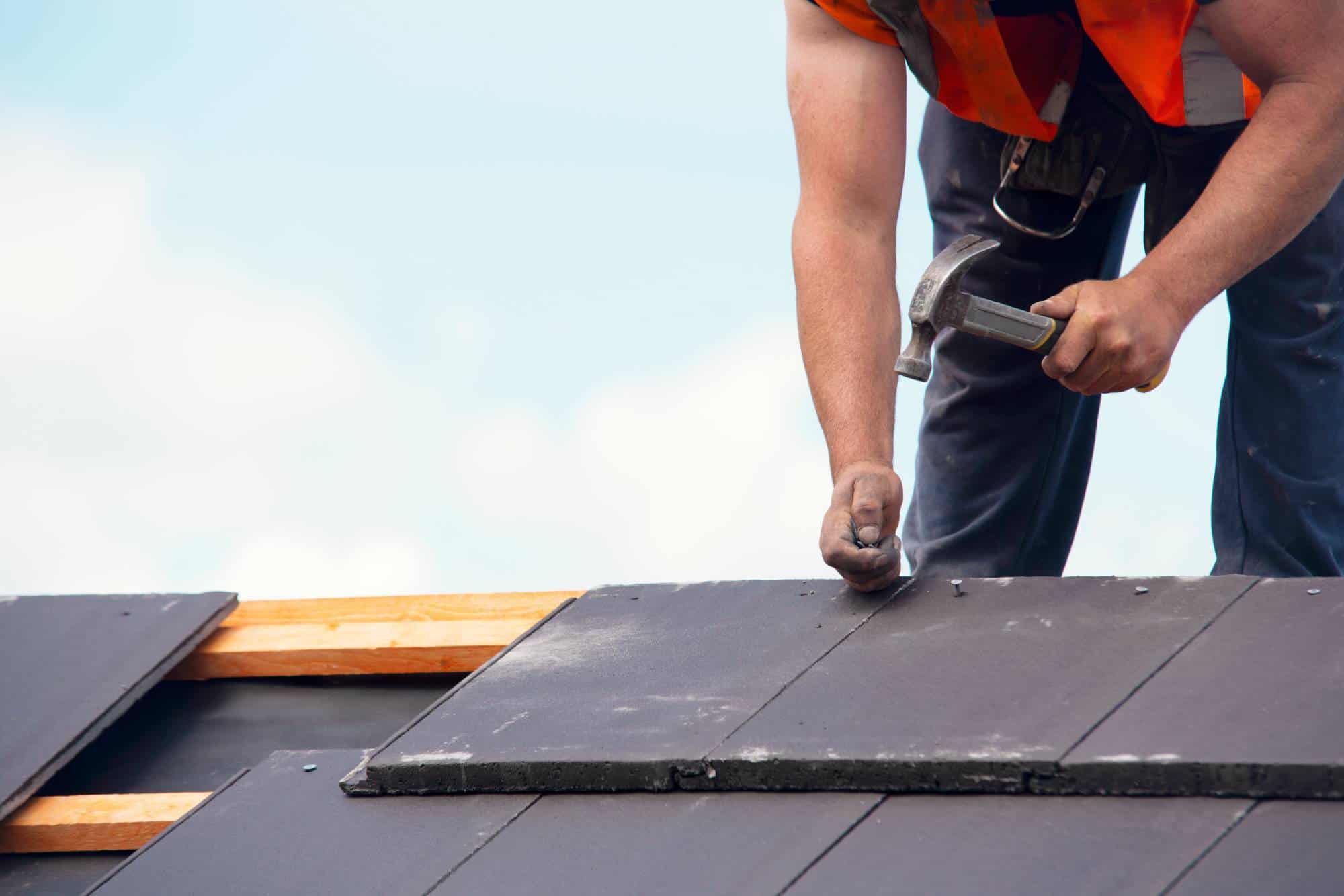
The repair work itself uses materials designed for Texas weather. We’re not just patching holes—we’re reinforcing vulnerable areas and addressing the root causes that led to the damage. When we’re done, we clean up completely and walk you through what we’ve accomplished.
Ready to get started?
Our roof repair services in Spring, TX cover everything from emergency leak fixes to complete storm damage restoration. We handle metal roofing, shingle repairs, flashing replacement, and structural damage from wind and hail.
Spring’s location in Harris County means dealing with weather that can shift from calm to destructive in minutes. Those March through May hail storms don’t just dent your gutters—they can compromise your roof’s ability to shed water properly.
We use impact-resistant materials when possible and techniques that account for the thermal expansion and contraction your roof experiences in Texas heat. Every repair is done with the understanding that your roof needs to handle not just this year’s storms, but many years of Texas weather ahead.
We prioritize emergency calls and typically respond within 24 hours, often sooner for urgent situations like active leaks. Emergency repairs focus on stopping immediate damage—securing the area, stopping water intrusion, and protecting your property until permanent repairs can be completed.
For active leaks during storms, we can often provide temporary weatherproofing the same day. Permanent repairs are scheduled as soon as weather conditions allow safe work on your roof.
Time matters with roof damage. Water doesn’t wait, and neither do we when your home is at risk.
We handle all storm-related damage common to the Spring area: hail damage to shingles and metal roofing, wind damage that lifts or tears roofing materials, and leak repairs from compromised flashing or damaged seams.
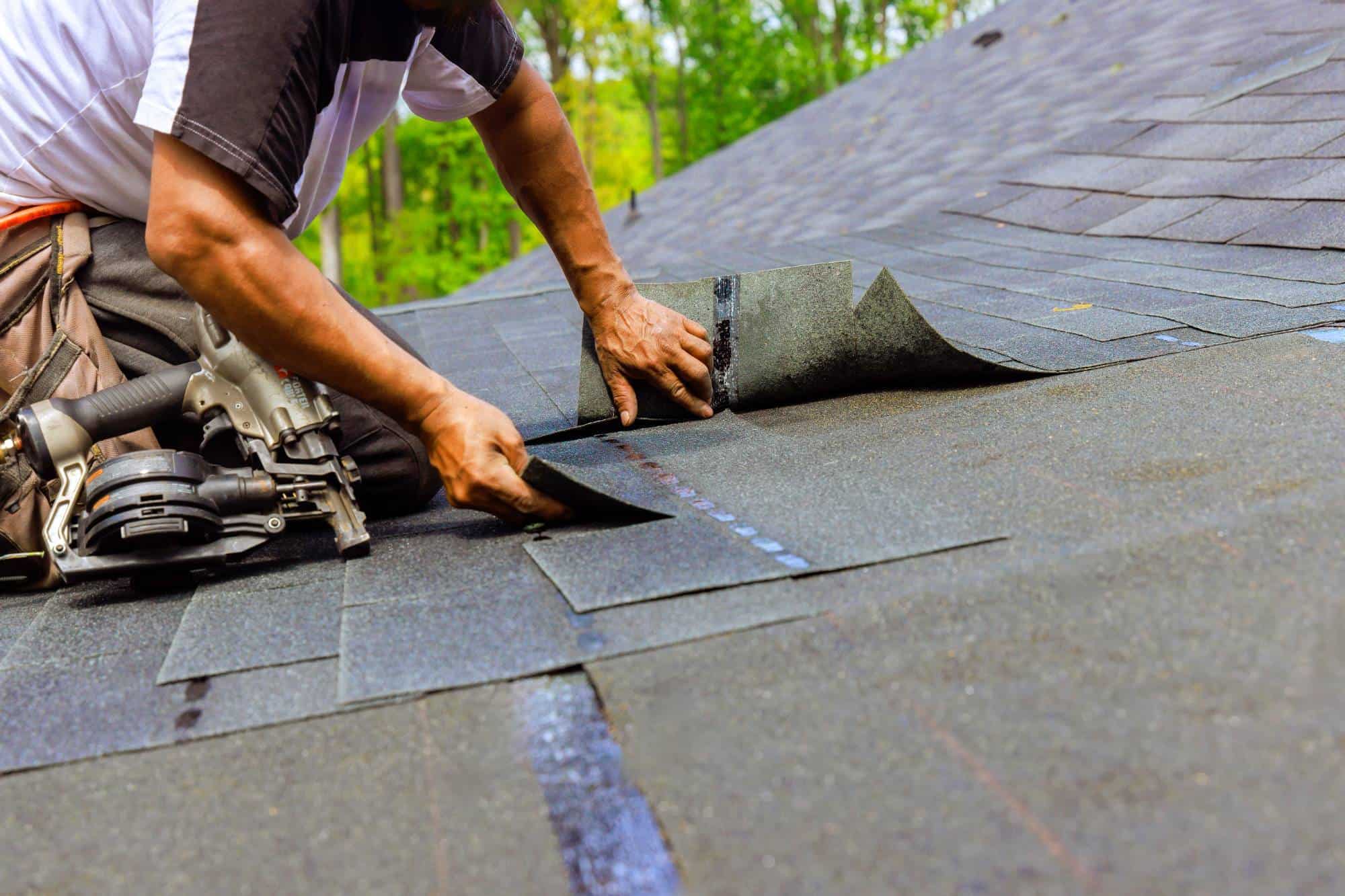
Our expertise includes metal roof repairs—fixing dents, replacing panels, and resealing seams that Texas weather can compromise over time. We also repair traditional shingle damage, from missing shingles to granule loss that reduces your roof’s protective capability.
Each repair addresses not just the visible damage, but underlying issues that Texas weather tends to create—like fastener loosening from thermal cycling and seam separation from wind stress.
We document everything thoroughly with photos and detailed reports that insurance companies need for claims processing. We can meet with your adjuster on-site to ensure all damage is properly identified and documented.
Many homeowners don’t realize that hail damage isn’t always obvious from the ground. We know what adjusters look for and can point out damage that might otherwise be missed—like compromised granules on shingles or subtle denting on metal roofing.
We provide detailed estimates that break down materials and labor, making the claims process smoother. While we can’t guarantee claim approval, proper documentation significantly improves your chances of getting the coverage you deserve.
Spring’s position in Harris County creates unique challenges—you get Gulf Coast humidity, sudden temperature swings, and you’re right in the path of the hail corridor that runs through central Texas. This combination is particularly hard on roofing materials.
The humidity accelerates certain types of deterioration, while the temperature swings cause expansion and contraction that can loosen fasteners and create stress points. Add frequent hail storms, and roofs here face challenges that roofs in other climates simply don’t encounter.
We use techniques and materials specifically chosen for these conditions. It’s not just about fixing what’s broken—it’s about reinforcing your roof to handle the specific stresses that Spring’s climate creates.
Quality repairs using appropriate materials should last 10-15 years or more, even in Texas weather. The key is using materials rated for impact resistance and thermal cycling, plus installation techniques that account for expansion and contraction.
Cheap repairs or inappropriate materials might last only a few years before failing again. We use materials specifically designed for Texas conditions—impact-resistant when possible, and always rated for the thermal stress your roof experiences here.
Regular maintenance extends repair life significantly. A roof that gets periodic inspection and minor maintenance will far outlast one that’s ignored until major problems develop.
Safety first—don’t climb on a damaged roof. Document what you can see from the ground with photos, and check your attic and ceilings for signs of water intrusion like stains or dripping.
If you have active leaks, place containers to catch water and move valuables away from affected areas. Contact us as soon as possible for emergency repairs—the sooner damage is addressed, the less chance of secondary problems like mold or structural damage.
Don’t wait for the next rain to see how bad it is. Storm damage often gets worse with time and weather exposure. What starts as a small problem can become major structural damage if left unaddressed.
Useful Links
Here are some general contractor-related links: