
Discover how Pasadena's humid Gulf Coast climate affects metal roofs and the proven methods we use to prevent costly rust damage.
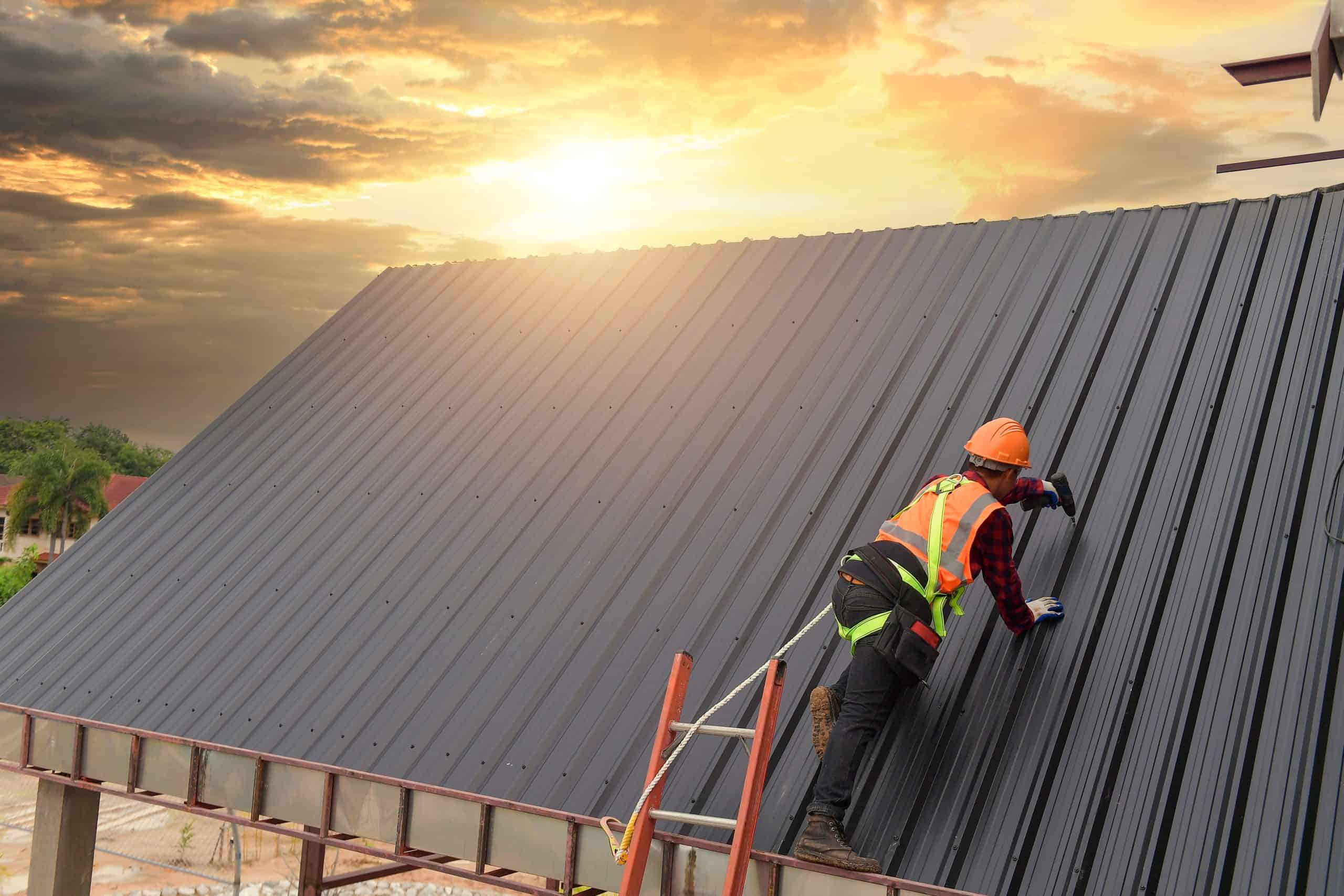
Summary:
Pasadena gets hit with a perfect storm for metal roof corrosion. We see an average of 53 inches of rain per year – well above the national average – plus humidity and salt air from nearby Galveston Bay.
The relentless sun exposure and occasional heavy rains that characterize our area quietly hasten the wear and tear of roofing materials. When you add in high humidity levels that accelerate the rusting process, your roof’s protective coatings work overtime just to keep up.
The Gulf Coast throws everything at your roof – and it’s not just the obvious storms you need to worry about. Exposure to moisture, pollutants, and environmental factors can wear down protective layers over time, with heavy rain, snow, and salty sea air breaking down protective coatings.
What makes Pasadena particularly challenging is the combination. The combination of high humidity, strong winds, and sudden thunderstorms can wear down even the most durable roofing materials. Your roof might look fine from the ground, but pollutants in rainwater can strip protective finishes, making zinc-rich primers and frequent inspections critical.
The real problem starts small. Once the material is scratched and the steel core is exposed, the metal will form red rust, and with galvanized metal, rust will continue to spread and eat away at the metal. In our climate, that spread happens faster than in drier areas.
But here’s what most homeowners don’t realize: in our hot and humid summers, moisture and heat in the ceiling create the perfect environment for mold and mildew when even small leaks develop. That’s why catching rust early isn’t just about your roof – it’s about your entire home’s health.
You might think rust is obvious, but in Pasadena’s climate, the early warning signs are more subtle than you’d expect. Look for signs of discoloration, peeling paint, or any exposed metal – especially after our frequent storms.
Frequent leaks after heavy rainstorms signal that persistent moisture intrusion is damaging your home’s interior and fostering mold and structural weakening. Visible warping or buckling from extended exposure to intense sunlight coupled with heat can cause materials to deform.
The tricky part is that damage from impact can result in water leaks and mold and is not always visible to the untrained eye. This is why we advise getting an inspection after any storm, even if the roof doesn’t look damaged.
Don’t wait for obvious rust spots. Schedule a roof inspection at least once a year, especially if you live in a harsh climate, as professionals can spot early signs of rust or damage that may not be visible from the ground. In Harris County, that yearly inspection could save you thousands in premature replacement costs.
Elevated energy bills also signal trouble – roofs that fail to reflect heat efficiently force your cooling systems to work overtime, inflating utility costs. If your AC seems to be running more than usual, your roof’s protective coating might be failing.
Want live answers?
Connect with a Arm Strong Gutters & Sheet Metal expert for fast, friendly support.
The best rust treatment is prevention – and in Pasadena’s challenging climate, that means being proactive. The only way to keep metal from rusting is to coat it with a rust-resistant material, and for many metals, a coating of zinc works well, applied as a layer or two of zinc primer on top of a clean metal roof..
Your choice of materials matters more here than in drier climates. Galvalume steel boasts superior corrosion resistance, ideal for locations prone to both sun exposure and humid conditions. This isn’t just marketing – it’s science that works in your favor.
If you’re choosing materials for a new roof or major repair, galvalume is your best friend in Harris County. The coating provides significant outdoor corrosion resistance and is projected to last about nine times longer than galvanized steel with an equivalent thickness of coating.
Here’s what makes galvalume special for our climate: it’s coated with an aluminum-zinc alloy (55% aluminum, 43.5% zinc, 1.5% silicon) that enhances oxidation resistance and durability. The aluminum-zinc coating protects the steel substrate by combining the sacrificial properties of zinc with the passive, long-term resistance provided by aluminum, forming a tough, stable oxide layer that resists corrosion even after minor surface damage.
The real advantage shows up over time. Galvalume coatings are especially effective in resisting uniform surface corrosion and pitting corrosion, consistently demonstrating two to four times the lifespan of standard galvanized steel under similar conditions.
But here’s the game-changer for Pasadena homeowners: galvalume is “self-healing,” meaning it eventually stops rust from spreading over the panel. Unlike galvanized steel, which isn’t self-healing and where edge creep rusting will only worsen over time, galvalume gives you a fighting chance against our humid conditions.
The typical lifespan of a galvalume roof ranges from 40 to 70 years depending on environmental exposure, installation quality, and maintenance – making it a smart long-term investment for Gulf Coast properties.
The right coating system can add decades to your roof’s life, but only if it’s matched to Pasadena’s specific challenges. Proven ways to prevent metal roof rusting include elastomeric, silicone, or acrylic coatings, each with its own advantages.
Elastomeric coatings or galvanized panels offer excellent defense and are especially effective in high-humidity, coastal, and freeze-thaw climates – exactly what we deal with here in Harris County.
Professional application matters more than the coating itself. The proper repair process involves cleaning thoroughly, sanding down to bare metal, applying rust converter, then priming and coating. All surfaces must be sound and clean, with all rust removed down to bright metal using mechanical methods like wire brush, sandpaper or steel wool, then primed with rust inhibitive primer.
Here’s where most DIY attempts fail: moisture trapped under a new layer of coating can cause further rust, so the area must be completely dry before applying new coatings. For large-scale rust issues, it’s best to call a professional who can safely clean the roof and ensure no patches are missed.
The maintenance schedule matters too. For high pitch roofs, virtually no maintenance is required, but low pitch roofs should get a fresh-water wash annually or semi-annually to remove debris. Other than that, the roof should last a very long time on its own.
Annual roof inspections are recommended, with more frequent checks in high-risk climates like ours. We recommend inspecting 1-4 times a year depending on environmental conditions and proximity to coastal areas, and always inspect after severe weather events.
Your metal roof can handle everything Pasadena’s climate throws at it – if you give it the right protection and maintenance. Preventing rust on a metal roof combines using the right materials, preparing surfaces properly, and adapting to environmental conditions. With the right approach and consistent maintenance, you can extend roof life by decades, reduce costly repairs, and maintain curb appeal.
The key is acting before small problems become expensive ones. Cost-effective spot-treatment rather than replacing panels works when rust hasn’t penetrated deeply, but only if you catch it early.
When you need professional help with metal roof repair, rust prevention, or galvalume maintenance in Pasadena, we atArm Strong Gutters & Sheet Metal understand the unique challenges of our Gulf Coast climate and have the expertise to keep your roof protecting your home for decades to come.
Article details:
Share:
Continue learning: