
Exploring whether gutter guards actually reduce cleaning frequency in Deer Park's challenging climate conditions and heavy rainfall patterns.
Summary:
Deer Park receives approximately 52 inches of rainfall annually – significantly more than most areas. This creates unique challenges that many gutter guard systems weren’t designed to handle.
Heavy downpours can overwhelm cheaper foam or brush guards, causing water to spill over the sides instead of flowing into your gutters. The humidity also accelerates debris breakdown, meaning organic matter doesn’t just sit on top of guards – it decomposes and can work its way through mesh systems.
Your local tree coverage matters too. While Deer Park doesn’t have as much debris as heavily wooded areas, the combination of moisture and organic matter creates conditions where even small amounts of debris can cause problems if your guard system isn’t properly designed for high water flow.
Not all gutter guards handle Deer Park’s weather the same way. Understanding how different systems perform in heavy rain helps you set realistic expectations.
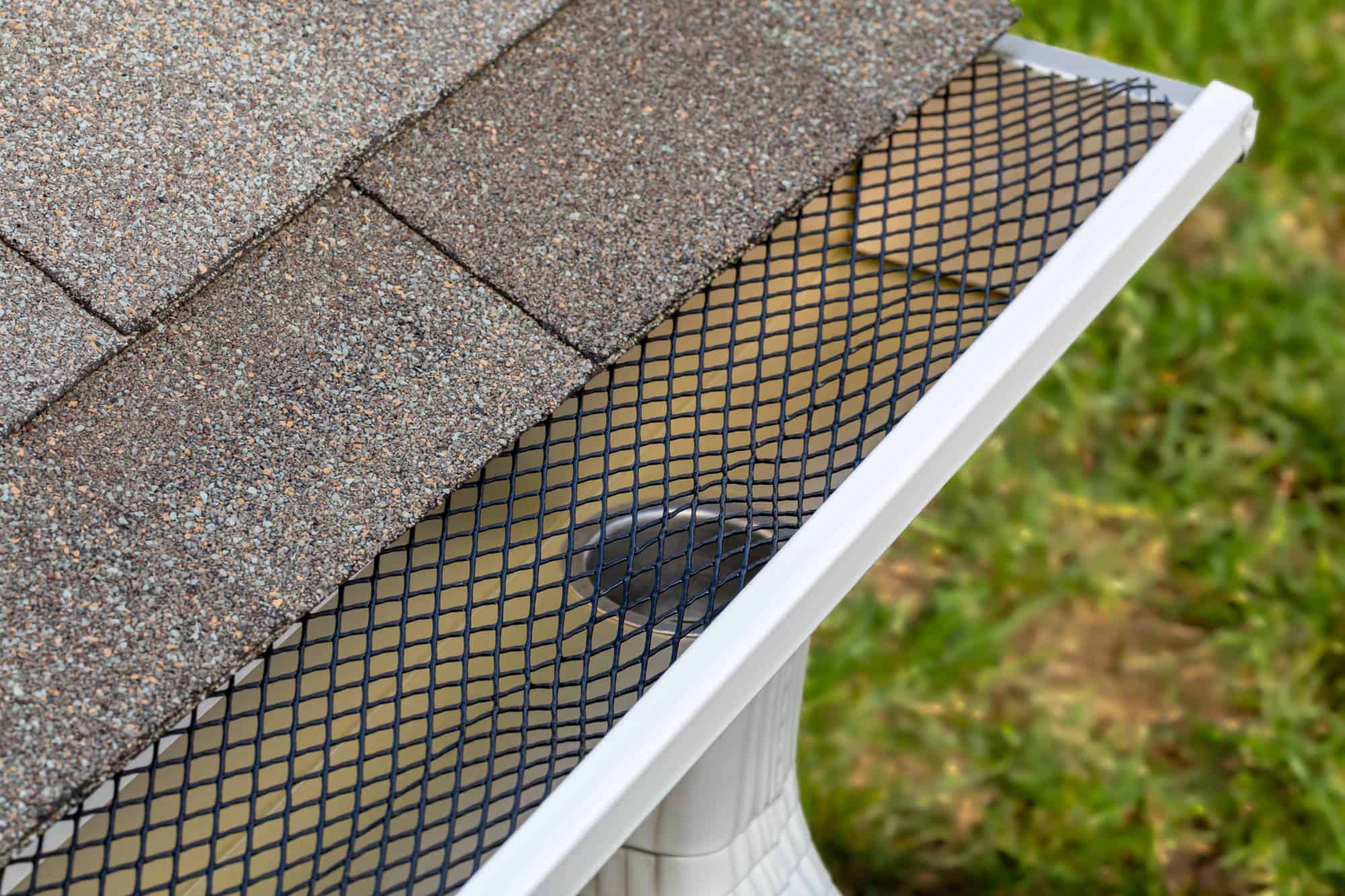
Micro-mesh guards with stainless steel construction typically handle our downpours well. The fine mesh filters debris while allowing high water volume to pass through. However, they require proper installation and pitch to prevent water from shooting over the front edge during intense storms.
Reverse curve guards work by directing water along a curved surface into the gutter while debris falls off. These perform well in heavy rain but can struggle if the curve becomes coated with fine debris or pollen – common in our humid climate.
Foam and brush guards are the most problematic in heavy rainfall areas like ours. Foam can become saturated and restrict water flow, while brush systems can trap debris that creates dams during storms. Both types may work in drier climates but aren’t ideal for Deer Park’s conditions.
Screen guards with larger openings handle water flow better but allow more debris through. The trade-off is more frequent cleaning but better performance during heavy rains. For many Deer Park homeowners, this balance works better than systems that promise zero maintenance but fail during storms.
Here’s the honest truth about maintenance reduction: even the best gutter guards don’t eliminate cleaning, but they can reduce it significantly when properly matched to local conditions.
Quality micro-mesh systems typically reduce cleaning frequency by about 70% in areas like Deer Park. Instead of cleaning twice yearly, you might clean every 18-24 months. The cleaning itself becomes easier too – mostly brushing debris off the top rather than scooping out heavy, wet leaves and sediment.
However, guards still require inspection and occasional maintenance. Small debris like roof granules, pollen, and fine organic matter can accumulate over time. In our humid climate, this buildup happens faster than in dry areas, so annual inspections are still recommended.
The key is setting realistic expectations. Guards that claim “never clean again” are overselling their capabilities. What you get is dramatically reduced maintenance, easier cleaning when it’s needed, and protection from the dangerous ladder work that injures thousands of homeowners annually.
Some homeowners find that even with reduced frequency, they prefer professional cleaning because accessing guards safely requires proper equipment and technique. The good news is that professional cleaning becomes much quicker and less expensive when guards are installed.
Want live answers?
Connect with a Arm Strong Gutters & Sheet Metal expert for fast, friendly support.
Different guard systems work better for different situations in our climate. Understanding the options helps you choose based on your specific needs rather than generic recommendations.
Stainless steel micro-mesh guards offer the best debris filtration and typically last 20+ years. They handle our heavy rainfall well and provide the most significant maintenance reduction. The higher upfront cost often pays off through longevity and performance.
Aluminum screen guards cost less initially but may need replacement sooner in our humid climate. They work well for homeowners who want some protection without the premium investment, accepting that cleaning frequency won’t drop as dramatically.
The choice between micro-mesh and screen guards often comes down to rainfall handling and maintenance preferences in Deer Park’s climate.
Micro-mesh guards excel at blocking even small debris like pine needles and roof grit. In our area, this means fewer clogs from the fine organic matter that accumulates during humid periods. The mesh is fine enough to filter most debris while allowing water to flow through efficiently during heavy rains.
However, micro-mesh requires professional installation to ensure proper water flow. Incorrect pitch or installation can cause water to overshoot during intense downpours. When properly installed, these systems provide the most significant maintenance reduction – often extending cleaning intervals to every two years or more.
Screen guards with larger openings are more forgiving during installation and handle high water volumes well. They’re less likely to cause overflow during extreme weather events. The trade-off is that more debris gets through, so cleaning frequency doesn’t drop as dramatically.
For Deer Park homeowners, screen guards might make sense if you have minimal tree coverage and want reliable performance during storms. If you’re surrounded by trees or want maximum maintenance reduction, micro-mesh typically provides better long-term value despite the higher initial cost.
The climate factor matters here too. Our humidity means that even small amounts of debris can break down and create problems over time. Micro-mesh’s superior filtration becomes more valuable in humid climates than in dry areas where debris stays intact and is easier to remove.
Surface tension guards and brush systems represent different approaches to gutter protection, each with specific performance characteristics in Deer Park’s climate.
Surface tension guards use a curved design to direct water into gutters while allowing debris to fall off the edge. In theory, they handle high water volumes well since there’s no mesh to restrict flow. However, performance depends heavily on maintaining a clean curve surface.
In our humid climate, fine debris and organic matter can coat the curve over time, reducing effectiveness. Pollen, roof granules, and decomposing organic matter create a film that can disrupt the surface tension effect. When this happens, water may shoot over the gutter instead of following the curve.
These systems typically require professional maintenance once or twice yearly to clean the curve surface. For homeowners seeking minimal maintenance, this defeats some of the purpose. However, they can be effective for homes with minimal tree coverage where the main concern is handling heavy rainfall rather than debris filtration.
Brush guards represent the most basic approach – essentially large pipe cleaners that sit in your gutters. While inexpensive and easy to install, they’re poorly suited to Deer Park’s conditions. The bristles trap debris that can form dams during heavy rains, and the organic matter breaks down in our humidity, creating messy clogs.
Most gutter professionals in the area don’t recommend brush systems for our climate. The initial savings get offset by more frequent cleaning needs and potential water damage from storm overflow. If budget is a primary concern, basic screen guards typically provide better value than brush systems.
The decision comes down to matching guard type to your specific situation and realistic expectations. Consider your home’s tree coverage, roof design, and your comfort level with ongoing maintenance.
For most Deer Park homes, quality micro-mesh or well-designed screen guards provide the best balance of performance and value. They significantly reduce maintenance while handling our heavy rainfall conditions. The key is professional installation and understanding that some maintenance will still be needed.
If you’re dealing with frequent clogs, safety concerns from ladder work, or simply want to reduce the hassle of gutter maintenance, guards can be a worthwhile investment. Just avoid systems that promise zero maintenance – they don’t exist in real-world conditions.
We can assess your specific situation and recommend guard systems that actually work in Harris County’s climate, not just what sounds good in marketing materials.
Article details:
Share:
Continue learning: