
Metal roofs in Harris County face unique challenges from extreme weather. Learn the common problems and professional repair solutions.
Summary:
The unpredictable weather, from scorching summers and torrential downpours to hailstorms and high winds, can take a toll on your metal roof over time. This can lead to issues like rust, dents, seam separation, and leaks, compromising your roof’s performance and appearance.
Leaks in metal roofs often result from a mix of long-term wear, installation issues, and extreme weather events that are all too familiar in Texas. Understanding these problems early means catching them before they turn into expensive structural damage.
The climate here doesn’t mess around. Temperature swings – hot afternoons and cool nights cause metal to expand and contract rapidly — a repetitive and forceful movement that stresses joints and fasteners, sometimes opening up gaps.
The seam, or side rib where two panels are connected, could be formed incorrectly or seamed improperly by the installer. Actually, when a standing seam metal roof has a leak, it is commonly at some type of flashing area.
Standing seam systems are supposed to be the gold standard for weatherproofing, but they’re not immune to problems. For metal roofs, the laps of your seams should be secure and flush. When they aren’t, the seams will open up, causing gaps or capillaries in your roof surface. Not only will open seam laps lead to a leaky metal roof, but they can also lead to structural damage, costing you a lot of money and headache in the long term.
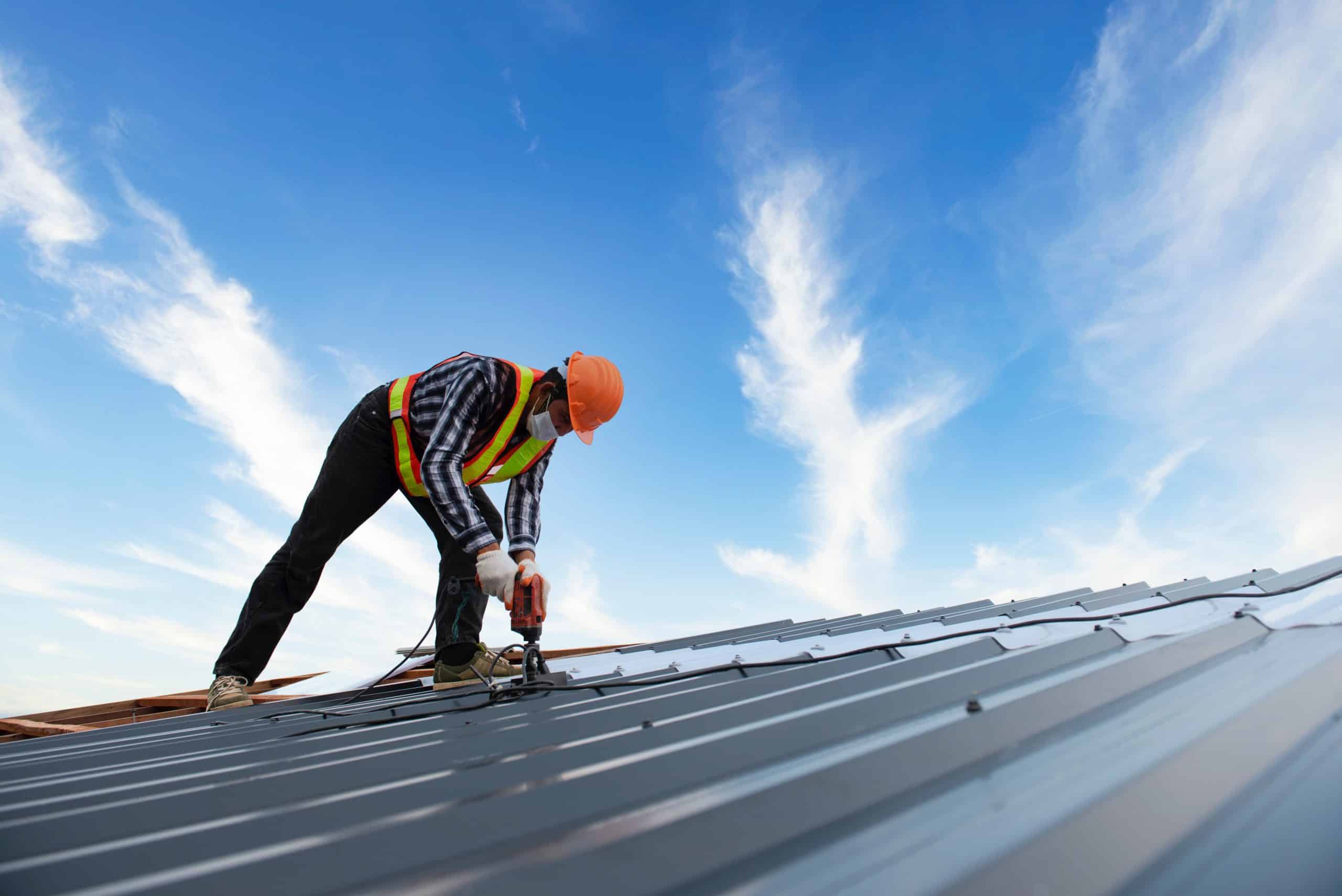
Professional repair involves more than just slapping some sealant on the problem area. If you have a standing seam metal roof, repairs might involve resealing or re-crimping seams that have opened up, or replacing entire metal roof panels if they are significantly damaged or corroded. The key is using compatible materials that can handle Harris County’s thermal expansion cycles.
Even in a standing seam system, the overlaps can be a place for water to penetrate. These seams must be sealed correctly upon installation to keep water out. However, over time the sealant can break down as the roof shifts. That’s why it’s essential to have regular roof inspections to ensure that your seams remain secure.
When contractors tackle seam repairs, they don’t just fix the immediate problem. They evaluate the entire seam run to identify potential failure points before they become active leaks. This preventive approach saves you from dealing with multiple repair calls during the next storm season.
Screws and clips hold metal panels in place. But as temperatures fluctuate, the panels shift slightly, which can loosen these fasteners. Once a screw lifts or falls out, it leaves an entry point for water. Strong winds only increase the stress on these attachment points.
This is where Harris County’s climate becomes a real problem. The typical lifespan of metal roof fasteners can be as long as 20 years. However, the weather extremes here can cause them to expire sooner. We have an excess of everything that weakens fastener strength: sunshine, wind, rain, and humidity!
Exposed fastening systems are more susceptible to leaks because of the tiny gaps created between the sealing washer of the fastener and the metal panel. These gaps occur if the screws are installed incorrectly or have loosened over time.
Professional fastener replacement isn’t as simple as driving in new screws. When such scenarios occur, your first instinct may be to buy the exact same screw as previously utilized. However, this would be the wrong approach. The screw would be unable to create its own threading, causing a dangerously loose connection. Therefore, when replacing a screw for metal roofing, seek a fastener that is one size wider than what was previously used in order to create new threads in the existing hole.
As you learned in the beginning, an exposed fastener metal roof’s lack of expansion capabilities causes pressure to wallow out the screws as the roof ages. Because of this, your roofing contractor will have to replace the screws with a size up every 5-10 years. Failing to do this will lead to roof leaks until the screws are changed out.
Quality contractors understand that fastener replacement is about more than just stopping leaks. We select fasteners with enhanced corrosion resistance and proper sealing washers designed for your specific metal type and local weather conditions.
Want live answers?
Connect with a Arm Strong Gutters & Sheet Metal expert for fast, friendly support.
Once the assessment is complete, selecting appropriate materials is a vital part of a successful metal roof repair. The specific type of metal roofing on your property—be it steel roofing, aluminum roofing, copper roofing, or zinc roofing—will dictate the necessary repair materials.
We’re skilled in addressing a wide range of issues, from minor leaks and fastener repairs to major panel replacements and seam sealing. We use industry-leading techniques and high-quality materials to restore your metal roof’s integrity and provide lasting protection.
The repair approach depends entirely on your roof type and the extent of damage. Professional contractors don’t use one-size-fits-all solutions because different metal roofing systems have different vulnerabilities and repair requirements.
Corrosion and rust are another sign that your metal roof might need to be repaired. Over time, exposure to the elements can cause corrosion and rusting, which can weaken the structure of your roof. If you notice any corrosion or rust on your roof, it’s important to have it repaired before it causes further damage.
Rust isn’t just unsightly—it’s structural weakness in progress. If the coating on your metal roof begins to peel, rust can eat away at it until there are holes, which allow water in and can even cause structural issues for the roof. If you see rust on your roof, take action right away by applying a rust inhibitor that can stop the rust from spreading. You should still call a roofer to come out and do a more extensive fix to replace the roofing panel, or potentially your entire roof.
Professional corrosion repair goes beyond surface treatment. Sometimes, rust treatment and the application of protective coatings are part of the metal roof repair to address corrosion and extend the roof’s life. Each technique is selected based on the specific requirements of your roof and the materials involved, aiming for the most sound and lasting resolution for your property in Harris County.
For example, copper roofing provides remarkable resistance to corrosion, which is a significant benefit in the humid climate of Harris County. Conversely, steel roofing is recognized for its robustness and is frequently chosen for structures in areas that might experience strong winds or hail. Aluminum roofing is lightweight and also resists corrosion well.
The repair process typically involves removing compromised sections, treating the underlying metal, and applying protective coatings designed for Harris County’s specific climate challenges. This isn’t a temporary patch job—it’s a restoration that can extend your roof’s life by decades when done correctly.
Harris County weather can be unpredictable, and storms can leave your commercial metal roof battered and bruised. From torrential downpours and high winds to hailstorms and even hurricanes, your roof can experience a range of damage.
After an intense hurricane season, we always recommend checking your fasteners to make sure they’ve held up well enough. In our climate, you may find yourself in need of replacements every 10-15 years.
Storm damage repair requires immediate attention and long-term planning. Should you find that your fasteners need to be switched out, it’s critical to get it done ASAP. Because the fasteners are the main thing holding your roof together, you could end up with a lot of damage if another heavy weather system hits before they’ve been replaced.
Professional storm damage assessment looks beyond obvious problems like punctures or loose panels. For a corrugated metal roof, common repairs could include patching punctures or holes with compatible metal and appropriate sealants, or tightening and replacing loose fasteners that are allowing water to seep in.
It includes activities like visually checking your roof a couple of times a year, especially after significant weather events common in Harris County. Look for debris such as leaves or branches, particularly in valleys or around chimneys, and arrange for its removal. Also, keep an eye on gutters and downspouts to make certain they are clear and allowing water to drain away from the metal roof panels and your foundation. Addressing small issues, like a loose piece of flashing or a small area of peeling sealant, promptly can prevent them from developing into larger, more costly problems down the line.
Emergency repairs focus on stopping immediate water infiltration while planning comprehensive restoration. This might involve temporary patches, tarp installation, or emergency sealing while materials are sourced for permanent repairs that match your existing system.
We realize the serious weather challenges Harris County experiences. To make sure your roof can withstand heavy rain, harsh sun, high humidity, and the occasional hurricane, we use materials and techniques that are well-suited for local conditions.
The key to metal roof longevity isn’t just quality installation—it’s understanding that maintenance and timely repairs are investments, not expenses. To get the most out of your metal roof repair and prolong the overall life of your metal roofing, consistent upkeep is very beneficial. A proactive approach to the care of your metal roofing helps maintain its condition after a metal roof repair.
Whether you’re dealing with standing seam leaks, corroded fasteners, or storm damage, professional repair restores more than just function—it protects your property value and gives you peace of mind during the next weather event. For reliable metal roof repair in Deer Park and throughout Harris County, Arm Strong Gutters & Sheet Metal combines local expertise with proven repair techniques that stand up to Texas weather.
Article details:
Share:
Continue learning: