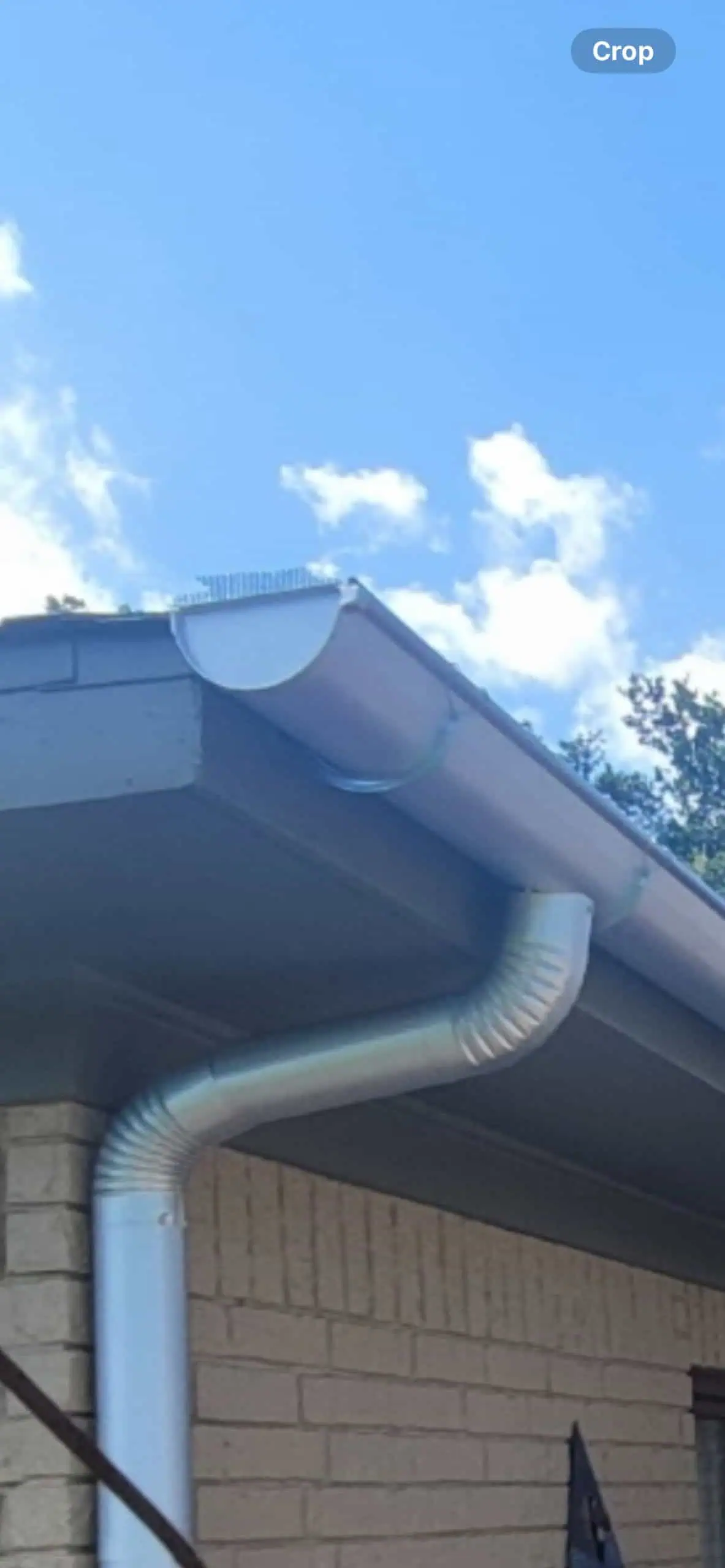
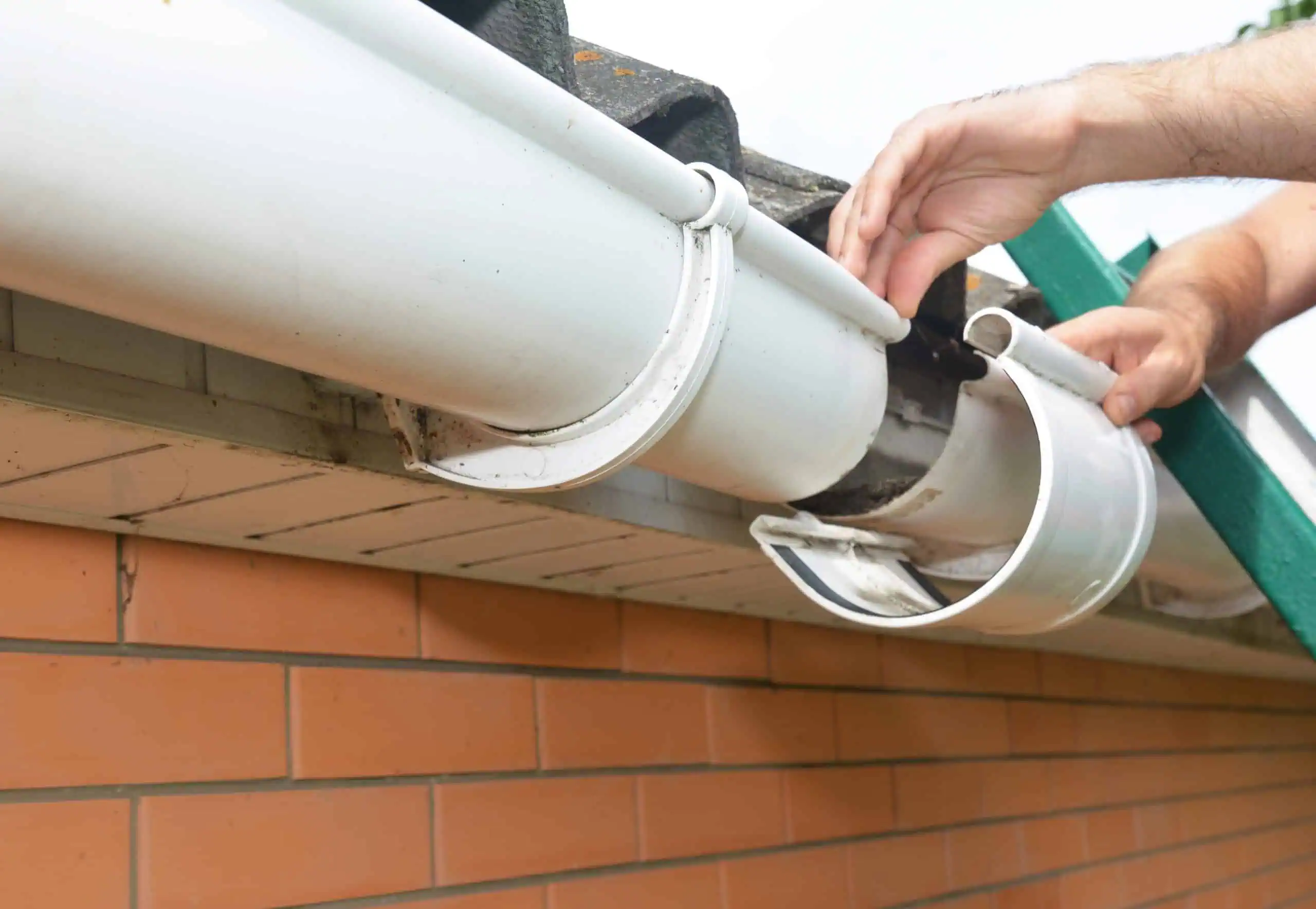
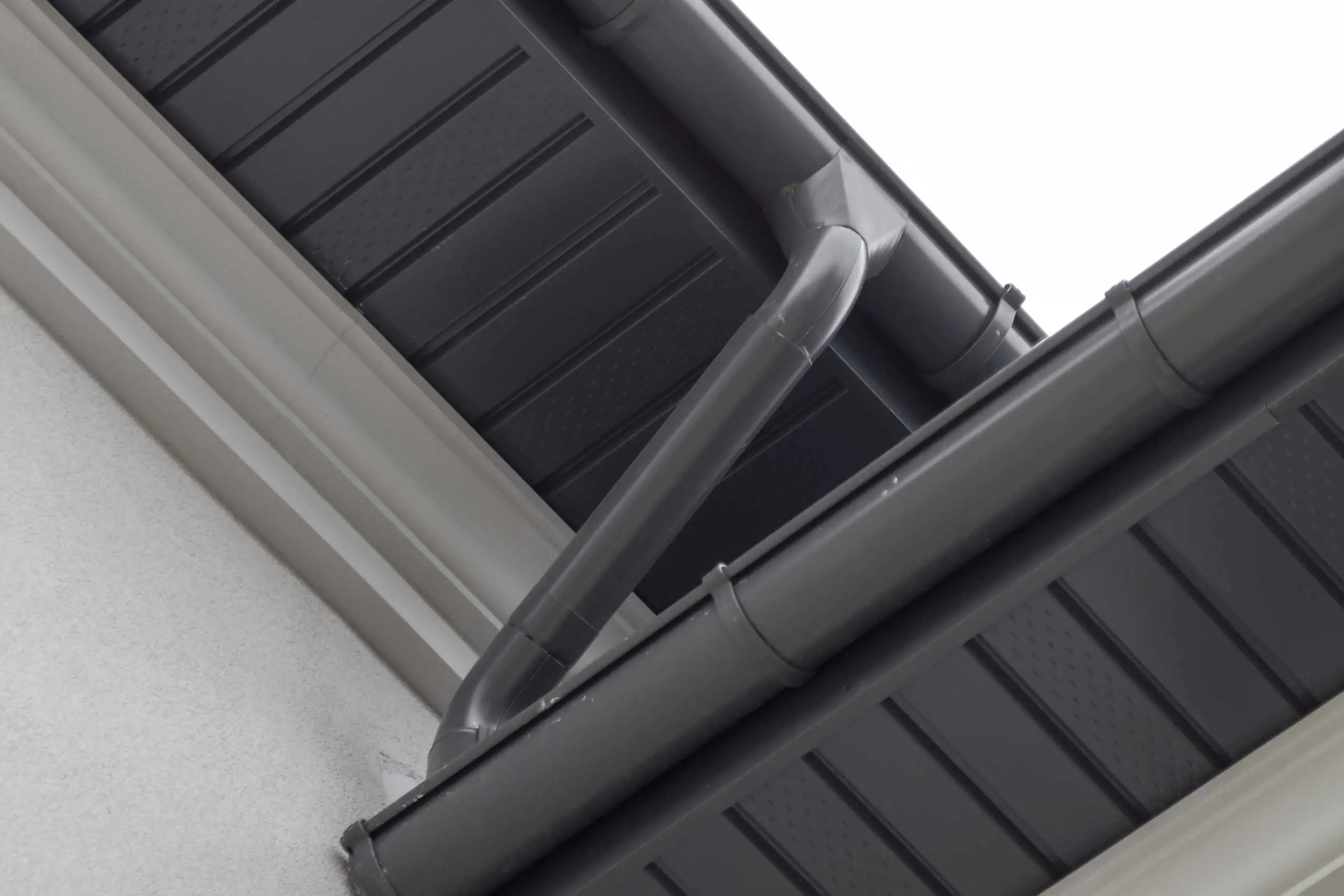
Professional flashing and coping caps prevent water damage that costs Pasadena homeowners thousands in repairs and structural issues.
Summary:
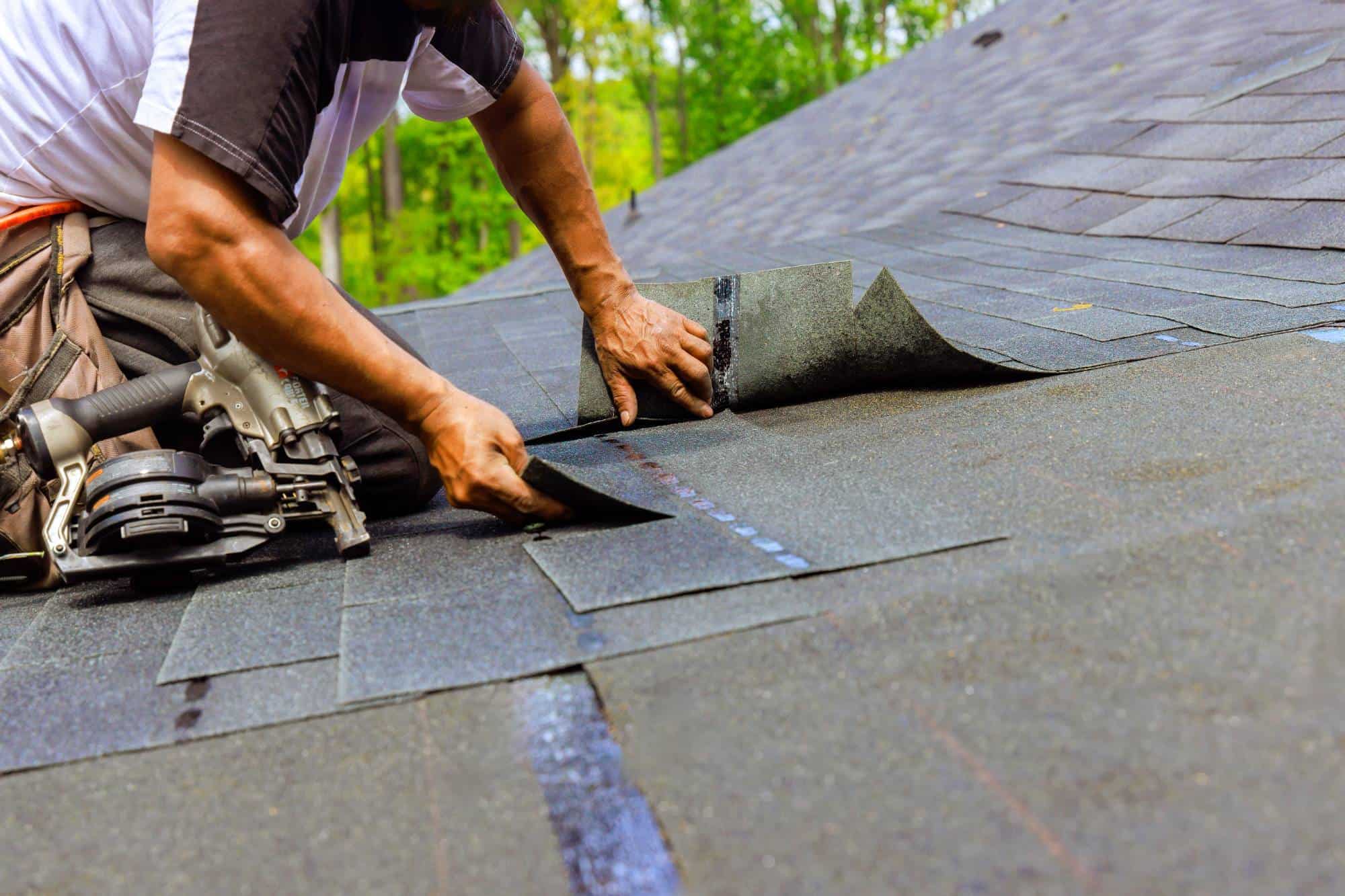
Water leaks typically arise after heavy rains or storms when water penetrates through damaged shingles, flashing, or vents, leading to significant damage including mold growth and compromised structural integrity. In Pasadena’s climate, this isn’t a possibility—it’s inevitable without proper protection.
Properly fabricated and installed sheet metal flashings are the heart and soul of any good roof installation, with in-house, state-of-the-art sheet metal facilities setting us apart. Custom-fabricated metal flashing is stronger and creates a watertight seal in comparison to pre-fabricated flashings, extending the life of metal roofing systems.
Professional flashing installation protects every vulnerable point where your roof meets walls, chimneys, vents, and other structures. These transition areas experience the most stress during storms and require precision fabrication to maintain their seal against Houston’s extreme weather patterns.
In Pasadena, roof systems face constant challenges from intense UV radiation, frequent high winds, and heavy debris, which can lead to clogged drains and punctures. Generic, pre-fabricated flashing simply can’t handle these localized stresses the way custom solutions can.
Our experienced sheet metal capabilities enable us to address even the most demanding design and installation requirements, with this unique facet allowing for solutions to the most challenging projects. When you choose custom fabrication, you’re getting flashing designed specifically for your roof’s angles, materials, and exposure patterns.
The difference becomes clear during severe weather. Houston experiences frequent thunderstorms with humidity and precipitation leading to water pooling, strong winds that lift shingles and loosen flashing, and intense heat that weakens materials over time. Custom flashing accounts for these specific challenges with proper gauge thickness, strategic placement, and secure attachment methods.
Professional fabrication also means using the right materials for Pasadena’s environment. Metal flashing can be created from galvanized or stainless steel, aluminum, zinc alloy, or copper, with the added benefit of being rust-resistant and customizable to match existing roof types or colors. We understand which materials perform best in your specific microclimate and building style.
The installation process matters just as much as the materials. When heavy winds gust across rooftops, flashing may eventually loosen, and insecure or missing flashing permits the development of leaks that may not become quickly apparent inside the dwelling. Professional installation ensures proper overlap, secure fastening, and integration with your existing roof system.
As a local business headquartered in Harris County since 2011 with a close-knit certified team that never uses subcontractors, we understand Pasadena’s unique challenges better than distant contractors. We’ve seen firsthand how different roof configurations perform during Gulf Coast storms and hurricane seasons.
Regular roof inspections are critical for Houston homeowners given the city’s extreme weather patterns, with professional contractors understanding specific challenges that local weather poses to roofs. We have this same intimate knowledge of how materials and installation techniques perform over time in your specific environment.
The fabrication process itself benefits from local expertise. Advanced and flexible shears, brake, roll formers and folders enable us to meet every challenge, with mobile fabrication capabilities when projects require on-site work, providing cost-effective, high-quality local solutions. This means faster turnaround times, better quality control, and the ability to make adjustments during installation.
We also understand building codes and permit requirements specific to Harris County and Pasadena. Building codes specify minimum requirements for flashing materials and installation, including corrosion-resistant metal thickness and proper overlap specifications. Working with us ensures compliance while optimizing performance for your specific situation.
The relationship doesn’t end at installation. Texas homeowners should give consideration to flashing following heavy winds and hail storms, with prompt inspections and repairs costing much less than fixing leaks that develop around exposed roof surfaces. We provide ongoing service and can respond quickly when storm damage occurs.
Want live answers?
Connect with a Arm Strong Gutters expert for fast, friendly support.
Metal coping caps are used at the top of parapet walls or where roofs meet vertical walls, covering the joint between roof and wall to prevent water from getting into vulnerable areas. In Pasadena’s storm-prone environment, these installations face extreme stress and require professional attention to detail.
Standard metal coping fabricated from galvanized steel, aluminum, or stainless steel is custom-bent to match parapet wall slopes and drip edges, with lifespans of 40-70 years when properly installed. The investment in quality materials and professional installation pays dividends during severe weather events.
Proper coping installation involves more than just covering the wall top. The system must account for thermal expansion, wind uplift, and water management while maintaining structural integrity and aesthetic appeal.
The top of coping should be sloped toward the roof to drain water, and because they have large areas exposed to rain and snow, special attention needs to be given to joints to prevent water infiltration, with underlayment material recommended under metal coping. These design details separate professional installations from amateur attempts.
On most parapet walls, coping runs along corners where different legs must meet through miters—coping details where two legs meet at 90° angles, cut and joined to ensure visual continuity and equal protection. Professional fabrication ensures these critical joints maintain their seal over decades of thermal cycling and weather exposure.
The attachment system requires careful engineering. High-quality miters should be mechanically fastened, sealed, and sometimes soldered to create waterproof seals, as poorly executed miters are one of the most common failure points in coping assemblies. This level of detail requires both expertise and the right equipment.
Expansion joints in metal coping are even more critical than usual because flat roofs experience wide temperature swings from direct sun exposure and less insulation than sloped roofs. Professional installers understand how to accommodate these movements without compromising the weatherproof seal.
Material selection also impacts long-term performance. Sheet metal resistant to chemicals, high temperatures, and harsh Texas weather conditions, compatible with roof components and custom-fabricated to fit specific shapes and sizes, ensures maximum durability and performance.
Common issues include loose or missing coping sections due to wind uplift, leaking joints at seams or corners when miters aren’t functioning properly, and corrosion on metal coping if coatings are damaged. These failures typically result from improper installation rather than material defects.
Like any part of your roof, coping can fail due to improper installation, poor maintenance, or simple bad luck, making regular inspections by licensed commercial roofing contractors essential 1-2 times per year. Professional installation dramatically reduces the likelihood of premature failure.
Wind uplift presents a particular challenge in Pasadena’s storm environment. Texas experiences strong winds, especially during severe storms and hurricane season, with high winds lifting and curling shingle edges and loosening or displacing roofing materials. Coping systems must be engineered to resist these forces without compromising their primary waterproofing function.
Water infiltration around poorly installed coping leads to expensive interior damage. For business owners and property managers, damaged roofs aren’t just maintenance issues—they’re critical threats to inventory, equipment, tenants, and bottom line, with every minute of downtime translating to lost revenue. Proper installation prevents these costly scenarios.
The integration between coping and other roof systems requires professional coordination. Membrane systems must integrate with coping, drainage must be designed with scuppers and roof drains to prevent ponding at parapet edges, and coping serves as the flat roof’s first line of defense against leaks and structural damage. This level of system integration requires experienced professionals.
Texas leads the nation in wind and hail damage claims, with residents filing almost 50,000 claims in 2012 alone and experiencing 1,243 hailstorms from 2012 to 2021. Your roof’s flashing and coping systems stand between your property and these relentless forces.
What makes Texas hail storms particularly challenging is that damage isn’t always immediately apparent, with many property owners finding leaks and structural problems months or years after hail events when insurance claims become more difficult to process. Professional installation and regular maintenance prevent these delayed discoveries.
The choice between generic solutions and professional fabrication isn’t just about immediate cost—it’s about long-term value. We use only the best materials and craftsmanship to protect your investment, ensuring gutters function effectively no matter the weather, with dependable service and long-lasting results. When you need expert flashing and coping cap work in Pasadena, TX, contact Armstrong Gutters & Sheet Metal for solutions that protect your investment for decades to come.
Article details:
Share:
Continue learning: