
Learn about complex gutter issues that go beyond basic cleaning - from slope problems to underground drainage failures.
Summary:
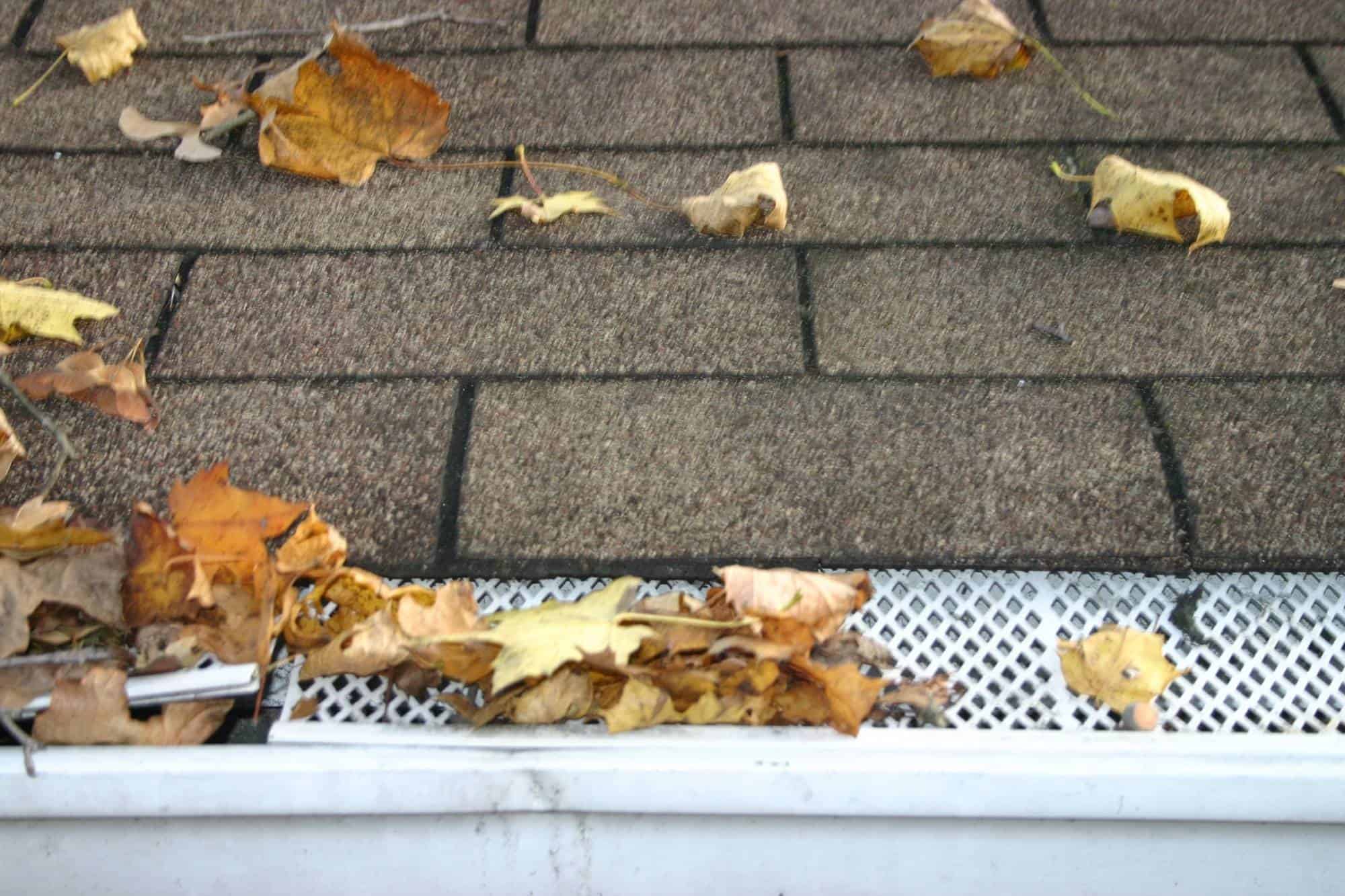
Your gutters aren’t just hanging there to catch water – they’re engineered to move it efficiently away from your home. When that slope is wrong, everything breaks down. Water sits where it shouldn’t, creating weight that your brackets and fascia boards weren’t designed to handle.
Most homeowners don’t realize their gutters have lost their proper pitch until damage is already occurring. The signs are subtle at first: water marks on exterior walls, slight sagging in certain sections, or gutters that seem to overflow in spots during moderate rain.
When gutters can’t drain properly, the extra weight doesn’t just stress the gutters themselves – it pulls on every connection point. The brackets start to loosen. The fascia boards begin to bow under constant pressure. What started as a minor slope issue becomes a cascade of structural problems.
The water that can’t flow to downspouts has to go somewhere. It typically overflows directly onto the fascia board, soaking the wood repeatedly until rot sets in. This isn’t just cosmetic damage – wet fascia boards lose their structural integrity, compromising the entire gutter system’s attachment to your home.
In Harris County’s climate, where we see intense rainfall followed by hot, humid conditions, this cycle of soaking and drying accelerates wood deterioration. The expansion and contraction weaken the wood fibers, making them more susceptible to insect damage and further water intrusion.
The fix isn’t just adjusting the slope – it often requires replacing damaged brackets, repairing or replacing compromised fascia sections, and ensuring proper drip edge installation to prevent future water infiltration behind the gutter system.
Standing water in your gutters after rain is the most obvious sign of slope problems, but it’s not the only one. Look for water stains or discoloration on your home’s exterior walls, particularly near gutter seams or corners. These stains indicate water is escaping the gutter system instead of flowing toward downspouts.
Pay attention to how your gutters sound during rainfall. Properly sloped gutters create a consistent flow sound as water moves toward downspouts. If you hear gurgling, splashing, or irregular water sounds, it suggests water is pooling or fighting against improper slope.
Check your foundation and landscaping after storms. If water consistently pools in the same areas near your home, your gutters aren’t directing water far enough away. This often indicates both slope problems and inadequate downspout placement or extension.
Inside your home, look for signs of moisture infiltration near exterior walls, particularly in basements or crawl spaces. Improper gutter drainage can allow water to seep through foundation walls, creating conditions for mold growth and structural damage that’s expensive to remediate. Call us today to get your gutter cleaning and learn more about our other services.
We use specialized tools to measure and correct slope issues, ensuring water flows at the optimal rate – fast enough to prevent debris buildup, but controlled enough to prevent system overflow during heavy rains.
Want live answers?
Connect with a Arm Strong Gutters & Sheet Metal expert for fast, friendly support.
Your gutter system is only as effective as where it sends the water. Underground drainage problems create a hidden threat that can undermine your entire property’s stability. These issues often develop gradually, making them difficult to detect until significant damage occurs.
French drains, catch basins, and underground piping systems handle the water your gutters collect, but they’re vulnerable to blockages, damage, and poor installation. When these systems fail, water has nowhere to go except back toward your foundation.
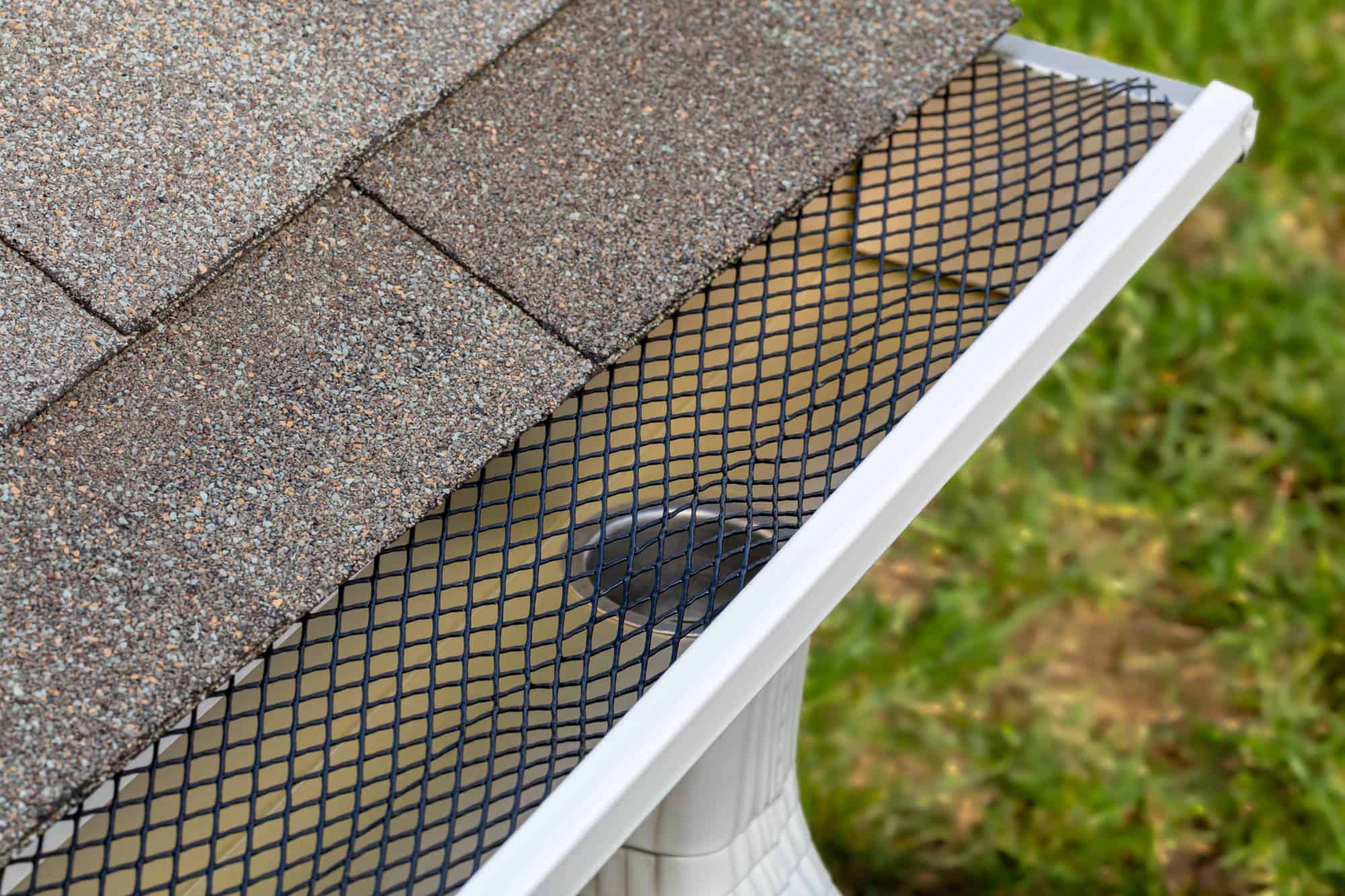
Underground drainage blockages force water to find alternative paths, often directly against your foundation walls. In Harris County’s clay soil, this creates a particularly dangerous situation. Clay expands dramatically when wet and contracts as it dries, creating tremendous pressure against foundation walls.
This expansion and contraction cycle doesn’t just happen once – it repeats with every rain event. Over time, this constant pressure creates foundation cracks, basement leaks, and structural settlement that can cost tens of thousands of dollars to repair.
The problem compounds because blocked underground drainage often isn’t visible until water starts surfacing in your yard or basement. By then, the soil around your foundation has already been compromised, and the damage is often extensive.
Tree roots are a common culprit in underground drainage failures. They seek out moisture and can infiltrate even small gaps in drainage pipes, eventually blocking entire systems. In Houston’s climate, where trees grow rapidly and root systems expand aggressively, this is a persistent threat.
We use specialized equipment to locate blockages and assess the condition of underground drainage components. Video inspection tools can reveal root intrusion, pipe collapse, or debris accumulation that’s invisible from the surface.
Your gutters and underground drainage must work as an integrated system. When surface water collection fails to connect properly with underground disposal, you get the worst of both worlds – water that can’t escape your property and systems that can’t handle the volume they receive.
Catch basins and area drains serve as critical connection points between your gutter downspouts and underground drainage networks. When these components fail or become disconnected, water backs up into your gutter system, creating overflow and pressure that damages both surface and underground components.
Proper grading around your home ensures surface water flows toward collection points rather than pooling against your foundation. Over time, settling, landscaping changes, and erosion can alter this grading, creating low spots where water accumulates and overwhelms your drainage capacity.
The solution often requires coordinating surface improvements with underground system repairs. This might involve regrading areas around your home, installing additional catch basins, or upgrading underground piping to handle increased water volume during Harris County’s intense storm events.
We understand how these systems interact and can design solutions that address both immediate water management needs and long-term property protection. We consider factors like soil type, local rainfall patterns, and your property’s unique topography to create effective, lasting solutions.
Advanced gutter and drainage problems don’t announce themselves with obvious signs. They develop quietly, creating structural threats that can cost thousands to repair if left unchecked. Understanding these hidden issues helps you protect your investment before minor problems become major disasters.
The key is professional assessment that looks beyond surface symptoms to identify underlying causes. Whether it’s correcting gutter slope, clearing underground blockages, or repairing compromised fascia and soffit, addressing these issues promptly prevents escalation into costly structural damage.
Don’t wait for water damage to force your hand. If you’re experiencing drainage issues around your Harris County property, contact Armstrong Gutters & Sheet Metal for a comprehensive evaluation of your gutter and drainage systems.
Article details:
Share:
Continue learning: