
Learn the critical warning signs of commercial metal roof damage and proven protection strategies for Pasadena business owners.
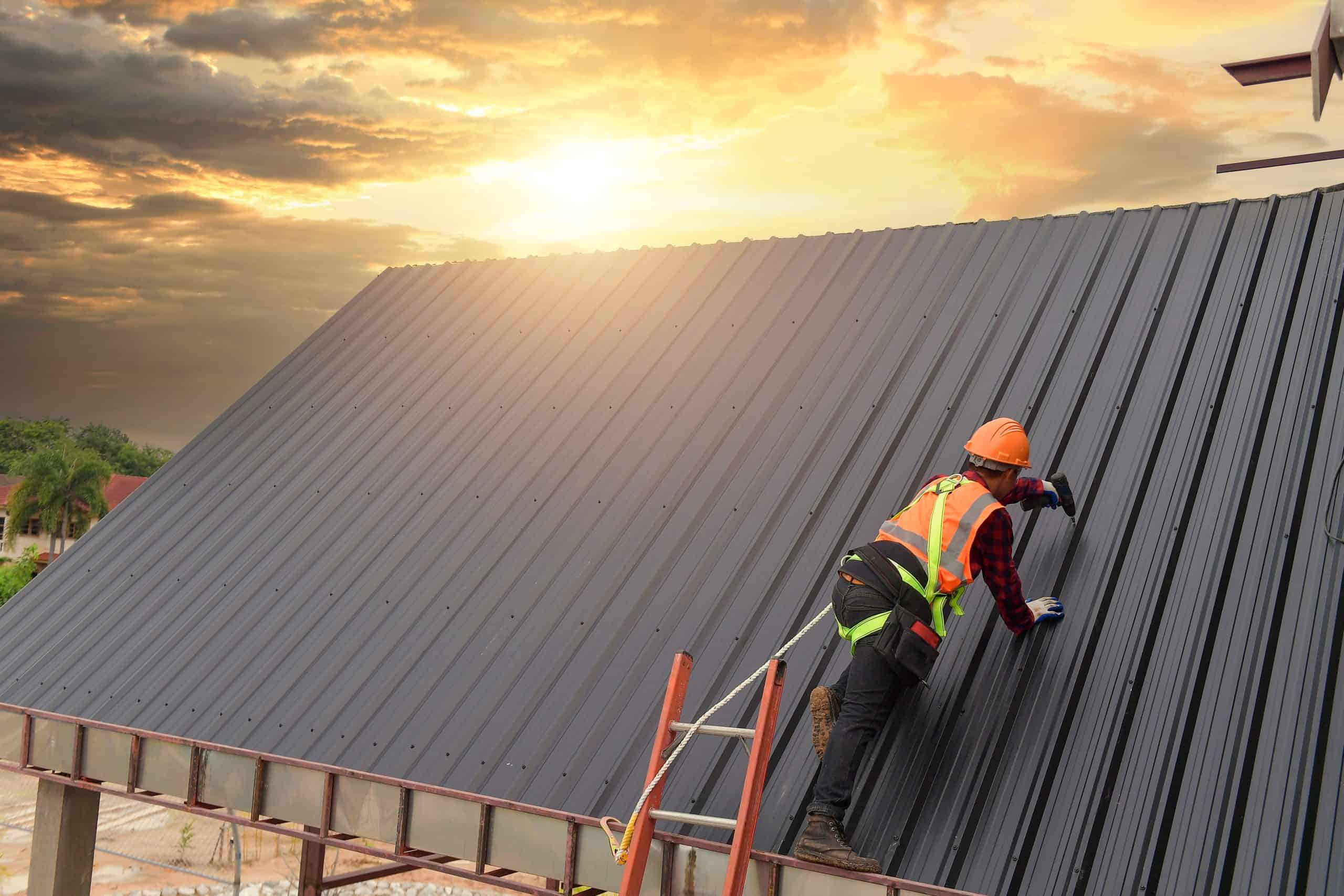
Summary:
Texas weather doesn’t play favorites with commercial properties. Your metal roof endures temperature swings that cause expansion and contraction, weakening seams and fasteners over time.
Hail storms pose an immediate threat, denting panels and compromising protective coatings that prevent rust. Even without visible damage, these impacts can create entry points for moisture that lead to bigger problems later.
The combination of intense UV radiation and humidity accelerates corrosion faster than you might expect. What starts as minor discoloration can quickly spread if left untreated.
Hail damage isn’t always obvious from ground level, but it creates serious long-term risks for your commercial property. Large hailstones leave dents that trap water and debris, creating perfect conditions for rust to develop.
The protective coating on your metal panels acts like armor against corrosion. When hail cracks or chips this coating, exposed metal begins oxidizing immediately. You might not see rust for months, but the damage process starts right after impact.
Dented areas also disrupt proper water drainage across your roof surface. Water pools in these low spots instead of flowing toward gutters and drains. This standing water accelerates deterioration and can eventually penetrate through seams or fastener holes.
Even small dents weaken the structural integrity of individual panels. During high winds, these compromised sections become vulnerable to lifting or tearing. What began as cosmetic damage from a hail storm can evolve into a major structural problem during the next severe weather event.
Professional inspection after any significant hail event helps identify damage before it becomes expensive. Many business owners wait until they see obvious problems, but by then, secondary damage to insulation, structural components, and interior spaces may have already occurred.
Metal expands and contracts with temperature changes, and in Texas, those changes can be dramatic. Your commercial roof might experience a 40-degree temperature swing between early morning and mid-afternoon during summer months.
This constant movement stresses fasteners, seams, and panel connections. Screws work loose over time, creating gaps where water can penetrate. The rubber washers that seal fastener holes deteriorate from UV exposure and temperature cycling, losing their ability to prevent leaks.
Standing seam metal roofs face particular challenges with thermal movement. The seams that connect panels must accommodate expansion while maintaining weathertight seals. When this system fails, water finds its way into the building envelope.
You’ll often notice the first signs of thermal stress around roof penetrations like HVAC units, vents, and skylights. These areas experience concentrated stress as the roof moves around fixed objects. Flashing separates from surfaces, sealants crack, and gaps develop.
Loose fasteners create a cascade effect across your roof system. As some fasteners fail, adjacent ones bear additional load and stress. This accelerates failure throughout the affected area. Wind uplift during storms can exploit these weak points, potentially causing catastrophic panel loss.
Regular inspection focuses on fastener condition and thermal movement accommodation. Catching loose screws and deteriorated seals early prevents water intrusion and maintains your roof’s structural integrity during severe weather events.
Want live answers?
Connect with a Arm Strong Gutters & Sheet Metal expert for fast, friendly support.
Rust and corrosion represent serious threats to your commercial metal roof’s longevity and your business operations. Once corrosion begins, it spreads rapidly in Texas’s humid climate, weakening structural components and creating leak points.
Water intrusion from corroded areas damages insulation, ceiling systems, and valuable equipment or inventory below. The cost of interior repairs often exceeds the original roof repair expense.
Structural deterioration happens gradually, then suddenly. Regular monitoring helps identify problem areas before they compromise your building’s integrity or force emergency shutdowns.

Corrosion rarely appears overnight, but recognizing early warning signs protects your investment and prevents costly emergency roof repairs. Discoloration around fasteners often signals the beginning of rust development, especially where dissimilar metals contact each other.
Water stains on interior ceilings indicate active leaks, but by this point, significant damage may already exist within your roof system. The visible stain represents just a fraction of the affected area. Insulation becomes saturated, structural components weaken, and mold growth becomes a concern.
Red or brown streaking down exterior walls shows rust migration from roof components. This visible evidence means corrosion has progressed beyond surface level and requires immediate professional attention. The longer these stains remain, the more extensive the underlying damage becomes.
Loose or missing panels create obvious vulnerability, but subtle panel movement during wind events also indicates fastener failure or structural weakness. Panels should remain firmly attached and aligned even during moderate weather conditions.
Ponding water on your roof surface after storms suggests drainage problems that accelerate corrosion. Flat or low-slope areas that don’t drain within 24-48 hours create ideal conditions for rust development and membrane deterioration.
Professional inspection identifies corrosion in its early stages when repair costs remain manageable. Thermal imaging reveals moisture intrusion and insulation problems not visible during standard visual inspection, providing a complete picture of your roof’s condition.
Postponing metal roof repairs creates a domino effect of escalating problems that impact every aspect of your business operations. A small leak that costs a few hundred dollars to fix today can cause thousands in damage if water reaches electrical systems, inventory, or sensitive equipment.
Business interruption costs often exceed direct repair expenses. When roof problems force you to relocate operations, close temporarily, or work around active leaks, productivity suffers and customer confidence erodes. Emergency repairs during business hours cost significantly more than scheduled maintenance.
Insurance complications add another layer of expense to delayed repairs. Carriers expect property owners to maintain their buildings properly. Neglecting obvious problems can result in claim denials, higher premiums, or policy cancellation when you need coverage most.
Tenant satisfaction directly affects your bottom line in multi-tenant properties. Roof leaks create uncomfortable working conditions, damage tenant property, and often trigger early lease terminations or rent reductions. The cost of finding and preparing space for replacement tenants adds up quickly.
Energy efficiency suffers when roof integrity becomes compromised. Air leaks through damaged areas force HVAC systems to work harder, increasing utility costs month after month. What seems like a minor roof problem can add hundreds to your energy bills over time.
Structural damage represents the most serious consequence of deferred maintenance. When water penetrates roof decking, support beams, or wall systems, repairs require extensive reconstruction rather than simple roof fixes. These projects often necessitate partial building evacuation and can take weeks to complete properly.
Your commercial metal roof protects more than just your building—it safeguards your business operations, employee safety, and financial investment. Understanding common repair issues helps you take action before minor problems become major disasters.
Regular professional inspection and prompt repair save money while maintaining the reliable protection your business depends on. The cost of prevention always beats the price of emergency restoration.
When you need experienced commercial metal roof repair in Pasadena, we combine local expertise with proven solutions that keep your business protected against Texas weather challenges.
Article details:
Share:
Continue learning: