
Your complete guide to assessing gutter and roof damage after Texas storms, plus when professional help is essential.
Summary:
Before you even think about climbing a ladder, you need to make sure your property is safe to inspect. Walk around your home and look for obvious hazards like downed power lines, broken glass, or structural damage that could pose immediate danger.
Check for standing water around your foundation or in your yard. This isn’t just about muddy shoes—pooling water can indicate drainage problems that need immediate attention. If you see water backing up against your home’s foundation, your gutters might already be compromised.
Document everything with photos from ground level. Your insurance company will want this evidence, and it helps you track what’s normal versus what’s new damage.
You don’t need to get on your roof to spot serious gutter problems. Start by walking the perimeter of your home and looking up at your gutter system. You’re checking for obvious signs like sagging sections, gutters pulling away from the house, or visible dents and damage.
Look for water stains on your siding or foundation. These dark streaks often indicate that water has been overflowing from damaged or clogged gutters. Fresh stains after a storm are red flags that your drainage system isn’t working properly.
Check your downspouts too. Are they still securely attached? Do you see any obvious bends or damage? Downspouts that have been knocked loose or damaged can’t properly channel water away from your foundation, which means trouble ahead.
Don’t forget to look in your gutters for debris, but also for something more telling—shingle granules. Those small, sand-like particles in your gutters are often the first sign of roof damage. A few granules are normal, but if you’re seeing piles of them, your roof took a beating.
Your roof might look fine from the ground, but storms can cause damage that’s not immediately obvious. Look for missing or damaged shingles—they might be scattered around your yard or hanging loose from the roof edge.
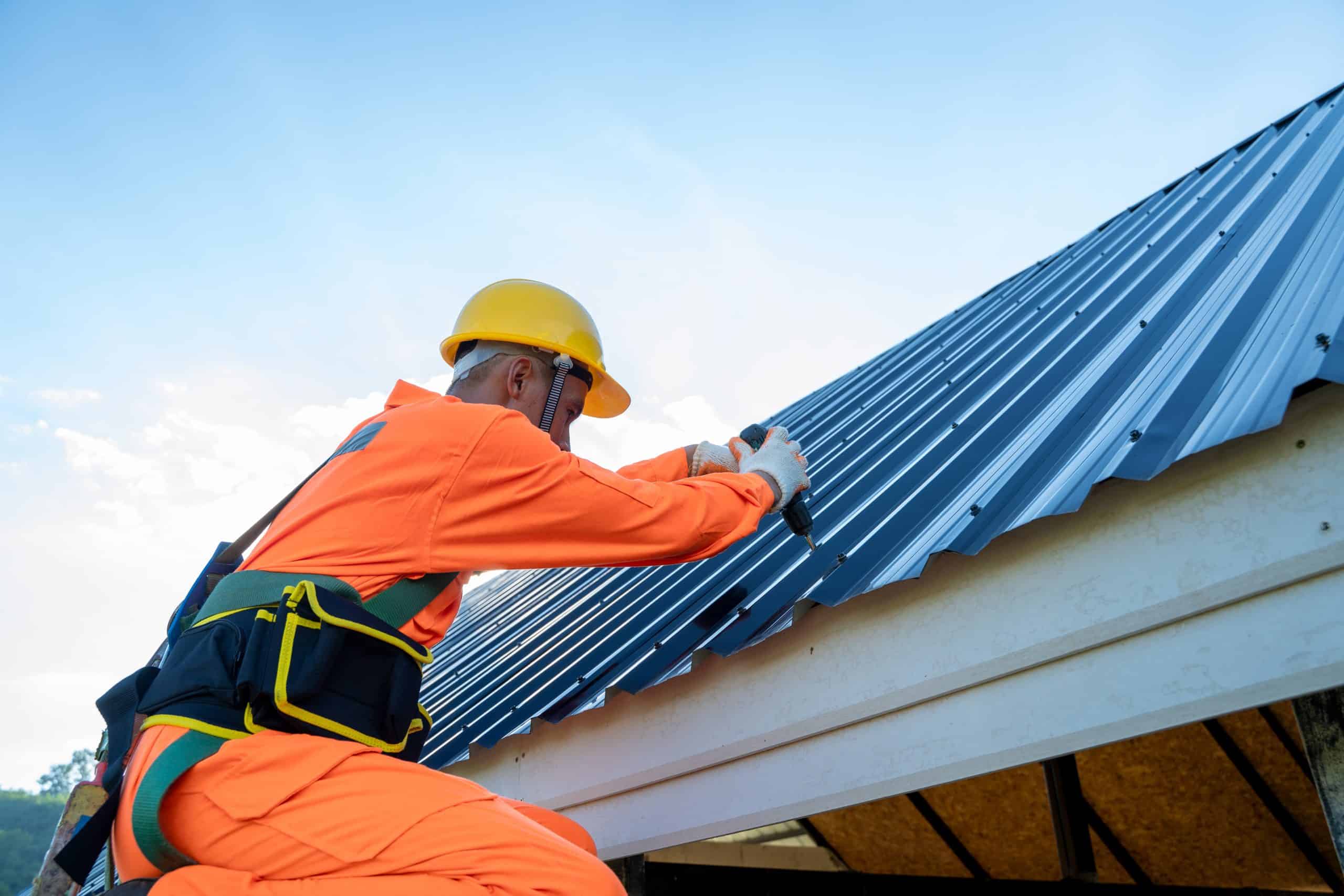
Check for any visible dents or holes in your material while roof repair . Hail damage often shows up as small circular dents, while wind damage might appear as lifted or curled shingle edges. Even damage that looks minor can let water into your home, causing problems that get worse over time.
Pay attention to your roof’s flashing—the metal strips around chimneys, vents, and roof edges. Storm damage to flashing is common and can lead to serious leaks if not addressed quickly. If you see bent, loose, or missing flashing, that’s a priority repair.
Look at your roof’s overall shape. Does anything look different than before the storm? Sagging areas, uneven lines, or sections that appear to be sitting lower than they should could indicate structural damage that needs immediate professional attention.
Want live answers?
Connect with a Arm Strong Gutters & Sheet Metal expert for fast, friendly support.
Some damage is obvious, but the most expensive problems are often the ones you can’t see from the ground. If you noticed any of the warning signs mentioned above, it’s time to call in professionals who can safely assess your entire system.
Professional inspectors have the training and equipment to spot problems you might miss. We can identify subtle signs of damage that could lead to major issues down the road. More importantly, we can do this safely without putting you at risk.
Don’t wait if you’re seeing active leaks, water stains inside your home, or obvious structural damage. These problems get worse quickly, especially with more rain in the forecast.

Professional gutter and roof inspectors go beyond what you can see from the ground. We’ll check your roof’s structural integrity, looking for loose or damaged decking, compromised support beams, and subtle signs of water infiltration.
For gutters, we’ll assess not just visible damage but also proper slope and drainage. Gutters that look fine might not be draining correctly, which can cause water to pool and create bigger problems. We’ll also check all the connection points, seals, and mounting hardware that keep your gutter system working properly.
We’ll document everything with detailed photos and measurements. This documentation is crucial for insurance claims and helps you understand exactly what needs to be repaired versus what can wait.
Professional inspectors also understand local building codes and can identify issues that might not be immediately obvious but could cause problems during the next storm. We’re looking ahead, not just at current damage.
Having professional documentation makes the insurance process much smoother. Insurance adjusters rely on detailed reports and photos to understand the extent of damage and approve claims.
A professional inspection report provides the technical details your insurance company needs. It includes specific measurements, material assessments, and repair recommendations that support your claim. This documentation often makes the difference between a claim being approved or denied.
Professional contractors who work regularly with insurance companies understand the process and can help advocate for you. We know what information adjusters need and how to present damage in a way that clearly shows it’s storm-related.
Remember, insurance companies want to minimize payouts, but they also want to avoid disputes. Clear, professional documentation helps everyone understand what happened and what needs to be fixed.
Acting quickly after storm damage isn’t just about fixing what’s broken—it’s about preventing small problems from becoming major headaches. Water damage spreads, minor roof issues become major leaks, and compromised gutters can lead to foundation problems.
The key is getting a professional assessment before the next storm hits. Harris County sees its share of severe weather, and you want your home’s protection systems working properly when the next hurricane warning comes through.
If you’re dealing with storm damage or want to ensure your gutters and roof are ready for whatever comes next, we at Arm Strong Gutters & Sheet Metal can help. We understand Harris County’s unique challenges and have the expertise to keep your home protected.
Article details:
Share:
Continue learning: