
Essential storm preparation steps for Pasadena metal roofs including panel inspection, flashing reinforcement, and gutter alignment.
Summary:
Your metal roof inspection needs to happen before you hear the first hurricane warning on the news. Start with a systematic approach that covers every vulnerable point where storms typically cause the most damage.
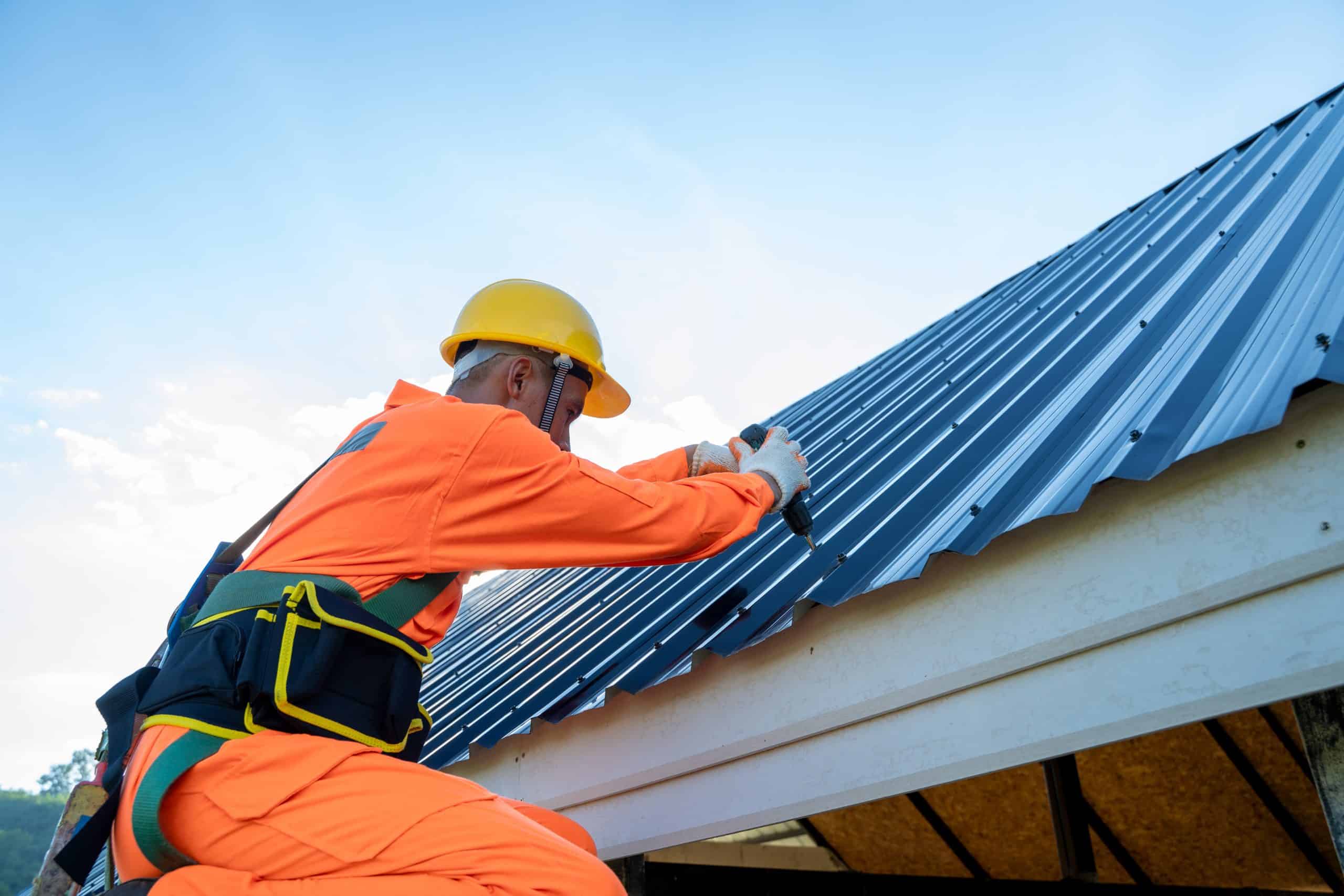
Walk your property and look for loose or damaged panels, especially along the edges where wind uplift creates the most stress. Check for any gaps in the seams or areas where the metal appears to be pulling away from the fasteners. Even small separations can become major problems when 70+ mph winds start testing every weak point on your roof.
Metal roof panels are only as strong as their weakest fastener. Every screw, clip, and anchor point needs inspection because storm winds don’t discriminate—they’ll find that one loose connection and exploit it mercilessly.
Start by examining all visible fasteners for rust, looseness, or signs of backing out. In Pasadena’s humid climate, even galvanized screws can show wear after a few seasons. Replace any questionable fasteners immediately rather than hoping they’ll hold through another storm. Pay special attention to the roof edges and ridges where wind uplift forces are strongest.
Check your panel overlaps and seams next. These connections should be tight and properly sealed. Any gaps or separations need immediate attention because they become entry points for both wind and water. Standing seam roofs have an advantage here, but even they require proper maintenance of the seam integrity.
Don’t forget about expansion and contraction issues. Metal roofs move with temperature changes, and if the fastening system doesn’t accommodate this movement, you’ll develop stress points that fail during storms. Look for elongated screw holes or panels that appear to be binding against their fasteners.
Flashings are your roof’s most vulnerable spots during severe weather. Every chimney, vent, skylight, and roof penetration creates a potential failure point that storms will test relentlessly. Most storm damage actually starts at these transition areas, not with the main roof surface.
Inspect all flashing materials for proper adhesion and seal integrity. Storm-damaged flashing typically shows signs of lifting, cracking, or separation from the roof surface. In Pasadena’s weather patterns, even minor flashing issues can lead to significant water intrusion during heavy rainfall events.
Check the sealants around all penetrations. Most roofing sealants have a finite lifespan, especially under Texas sun and storm conditions. Cracked or hardened sealant won’t perform when you need it most. Replace any questionable sealants with high-quality, storm-rated products designed for metal roofing applications.
Pay particular attention to areas where different materials meet—like where metal roofing transitions to brick chimneys or where gutters attach to roof edges. These transition zones experience the most stress during storms and require robust flashing systems to maintain their integrity.
Want live answers?
Connect with a Arm Strong Gutters & Sheet Metal expert for fast, friendly support.
Your gutter system works hand-in-hand with your metal roof to manage the massive water volumes that Pasadena storms can deliver. A properly functioning drainage system prevents water from backing up under your roof edges and protects your foundation from erosion.
Clean all gutters and downspouts thoroughly, removing leaves, debris, and any obstructions that could cause backups during heavy rainfall. Storm-clogged gutters can overflow and create water damage that extends far beyond just your roof system. Check that all gutter sections are properly secured and sloped for optimal water flow.
Proper gutter alignment becomes critical when dealing with metal roofs and storm conditions. Metal roofing sheds water much faster than traditional shingles, creating concentrated water flow that can overwhelm improperly positioned gutters.
Verify that your gutters are positioned to catch all water runoff from your metal roof panels. Even small misalignments can cause water to shoot past the gutter during heavy storms, leading to foundation issues and landscape erosion. The gutter lip should extend slightly under the roof edge to catch water effectively without creating ice dam conditions.
Check all gutter hangers and support brackets for proper attachment and spacing. Metal roofs create different load patterns than shingle roofs, and your gutter support system needs to handle the concentrated water flow and potential ice loading that occurs during severe weather events.
Inspect downspout connections and extensions to ensure they’re directing water well away from your foundation. During Pasadena’s intense rainfall events, proper water management becomes essential for protecting your entire property, not just your roof.
Trees become projectiles during severe storms, and even small branches can cause significant damage to metal roofing systems. Proactive tree management is essential for storm preparation in Harris County’s tree-rich neighborhoods.
Trim all branches that hang over or near your roof line, focusing especially on dead or weakened limbs that could break off during high winds. Even healthy branches can cause problems if they’re large enough to dent metal panels or damage flashing systems. The goal is creating a clear zone around your roof that minimizes impact potential.
Remove any loose debris from your roof surface and gutters. Items like loose shingles from neighbors’ roofs, fallen branches, or construction materials can become dangerous projectiles during storms. A clean roof also allows you to spot potential problems more easily during your pre-storm inspections.
Consider the overall health of large trees near your home. Storm-damaged or diseased trees pose significant risks during severe weather events. Professional tree assessment might be necessary for older or questionable trees that could threaten your property during hurricane-force winds.
While homeowner maintenance is important, professional storm preparation ensures your metal roof can handle whatever Pasadena’s weather throws at it. Experienced contractors know the specific vulnerabilities of metal roofing systems and can identify problems that aren’t obvious to untrained eyes.
Professional inspections provide documentation that’s valuable for insurance purposes and peace of mind. We can spot structural issues, fastener problems, or flashing failures that could become major problems during the next severe weather event.
When you’re ready to ensure your metal roof is properly prepared for storm season, we bring the expertise and local knowledge that Harris County homeowners rely on for comprehensive storm protection.
Article details:
Share:
Continue learning: