
Understand the importance of regular gutter inspections, even with guards, to prevent water damage issues for properties in Harris County, TX.

Summary:
Your gutter system serves a primary, vital function: directing rainwater away from your building’s foundation, walls, and surrounding landscape. When gutters fail, the consequences can be significant and costly. Firstly, overflowing water can saturate the soil around your foundation, leading to cracks, settlement, or even basement flooding over time. Secondly, water spilling over clogged gutters can damage fascia boards, soffits, and siding, promoting rot and decay. Furthermore, standing water in gutters creates an inviting environment for pests like mosquitoes and rodents. Even if you’ve invested in gutter guards or leaf guards, small debris, roof grit, and organic matter can sometimes bypass these systems or accumulate underneath them, eventually causing clogged gutters. Regular gutter cleaning & inspection acts as a preventative measure, allowing you to spot these accumulations or developing problems like loose fasteners or sagging sections early on. For properties in Harris County, TX, where intense rain is common, performing a gutter inspection at least twice a year—typically in the spring and fall—is a sound recommendation. This schedule helps address debris from spring pollen and fall leaves, verifying your system is prepared for seasonal rainfall and preventing blocked gutters before they escalate into major property damage.
Gutter guards and leaf guards are certainly helpful additions, significantly reducing the amount of large debris, like leaves and twigs, that enters your gutter channels. However, it’s a misconception that they make your gutters entirely maintenance-free. Different types of guards (mesh screens, perforated covers, reverse curve designs) have varying levels of effectiveness against smaller debris. Pine needles, seeds, shingle grit, and decomposing organic sludge can still infiltrate many guard types. Additionally, heavy downpours can sometimes wash debris over the guards, or buildup can occur on top of the guards, impeding water flow. Therefore, a periodic gutter inspection remains important to confirm the guards themselves are intact, securely fastened, and not inadvertently contributing to blocked gutters by trapping fine sediment. Think of guards as reducing, not eliminating, the need for attention.
Aluminum gutters and vinyl gutters are common sights on both residential gutters and commercial gutters across Harris County, TX. Each material brings different characteristics to the table. Aluminum gutters are known for their durability and resistance to rust, holding up well in wet conditions. Vinyl gutters are often chosen for their affordability and resistance to corrosion. Nevertheless, both types require diligent gutter inspection. Aluminum, while strong, can dent from impact and its seams may potentially leak over time. Vinyl can become brittle with prolonged sun exposure or potentially crack under impact or extreme temperature shifts. During your gutter inspection, look for specific signs related to the material: check aluminum gutters for dents, corrosion near fasteners, or separating seams; inspect vinyl gutters for cracks, warping, or brittleness. Verifying the integrity of the material is just as important as checking for clogged gutters.
Want live answers?
Connect with a Arm Strong Gutters & Sheet Metal expert for fast, friendly support.
The specific environmental factors in Harris County, TX, directly influence what you should look for during a gutter inspection. The region’s abundant trees, including oaks and pines, shed leaves, acorns, and needles that are prime candidates for creating clogged gutters. High humidity levels can also accelerate the growth of algae or mold within the gutter channels, especially in shaded areas, contributing to blockages and unpleasant appearances. Furthermore, the heavy rainfall characteristic of the area puts significant stress on the gutter system; therefore, checking for secure mounting, proper slope for drainage, and absence of leaks at seams and end caps is particularly important. A thorough gutter inspection in this climate involves looking not just inside the gutters for debris but also examining the hangers, downspouts, and surrounding roof edges and fascia for any signs of water damage or system failure. Remember that blocked gutters can happen quickly after storms, so checking after significant weather events is also advisable, in addition to the semi-annual schedule.
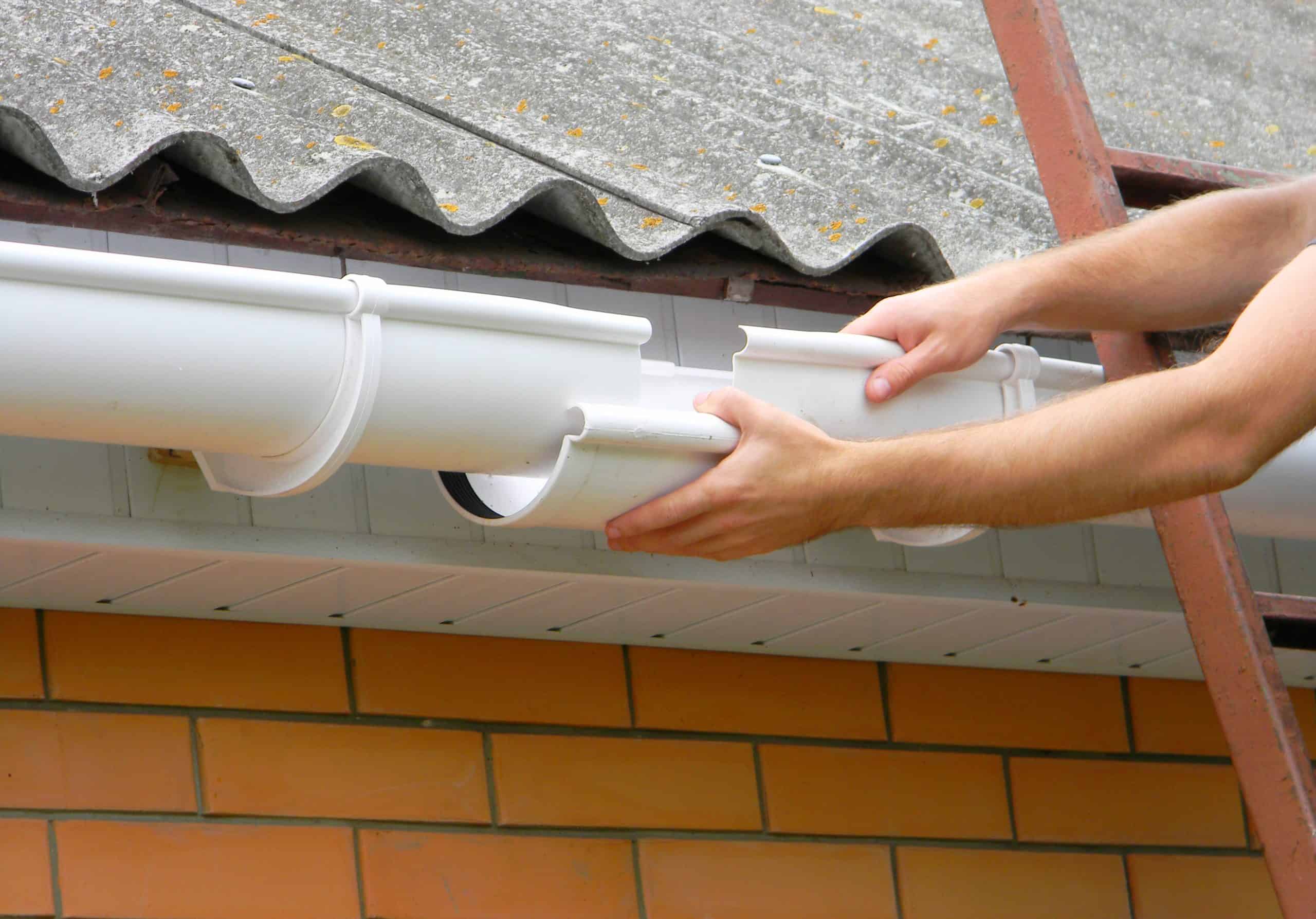
Conducting a basic gutter inspection and performing light gutter maintenance can often be done safely from the ground or with a sturdy ladder, following proper safety precautions. Firstly, visually scan the gutter runs for obvious debris like leaves or twigs, paying attention to corners and downspout openings. Secondly, check that all hangers are securely fastened and that the gutters haven’t pulled away from the fascia board. Look for any signs of sagging or improper slope. Thirdly, inspect the downspouts to verify they are clear; you can often test this by running water from a hose into the gutter. If water backs up or trickles out slowly, you likely have blocked gutters or a clog in the downspout. Also, examine the ground around your foundation below the downspout outlets—look for signs of erosion, which indicates water isn’t being directed far enough away. Catching these issues early prevents bigger problems.
While the fundamental need for clean, functional gutters is the same, there are differences between residential gutters and commercial gutters regarding inspection. Commercial buildings often have much longer gutter runs, more complex rooflines, and potentially limited access, making inspection more involved. The potential cost of water damage from failed gutter protection can also be higher for a business, impacting operations and inventory. Consequently, commercial properties might benefit from more frequent professional gutter inspection schedules. Residential gutters are typically more accessible, but homeowners should still prioritize regular checks. Whether for a home or business, the goal remains the same: prevent water damage through proactive gutter maintenance and inspection. Addressing clogged gutters promptly protects the building envelope regardless of its size or use.
To summarize, consistent gutter inspection is a non-negotiable aspect of property upkeep in Harris County, TX. Even systems fortified with gutter guards require periodic checks to function correctly long-term. Whether dealing with aluminum gutters or vinyl gutters, being vigilant about clearing debris and identifying potential weaknesses helps prevent water damage, protects your foundation, and avoids pest infestations. Don’t let clogged gutters or blocked gutters compromise your property. For thorough, professional gutter inspection and maintenance services adapted to the needs of Harris County residents and businesses, rely on Arm Strong Gutters & Sheet Metal. Contact us today to schedule an appointment and maintain your gutter system effectively.
Article details:
Share:
Continue learning: