Essential gutter inspection guide for Harris County homeowners covering warning signs, DIY maintenance tips, and professional service recommendations.
Summary:
Harris County’s weather patterns demand more attention than most regions. Plan on inspecting your gutters at least twice yearly—once in late spring after the heavy rains, and again in early fall before hurricane season kicks into high gear.
If your property sits under heavy tree coverage or you’ve noticed more debris than usual, bump that up to quarterly checks. After any major storm, take a quick walk around your home to spot obvious damage before it worsens.
Spring inspections focus on winter damage and preparing for the heavy rainfall months ahead. Look for loose brackets, cracked seams, and any debris that accumulated during the cooler months. This is also when you’ll spot any ice damage from those rare freezing events we get.
Summer checks happen after the intense thunderstorm season. You’re looking for storm damage, checking that downspouts stayed attached, and clearing any debris that built up during those sudden deluges. Pay special attention to areas where tree branches may have scraped against gutters during high winds.
Fall preparation is crucial before hurricane season. Clear all debris, check for loose sections that strong winds could tear away, and make sure your downspouts direct water well away from your foundation. This is when you’ll want to address any issues before they become problems during the next major weather event.
Winter inspections in Harris County are typically lighter, but don’t skip them entirely. Check for any settling or movement after heavy rains, and look for signs of water damage around your foundation from the previous season’s storms.
Houston gets about 53 inches of rain annually—that’s 15 inches more than the national average. When Hurricane Harvey hit, nearly every watershed in Harris County experienced catastrophic flooding, with over 136,000 structures damaged. Your gutters are your first line of defense against this kind of water damage.
The clay-heavy soil throughout Harris County creates unique challenges. When it gets saturated, it expands and puts pressure on your foundation. When it dries out, it contracts and can cause settling. Without proper drainage, this cycle repeats with every storm, gradually weakening your home’s structural integrity.
Our humidity doesn’t help either. It accelerates rust and corrosion in metal gutters, while also promoting mold growth in areas where water doesn’t drain properly. The combination of intense rainfall, soil conditions, and humidity means your gutters work harder here than in most parts of the country.
Hurricane season brings its own set of challenges. High winds can tear gutters away from fascia boards, while flying debris can puncture or dent gutter sections. The massive water volumes during these events can overwhelm undersized or clogged systems, leading to the kind of overflow that damages foundations and floods homes.
Want live answers?
Connect with a Arm Strong Gutters & Sheet Metal expert for fast, friendly support.
Some gutter problems announce themselves loudly, while others develop quietly until major damage occurs. Learning to spot both types keeps small issues from becoming expensive repairs.
Water stains on your siding, pooling around your foundation, or gutters pulling away from your roofline are obvious red flags that need immediate attention. But subtle signs like small rust spots, minor sagging, or debris buildup also signal developing problems.
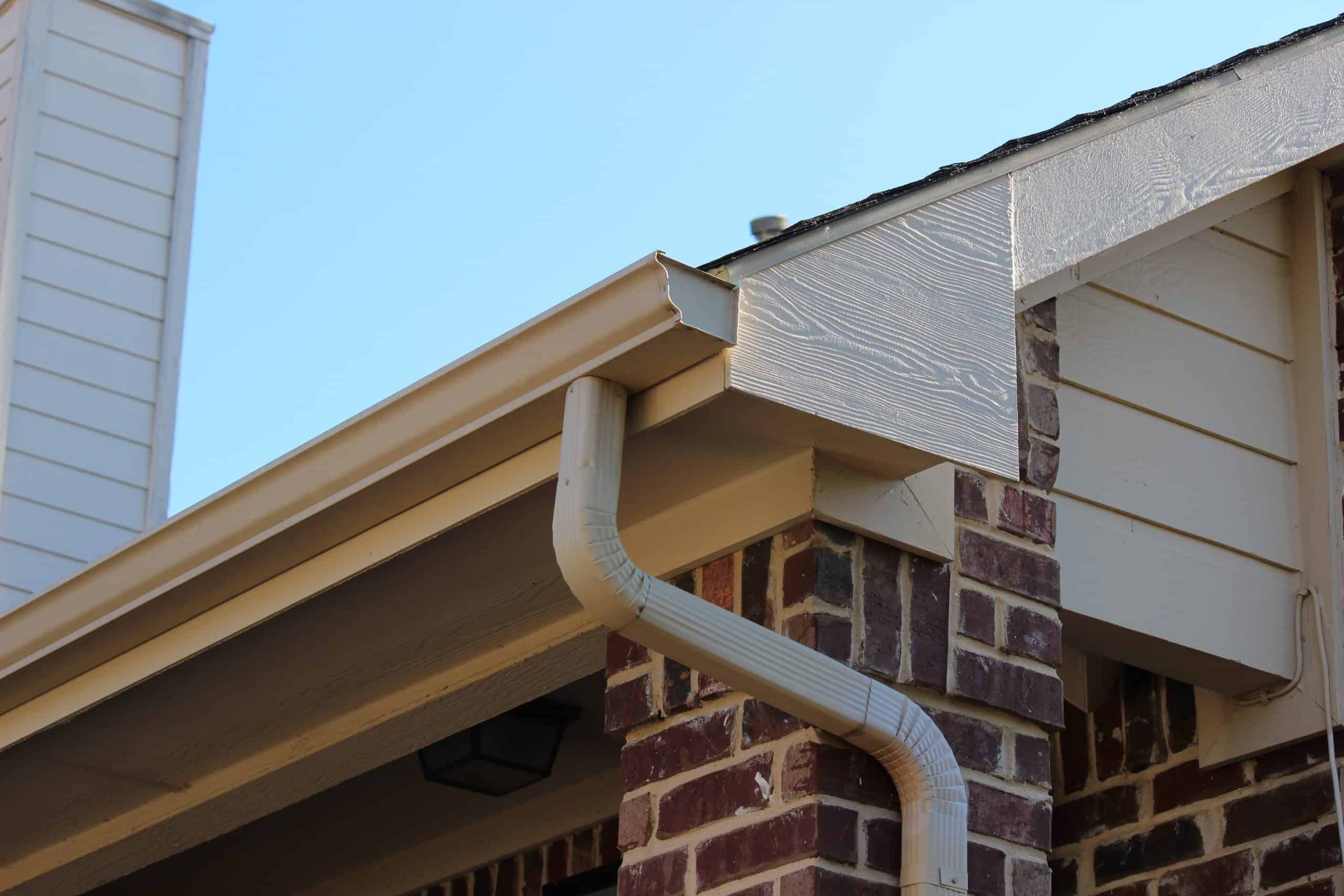
Start your inspection from the ground using binoculars if needed. Look for sagging sections, which indicate either loose brackets or excessive weight from debris buildup. Gutters should maintain a consistent slope toward downspouts—any areas that appear to pond water need attention.
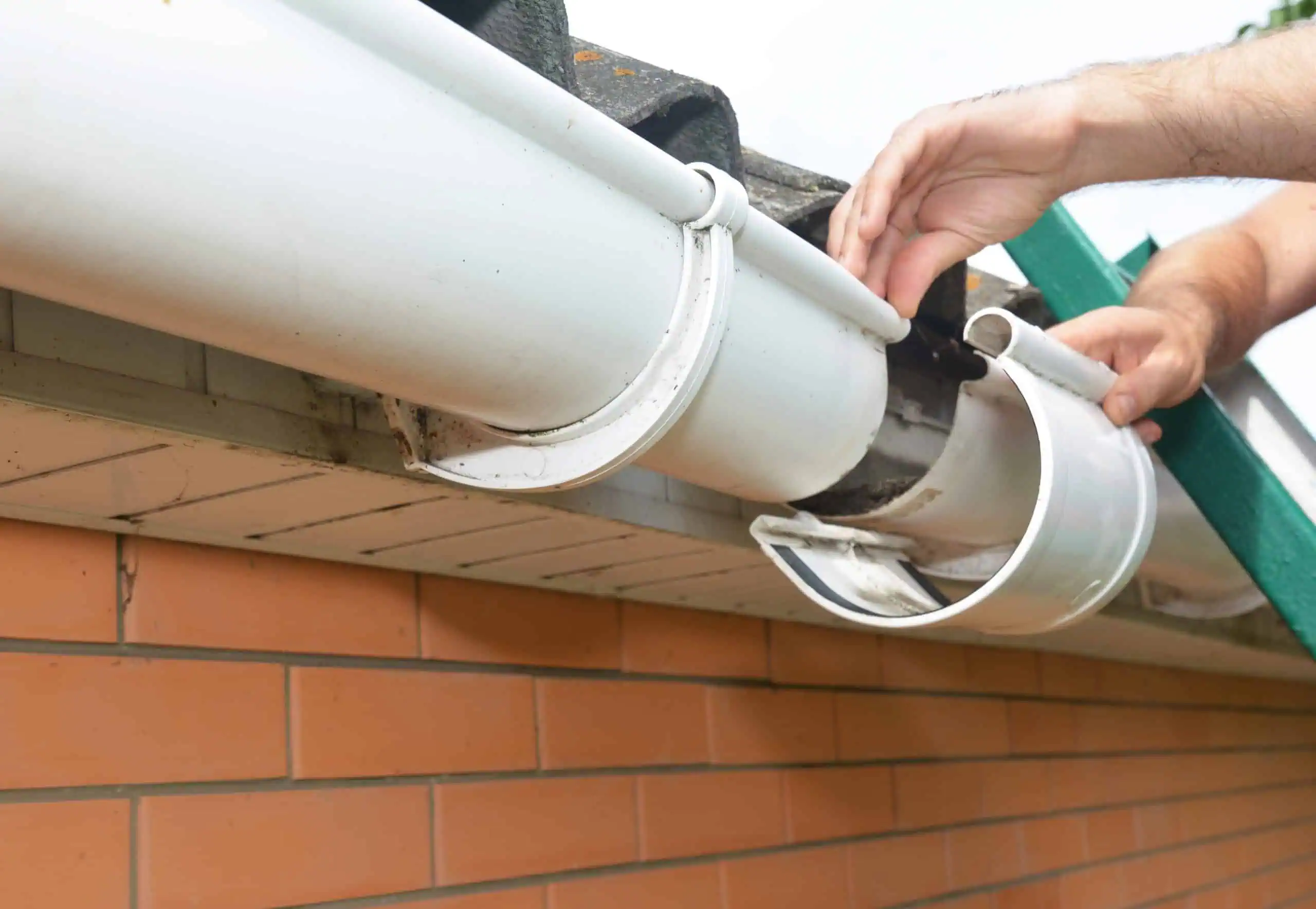
Check for visible rust, especially around joints and seams where water tends to collect. Small rust spots can be treated, but extensive corrosion means it’s time for replacement. Look for any sections pulling away from the fascia board, which compromises the entire system’s effectiveness.
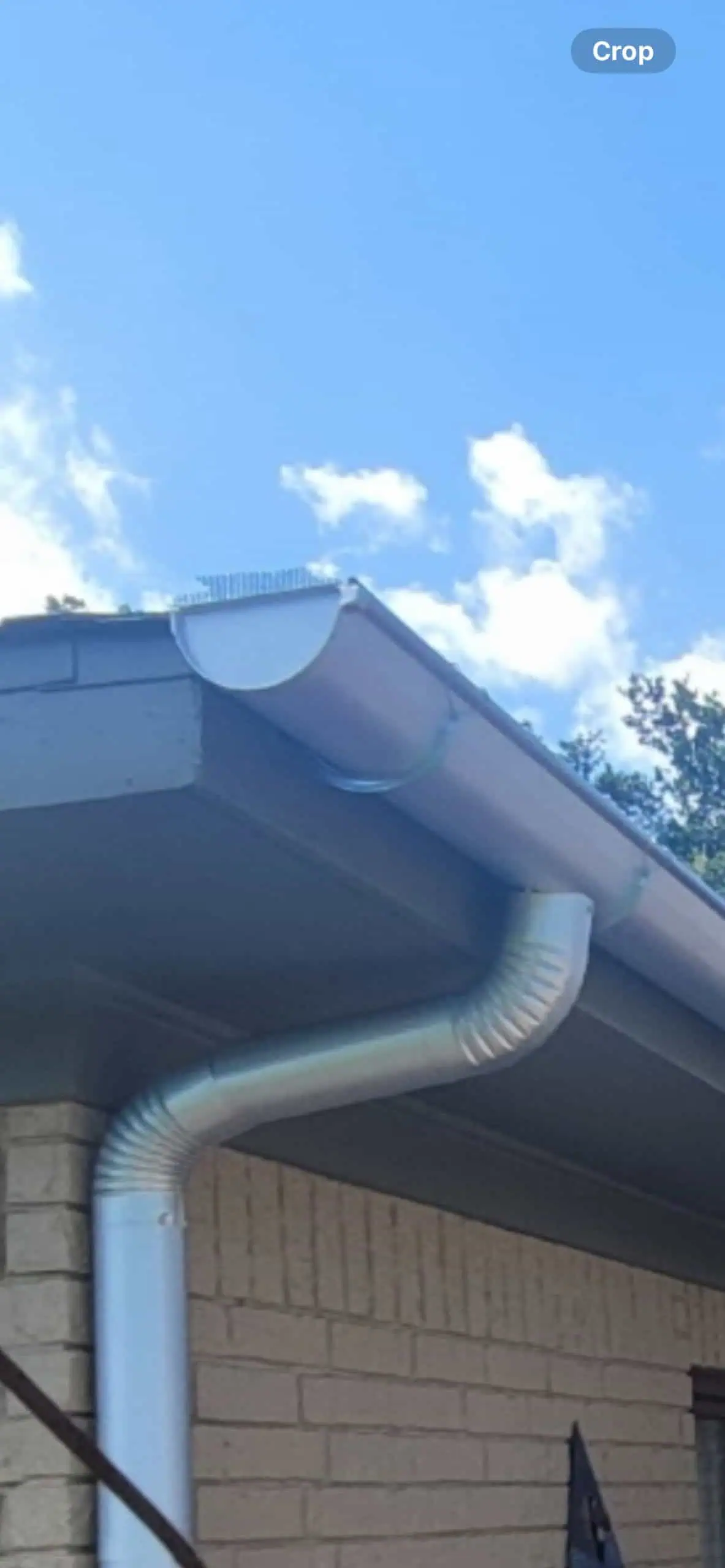
Examine your downspouts for dents, cracks, or sections that have come loose. They should be firmly attached and direct water at least five feet away from your foundation. Check the ground around downspout outlets for erosion or standing water, which indicates drainage problems.
Walk around your home’s perimeter looking for water stains on siding, which suggest gutters are overflowing or leaking. Also check for any plant growth in gutters, which indicates standing water and poor drainage. Birds’ nests or other debris accumulation shows areas that need cleaning and possibly better maintenance.
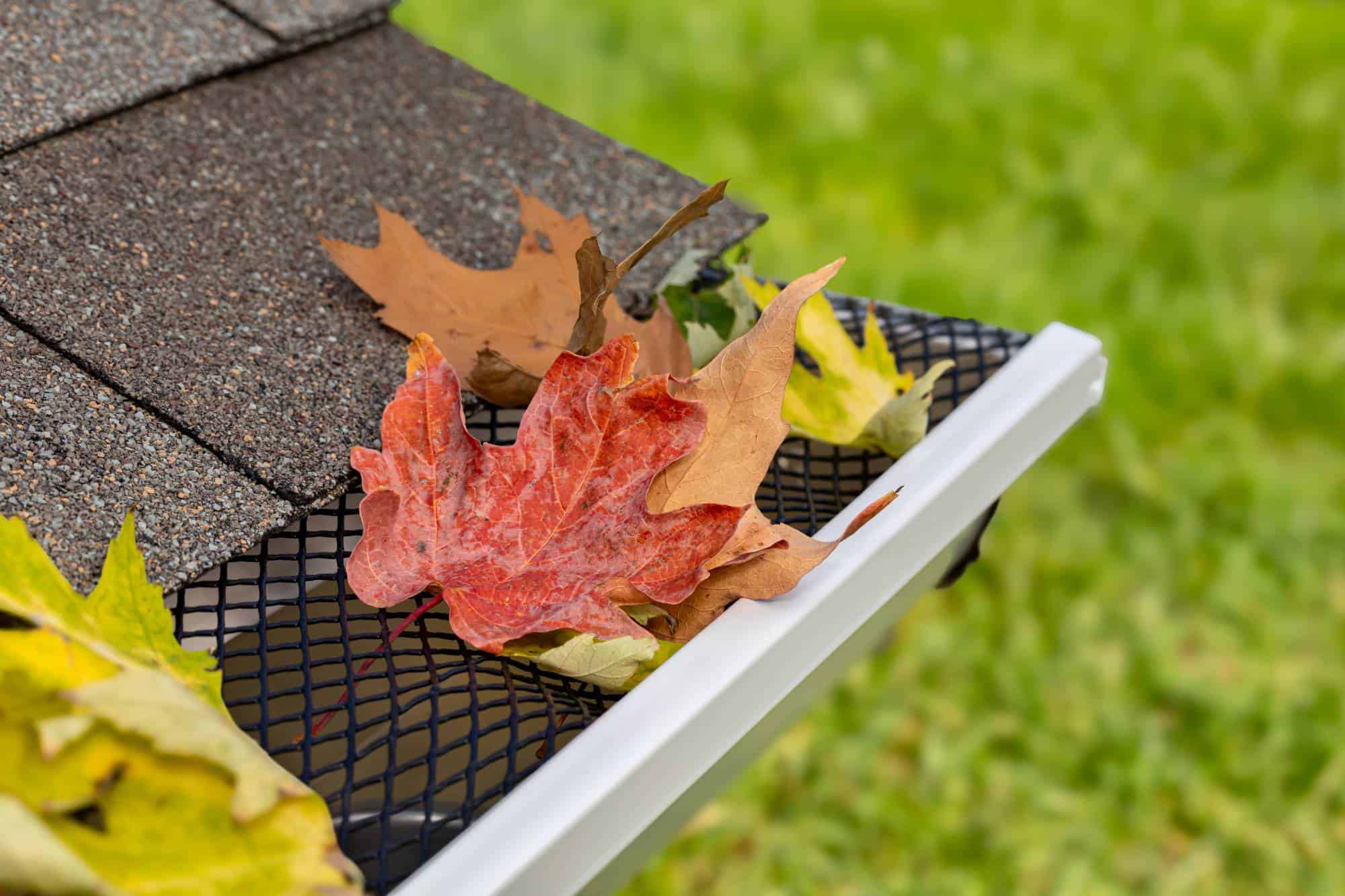
Don’t forget to inspect gutter guards if you have them. They can become clogged with small debris or damaged by storms, reducing their effectiveness and creating new problems.
Your foundation tells the story of how well your gutters are working. Walk around your home after a heavy rain and look for any water pooling near the foundation. This indicates either inadequate drainage or gutters that aren’t directing water far enough away from your home.
Check for any cracks in your foundation walls, especially horizontal cracks or step-pattern cracks in block foundations. While these can have multiple causes, poor drainage is often a contributing factor. Look for any signs of erosion around your foundation, which shows water isn’t being properly channeled away.
Inside your home, basement or crawl space moisture can indicate gutter problems. Water stains on basement walls, musty odors, or actual standing water often trace back to inadequate exterior drainage. Even if your gutters appear fine from outside, these interior signs suggest they’re not handling water volume effectively.
Pay attention to your landscaping as well. Erosion channels, dead plants near the foundation, or areas where mulch has washed away all point to water management problems. Your gutters should protect your landscaping, not create drainage issues that damage it.
Mold growth on exterior walls, particularly near the roofline, often indicates gutters that overflow or leak regularly. This creates the persistent moisture conditions that mold needs to thrive, and it’s a clear sign your gutter system needs professional attention.
Regular gutter inspections aren’t just about avoiding expensive repairs—they’re about protecting your biggest investment. In Harris County’s challenging climate, your gutters work harder than almost anywhere else in the country, channeling massive amounts of water away from your foundation during our intense storm seasons.
The simple inspection routine outlined here catches most problems while they’re still manageable. But remember, some issues require professional expertise, especially when dealing with structural concerns or extensive damage. When you spot problems beyond basic maintenance, don’t hesitate to call in experienced professionals.
For comprehensive gutter services throughout Harris County, we at Arm Strong Gutters & Sheet Metal provide the local expertise and quality materials needed to keep your home protected through every storm season.
Article details:
Share:
Continue learning: