
Explore gutter guard options for Harris County homes, from mesh to foam, with costs, benefits, and long-term ROI analysis.
Summary:
Harris County’s unique weather patterns put gutter systems to the test. With nearly 50 inches of rain annually spread across 104 days, your gutters handle serious volume. Add the region’s heavy tree coverage, and you’ve got a recipe for constant maintenance.
Gutter guards absolutely work in our climate, but their effectiveness depends on choosing the right type for your specific situation. The key is understanding how different guard systems handle both our intense rainfall and the variety of debris that Houston-area trees produce. Quality guards reduce cleaning frequency from three times yearly to once every few years, while protecting your home from the water damage that costs thousands for gutter repair.
Houston’s monsoon-like conditions from May through October create unique challenges for gutter protection systems. During heavy downpours, inferior guards can become overwhelmed, causing water to overflow rather than drain properly. This is particularly problematic during hurricane season when your gutters need to handle extreme volumes quickly.
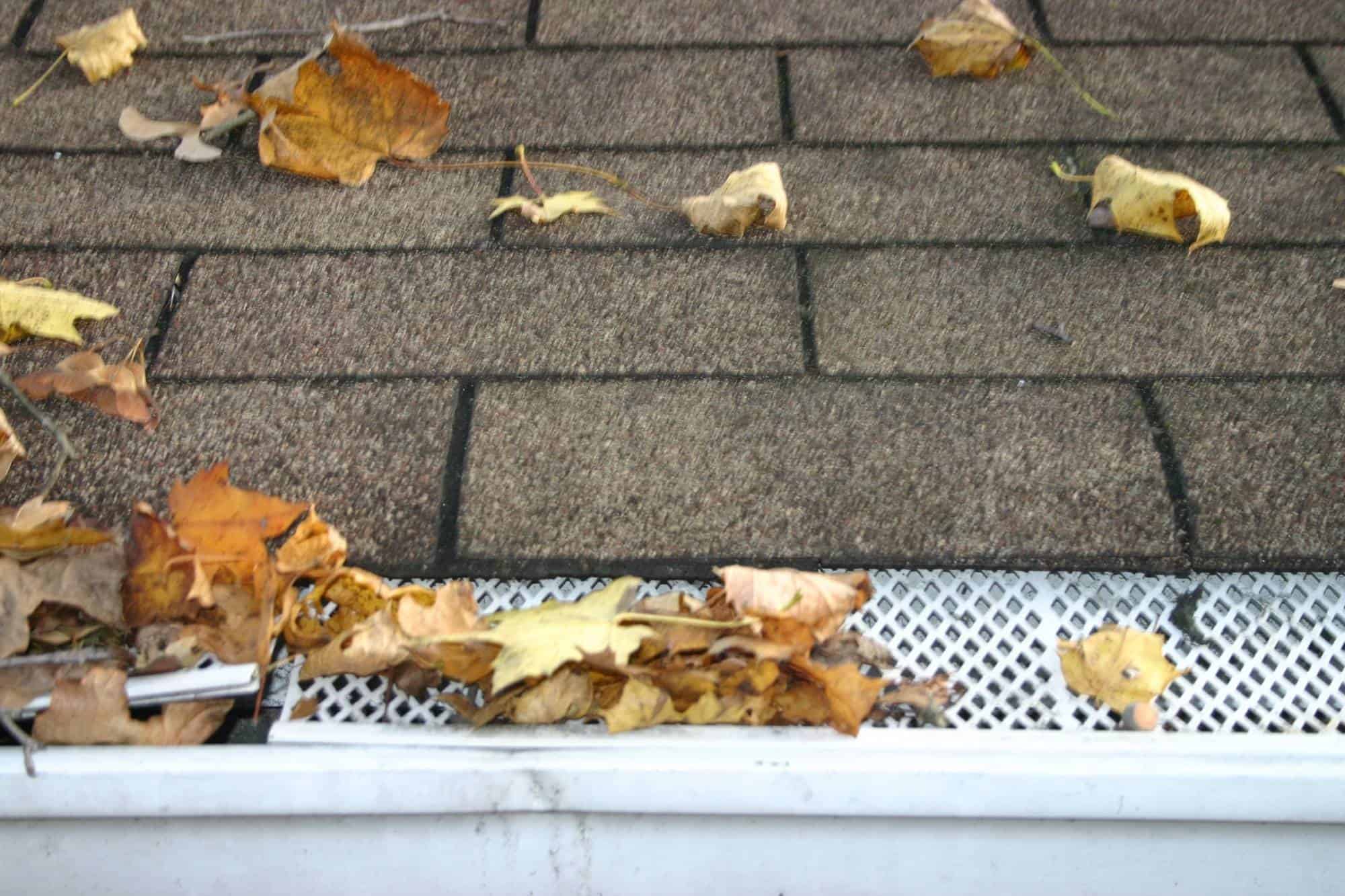
The best gutter guards for Harris County homes are designed to handle heavy rainfall without restricting water flow. Micro-mesh and quality screen systems excel in these conditions because they allow maximum water penetration while filtering debris. Surface tension guards also perform well during intense storms, using water’s natural properties to guide flow into gutters.
However, foam guards can become saturated during heavy rains, essentially turning into sponges that block rather than facilitate drainage. This makes them less suitable for homes in flood-prone areas or those with large roof surfaces that collect substantial runoff.
The key is choosing guards that maintain their effectiveness during both light drizzles and torrential downpours. In Harris County’s climate, this means prioritizing systems that won’t become bottlenecks during the weather events that matter most.
Harris County’s diverse tree population creates specific challenges for gutter protection. Oak trees drop large leaves and acorns, pine trees shed needles and cones, and Bradford pears produce small flowers and seed pods. Each debris type requires different filtering approaches.
Large deciduous tree debris like oak leaves and twigs are easily handled by most guard systems. Screen guards, mesh systems, and reverse curve guards all effectively block these materials while allowing water flow. The challenge comes with smaller debris like pine needles, seed pods, and the fine particles that accumulate over time.
Micro-mesh guards with holes smaller than 50 microns excel at filtering even the smallest debris. These systems prevent pine needles from slipping through while maintaining excellent water flow. Standard screen guards, while less expensive, allow smaller debris to pass through, reducing their effectiveness in heavily wooded areas.
For homes surrounded by mixed tree types, micro-mesh or high-quality screen systems provide the best protection. They handle everything from large leaves to small seeds, significantly reducing the frequency of gutter cleaning. Foam guards work well for large debris but can trap smaller particles, eventually requiring replacement.
The investment in quality filtration pays off when you consider that clogged gutters can pull away from your home’s fascia, causing expensive structural damage. Choosing the right guard for your specific tree coverage prevents these costly repairs while reducing maintenance time.
Want live answers?
Connect with a Arm Strong Gutters & Sheet Metal expert for fast, friendly support.
Four main gutter guard types dominate the Harris County market, each with distinct advantages and limitations. Understanding these differences helps you choose the system that matches your home’s specific needs and your maintenance preferences.
Mesh and micro-mesh guards offer the finest filtration, blocking debris as small as 50 microns while allowing excellent water flow. Screen guards provide good protection at lower cost but allow smaller debris through. Reverse curve guards use surface tension to guide water while forcing debris to slide off, and foam guards sit inside gutters to block large debris while allowing water to filter through.
Micro-mesh guards represent the premium tier of gutter protection, featuring thousands of tiny holes that filter even the smallest debris while maintaining excellent water flow. These systems typically use stainless steel or high-grade aluminum construction, providing durability that matches their superior performance.
The key advantage of micro-mesh systems is their ability to handle Harris County’s diverse debris types. Pine needles, small seeds, and fine particles that slip through other guards are effectively blocked. This makes them ideal for homes with mixed tree coverage or those in heavily wooded areas.
Installation typically requires professional service, as these systems must be properly secured to handle wind loads and ensure optimal water flow. The initial cost ranges from $6-10 per linear foot installed, making them more expensive than alternatives. However, their longevity and effectiveness often justify the investment.
Maintenance requirements are minimal – typically an annual inspection and occasional debris removal from the surface. Unlike foam guards that require replacement every few years, quality micro-mesh systems can last 15-20 years with proper care. This longevity makes them cost-effective despite higher upfront costs.
The main drawback is visibility from ground level, though most homeowners find this acceptable given the performance benefits. For Harris County homes seeking maximum protection with minimal maintenance, micro-mesh guards offer the best long-term value.
Screen guards offer middle-ground performance at affordable prices, typically costing $3-5 per linear foot installed. They effectively block large debris while allowing good water flow, making them suitable for homes with moderate tree coverage. However, smaller debris like pine needles and seed pods can pass through, requiring occasional cleaning.
Reverse curve guards use an entirely different approach, relying on surface tension to guide water into gutters while forcing debris to slide off. These systems handle large debris exceptionally well and are virtually maintenance-free for the debris they’re designed to block. However, they’re visible from ground level and require professional installation, with costs ranging from $7-12 per linear foot.
Foam guards represent the budget-friendly option at $2-4 per linear foot, with easy DIY installation. They sit inside gutters, blocking large debris while allowing water to filter through the foam material. This makes them nearly invisible from ground level and simple to maintain.
However, foam guards have significant limitations in Harris County’s climate. They can become saturated during heavy rains, potentially causing overflow issues. They also require replacement every 3-5 years as the foam material degrades from UV exposure and temperature cycling. Small debris can become trapped in the foam, eventually reducing effectiveness.
For homeowners prioritizing budget and easy installation, foam guards provide reasonable protection for large debris. However, homes with significant tree coverage or those in flood-prone areas benefit more from mesh or reverse curve systems that handle extreme conditions more reliably.
The best gutter guard for your Harris County home depends on your specific tree coverage, budget, and maintenance preferences. Micro-mesh systems offer superior protection and longevity for heavily wooded properties, while screen guards provide good value for moderate debris loads. Reverse curve guards excel at handling large debris with minimal maintenance, and foam guards offer affordable protection for budget-conscious homeowners.
Consider your home’s specific challenges – the types of trees nearby, your roof’s size and complexity, and your comfort level with ongoing maintenance. Quality gutter guards reduce cleaning frequency from multiple times yearly to once every few years, while protecting your home from water damage that costs thousands to repair.
For expert guidance on selecting and installing the right gutter guard system for your Harris County home, contact us at Arm Strong Gutters & Sheet Metal . Our experience with local conditions and quality materials ensures you get the protection your home deserves.
Article details:
Share:
Continue learning: