
Explore the steps for professional metal roof repair, focusing on various metal roofing types and repair techniques in Harris County, TX.
Summary:
The journey of any professional metal roof repair begins with a detailed assessment and inspection. This initial phase involves a careful examination of the entire roof surface to identify all signs of damage or aging. Issues can range from water intrusion points and areas of corrosion to loose or damaged metal roof panels and failing fasteners. In Harris County, TX, the local climate, with its humidity and potential for strong storms, can affect various types of metal roofing in distinct ways. Therefore, it’s very important to consider these local weather patterns during the inspection. For instance, a standing seam metal roof might show vulnerabilities at the seams after periods of heavy rainfall or wind uplift. A corrugated metal roof, on the other hand, might accumulate debris in its channels, leading to moisture retention and potential corrosion if not addressed. A precise evaluation during this first stage is foundational for developing an effective strategy for the metal roof repair.
Once the assessment is complete, selecting appropriate materials is a vital part of a successful metal roof repair. The specific type of metal roofing on your property—be it steel roofing, aluminum roofing, copper roofing, or zinc roofing—will dictate the necessary repair materials. For example, copper roofing provides remarkable resistance to corrosion, which is a significant benefit in the humid climate of Harris County. Conversely, steel roofing is recognized for its robustness and is frequently chosen for structures in areas that might experience strong winds or hail. Aluminum roofing is lightweight and also resists corrosion well. Zinc roofing is another long-lasting option that can develop a protective patina over time. Using materials that are compatible with your existing metal roof installation and suited to Harris County’s specific environmental challenges is key to a durable metal roof repair. This choice affects how well the repair will hold up against local conditions.
Before any hands-on metal roof repair work commences, proper preparation of the roof surface and the surrounding work area is fundamental. This preparation stage includes the removal of any accumulated leaves, branches, dirt, or other debris from the roof. A clean surface allows for better adhesion of sealants and coatings and reveals the full extent of any damage. Securing the work area on the ground is also a standard procedure to protect the property and individuals nearby. Technicians will often use caution tape or barriers. Additionally, those performing the work will utilize personal protective equipment, such as gloves, safety glasses, and harnesses when working at height. These preparatory actions are important for preventing mishaps and contribute to an orderly metal roof repair process. Given Harris County’s propensity for sudden weather shifts, being ready for unexpected rain or gusts of wind is also a component of thorough site preparation.
Want live answers?
Connect with a Arm Strong Gutters & Sheet Metal expert for fast, friendly support.
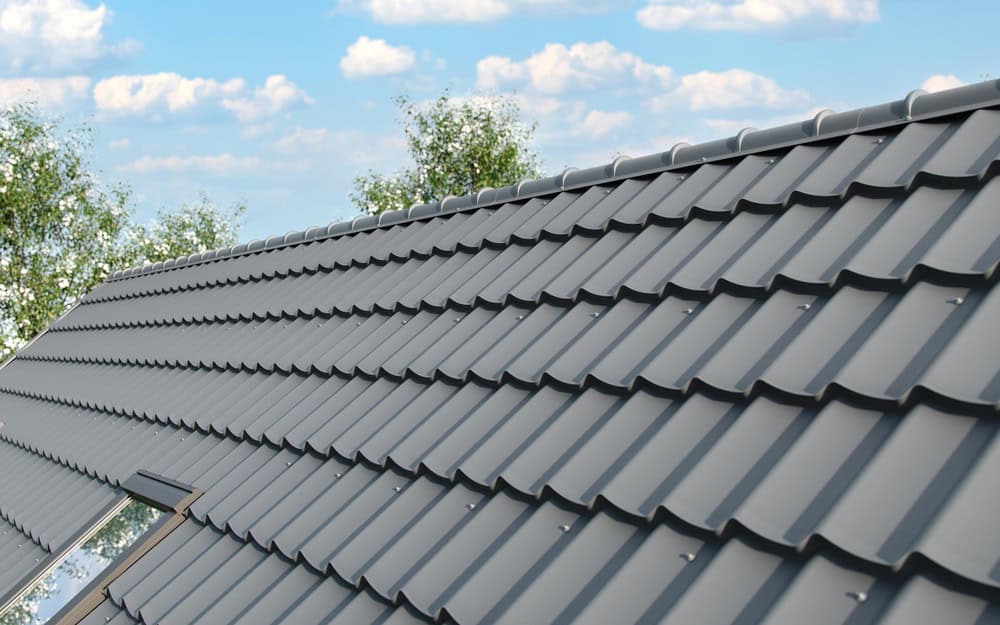
The specific methods used for a metal roof repair will vary based on the type of metal roof installation and the nature of the identified problems. For example, if you have a standing seam metal roof, repairs might involve resealing or re-crimping seams that have opened up, or replacing entire metal roof panels if they are significantly damaged or corroded. For a corrugated metal roof, common repairs could include patching punctures or holes with compatible metal and appropriate sealants, or tightening and replacing loose fasteners that are allowing water to seep in. Sometimes, rust treatment and the application of protective coatings are part of the metal roof repair to address corrosion and extend the roof’s life. Each technique is selected based on the specific requirements of your roof and the materials involved, aiming for the most sound and lasting resolution for your property in Harris County.

Delving deeper into the execution of metal roof repair, the materials and application methods are chosen with great attention to detail. For sealing seams or small penetrations on many types of metal roofing, high-grade elastomeric or polyurethane sealants are frequently used. These are selected for their flexibility, adhesion to metal, and resistance to UV radiation and temperature extremes common in Harris County. Application involves meticulous cleaning of the surface, sometimes followed by a primer, and then careful application of the sealant with a caulking gun or trowel to form a continuous, watertight barrier. When replacing metal roof panels, new panels must match the profile and gauge of the existing metal roofing. Fasteners, such as screws with neoprene washers, are installed at precise intervals and torque settings to allow for thermal expansion and contraction of the metal without compromising the weather seal. For coating applications, the surface is typically power washed and treated for rust, then a suitable primer is applied, followed by one or more layers of a reflective or protective coating using sprayers or rollers. These specific actions during the metal roof repair contribute to its overall effectiveness.
Once all the metal roof repair work has been carried out, a final, detailed inspection is performed. This step is about verifying that all repairs meet quality benchmarks and that the roof is in excellent condition. The inspection involves checking that all repaired sections, whether on a corrugated metal roof or a standing seam metal roof, are secure and correctly integrated. This means examining any new metal roof panels, fasteners, and sealants to affirm they are properly installed and functioning as intended. Technicians will look for any signs of potential water entry points and confirm that all work areas are clean and free of debris. For you as a property owner in Harris County, TX, this concluding check offers confirmation that your metal roofing is prepared to handle the local weather and perform its protective function effectively for an extended period.
To get the most out of your metal roof repair and prolong the overall life of your metal roofing, consistent upkeep is very beneficial. This doesn’t have to be complicated. It includes activities like visually checking your roof a couple of times a year, especially after significant weather events common in Harris County. Look for debris such as leaves or branches, particularly in valleys or around chimneys, and arrange for its removal. Also, keep an eye on gutters and downspouts to make certain they are clear and allowing water to drain away from the metal roof panels and your foundation. Addressing small issues, like a loose piece of flashing or a small area of peeling sealant, promptly can prevent them from developing into larger, more costly problems down the line. A proactive approach to the care of your metal roofing helps maintain its condition after a metal roof repair.
[Section 7 | Conclusion]
[Section 7 | Heading (H2)]: Partnering for Your Metal Roof Repair Needs in Harris County
[Section 7 | Body Text]: To sum up, being familiar with the primary steps involved in a professional metal roof repair process empowers property owners in Harris County, TX, to better manage their roofing investments. From the critical initial assessment and careful material selection to the detailed repair work and final inspection, each phase contributes to the continued performance and durability of your metal roofing system. Whether you have issues with steel roofing, aluminum roofing, or need attention for your zinc roofing, addressing them correctly is key. For assistance with your metal roof repair requirements, contacting Arm Strong Gutters & Sheet Metal can provide knowledgeable guidance and service. Reach out today to discuss your metal roofing needs and find a dependable solution to protect your property.
Article details:
Share:
Continue learning: