
Learn about the primary reasons for leaks in metal roofing systems and how you can manage them in Harris County, TX.
Summary:
Leaks in metal roofing systems can stem from a surprising number of sources, many of which can be managed with awareness and timely action. A significant contributor to these leaks is often related to the initial metal roof installation. If, for example, metal roof panels are not fastened with the correct type of screw or are overtightened, the grommet beneath the screw head can be compromised. This damage might not be visible immediately but can allow moisture to slowly make its way underneath. Similarly, if panels are not overlapped correctly or if the sealant used at the seams and flashing points is of poor quality or improperly applied, water will find a path. In Harris County, TX, the weather plays a notable role; prolonged periods of heavy rain can test every connection point, and strong winds can put stress on fasteners and seams, potentially leading to the development of leaks in metal roofing systems. Gradual wear from sun exposure and temperature fluctuations also contributes to the aging process of your roof.
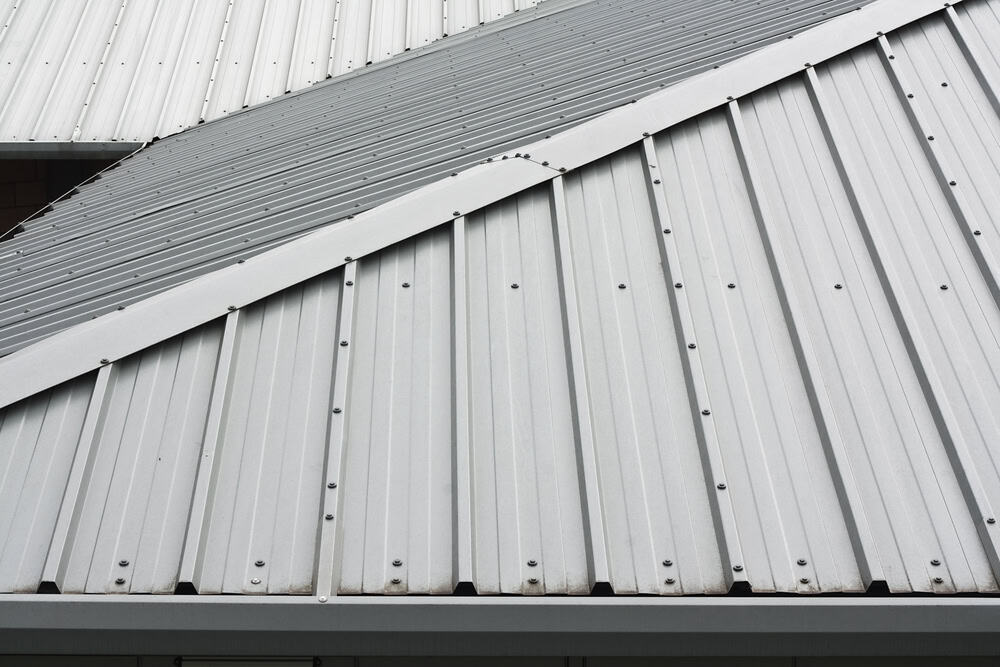
The type of material used for your metal roofing can also influence its susceptibility to certain kinds of leaks. For instance, a corrugated metal roof, with its wavy pattern, relies heavily on correctly overlapped panels and well-sealed fasteners; if these are compromised, water can become trapped in the channels and seep through screw holes or seams. Standing seam metal roof systems are designed with concealed fasteners and raised seams, which generally makes them very water-resistant. However, issues can still arise if the seams are not mechanically locked or crimped to the manufacturer’s specifications, or if penetrations for vents or pipes are not flashed with precision. Steel roofing, while strong, requires a protective coating (like galvanization or Galvalume) to prevent rust, which, if it occurs, can perforate the metal. Aluminum roofing is naturally rust-resistant but is softer than steel and can be dented by hail or falling debris, potentially creating low spots where water might pool and eventually find an entry point.
Consistent upkeep is a fundamental aspect of preventing leaks in metal roofing systems. When routine inspections are skipped, small, easily solvable issues can escalate into larger problems. For example, debris like leaves, pine needles, and branches can accumulate on your metal roofing, especially in valleys or around chimneys. This buildup traps moisture against the metal roof panels, which can accelerate corrosion, particularly if the protective coating is scratched or worn. Materials like copper roofing develop a distinctive patina over time, which is a natural protective layer, but even copper can suffer from corrosion if exposed to acidic runoff from other materials. Similarly, zinc roofing is very durable but requires attention to its specific maintenance needs to avoid premature wear. Simply keeping the surface clean and promptly addressing any signs of wear, such as loose fasteners or sealant deterioration, can greatly diminish the likelihood of leaks developing in your metal roofing.
Want live answers?
Connect with a Arm Strong Gutters & Sheet Metal expert for fast, friendly support.
The climate in Harris County, TX, presents a distinct set of trials for any metal roofing system. The intense summer heat causes metal roof panels to expand, and as temperatures cool, they contract. This constant thermal movement, day after day, year after year, puts stress on fasteners and sealants. If fasteners become loose over time due to this movement, or if sealants crack and lose their flexibility, pathways for water intrusion can be created, leading to leaks in metal roofing systems. Furthermore, the area is prone to heavy rainfall and, at times, tropical storm activity, which can overwhelm even well-installed roofs if there are any minor vulnerabilities. High winds accompanying these storms can lift panels if they are not securely fastened, or drive rain into tiny openings that might not leak under normal conditions. Thinking about these local weather patterns is important when considering strategies for metal roof repair and preventative care for your property.
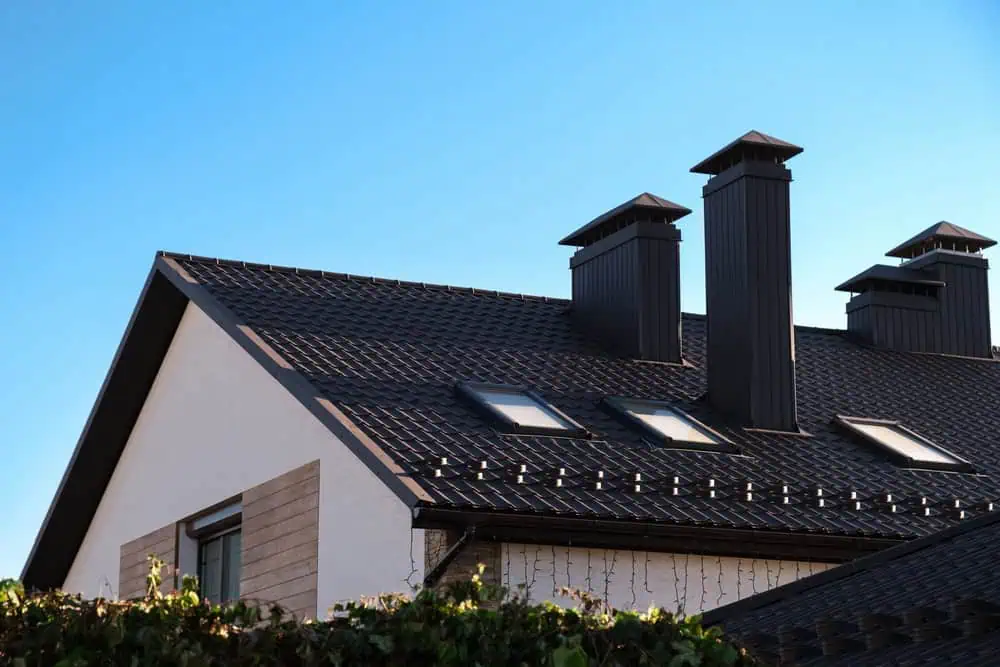
Mistakes made during the metal roof installation process are a primary source of future leaks in metal roofing systems. For example, using the incorrect type or length of fasteners for specific metal roof panels can lead to issues; some fasteners are designed for wood substrates, others for metal, and using the wrong one can result in a weak connection or damage to the panel itself. When installing a standing seam metal roof, the mechanical seaming process, which folds and locks the edges of adjacent panels together, must be done with specific tools calibrated for that panel profile and material thickness. Incorrect seaming can leave gaps or create stress points. For a corrugated metal roof, the sequence of panel installation and the precision of overlap are very important to channel water effectively. Moreover, flashing details around chimneys, skylights, and vents are critical. These areas involve transitions between the metal roofing and other materials, and if not executed with appropriate techniques and compatible materials, they are common spots for water entry. For example, if an aluminum roofing panel is fastened directly with uncoated steel screws, galvanic corrosion can occur, weakening the connection and the panel.
Should you notice signs of leaks in metal roofing systems, such as water stains on your ceiling or dampness in your attic, obtaining a professional assessment for metal roof repair is an important next step. Locating the exact entry point of a leak on metal roofing can sometimes be tricky, as water can travel along a panel or structural member before it becomes visible inside. Trained technicians understand how different systems, from steel roofing to copper roofing or zinc roofing, are constructed and how they respond to conditions in Harris County, TX. They possess the tools and knowledge to identify the root cause accurately and implement lasting solutions, rather than quick fixes that might not address the underlying problem with your metal roof panels. This approach helps maintain the longevity of your roof.
To sum up, being aware of the common origins of leaks in metal roofing systems allows you to adopt proactive strategies for your home in Harris County, TX. From verifying that the initial metal roof installation is performed correctly to carrying out regular checks and upkeep, these actions are very beneficial, especially given the local climate. A well-maintained metal roofing system, whether it’s aluminum roofing or a robust standing seam metal roof, can provide many years of dependable protection. If you require assistance with identifying potential issues or need a metal roof repair, please feel free to contact Arm Strong Gutters & Sheet Metal. Taking these steps will help keep your metal roofing performing well for a long time.
Article details:
Share:
Continue learning: