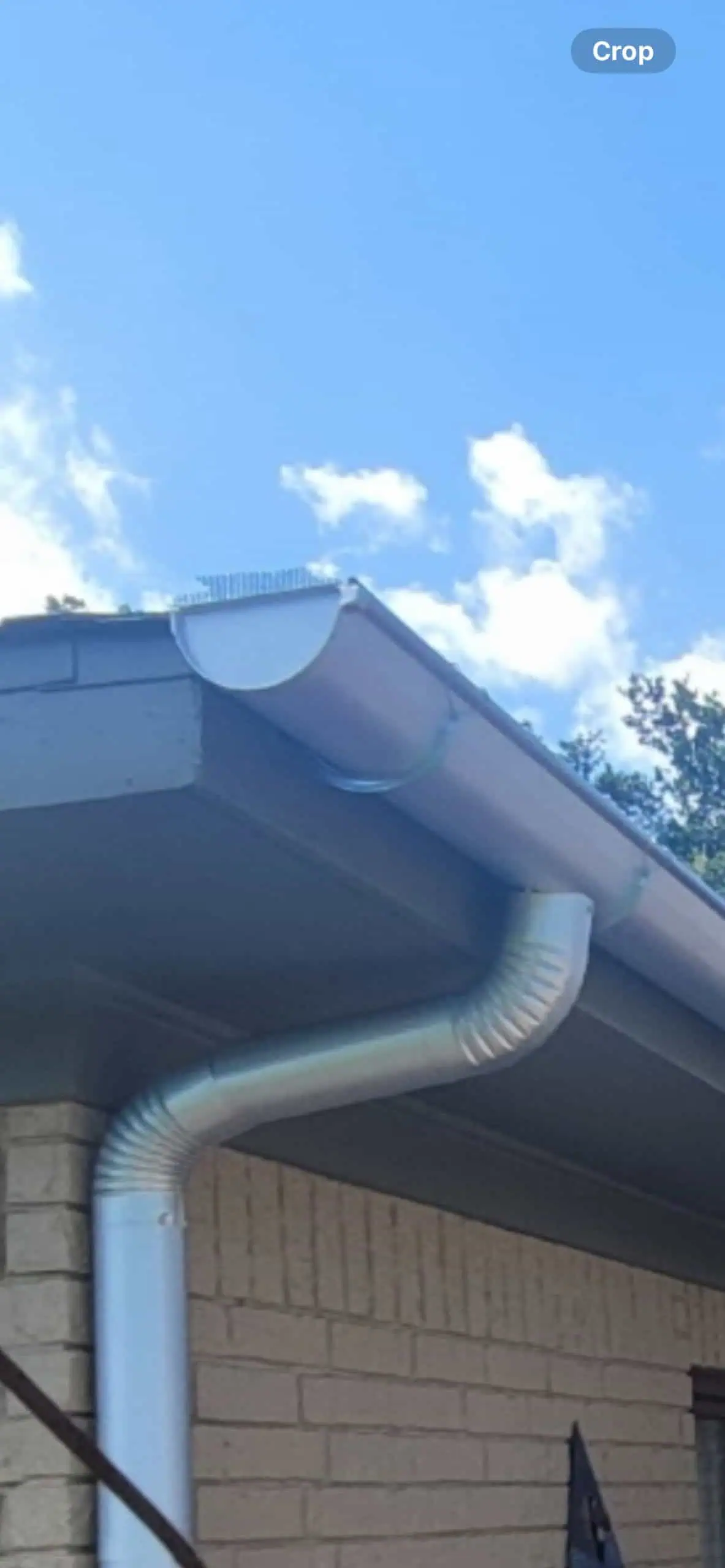
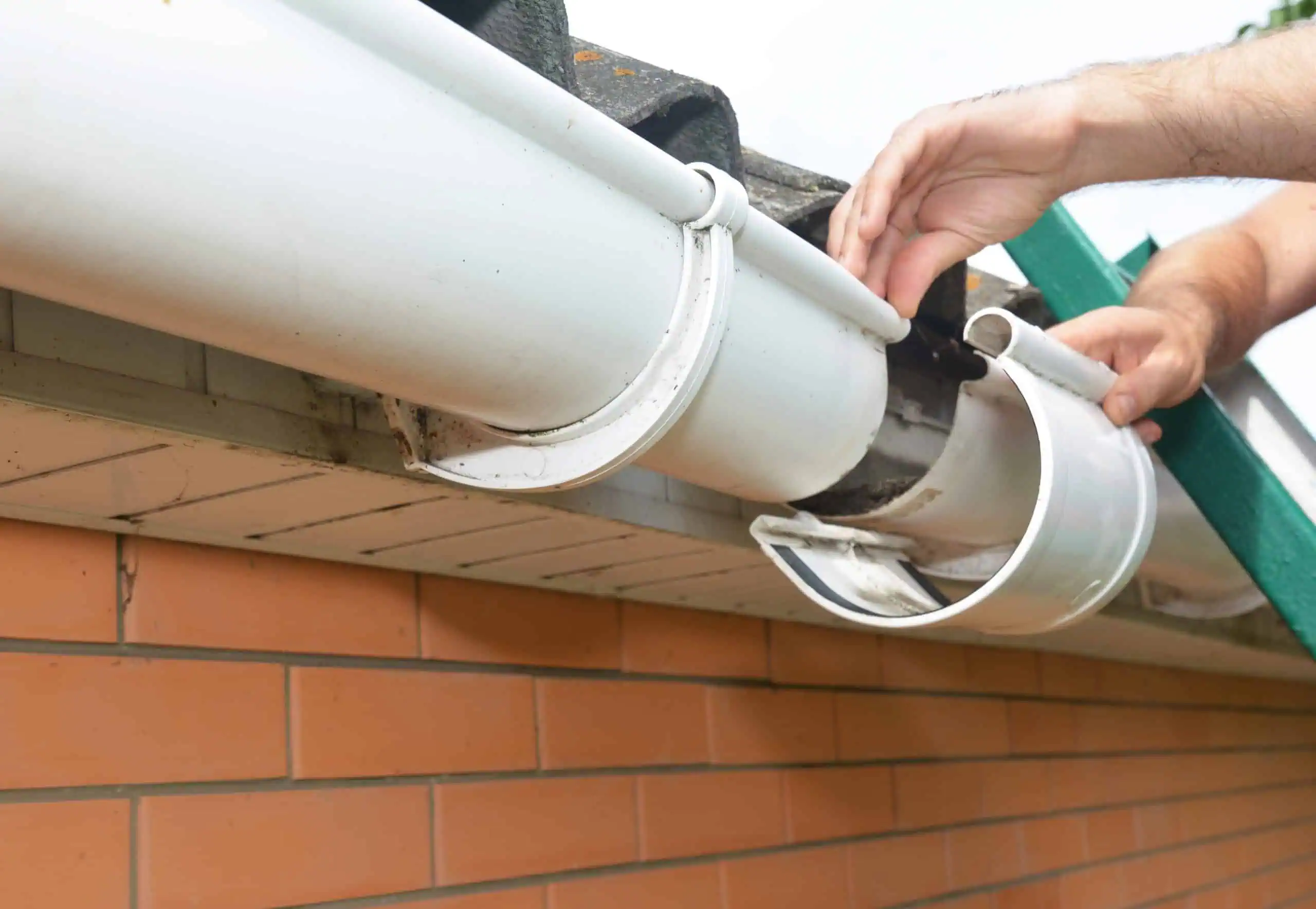
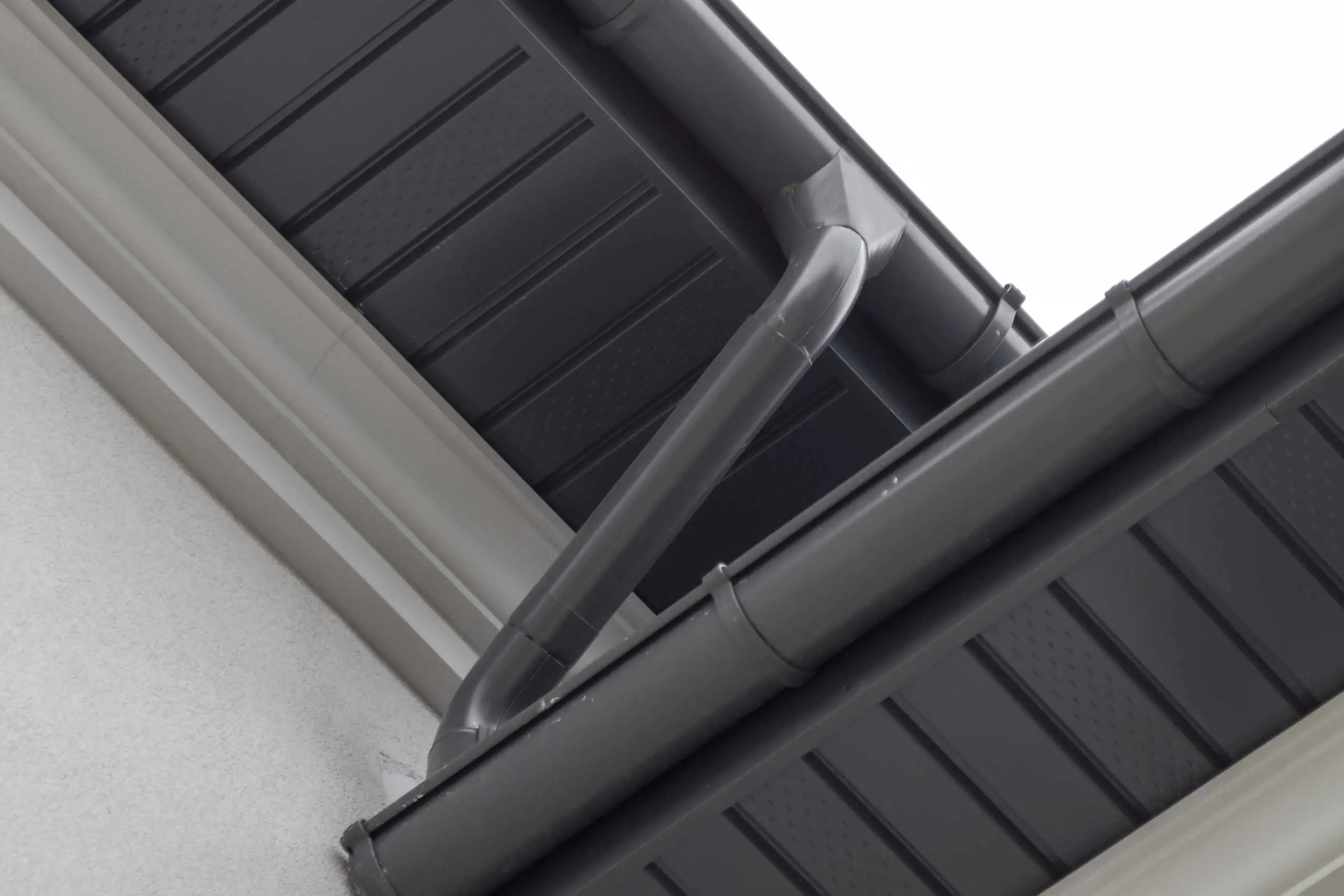
Discover how professional gutter installation protects your Highlands home's foundation from Texas weather while preventing expensive water damage and foundation issues.
Summary:
Highlands experiences significant rainfall throughout the year, averaging 1543 mm of precipitation annually. But it’s not just the volume—it’s the dramatic swings between wet and dry periods that create problems.
In many parts of Central and South Texas, soil is predominantly clay-based, with properties in the Austin and San Antonio areas highly susceptible to soil movement due to moisture changes, as clay contracts during dry weather spells leading to soil shrinkage. As soil absorbs rainwater, it expands, then after rain, the sun comes out, temperature rises, and ground begins to dry, causing soil to contract, putting tremendous stress on your property’s foundation.
This constant expansion and contraction cycle is exactly why Texas is #1 in foundation failures, with cracks commonly found in foundations, walls, and brick of Texas homes.
Without proper gutters, rainwater cascades directly off your roof onto the soil around your foundation. Houston gets 53 inches of rain per year compared to the national average of 38 inches, and gutters and downspouts allow your roof to drain rainwater to prevent long-term damage to your home’s foundation.
When water pools around your foundation, several destructive processes begin immediately. The contraction and expansion of clay soils in Central Texas is one of the main reasons for concrete slab failure, as soil around the foundation’s perimeter expands when saturated with rainwater, then contracts during dry periods, compromising foundation support and leading to cracked foundation and masonry.
Rainwater falling off a roof edge without gutters hits the ground causing “splash-back” consisting of soil and minerals that end up on your home’s exterior, creating stains on masonry or siding that can be difficult to remove over time. More critically, inadequate drainage around the home leads to water pooling around the foundation, seeping into soil and causing it to expand and contract, leading to foundation movement and damage.
The financial impact is staggering. Foundation repair costs range from $10,000 to $50,000 depending on severity, and foundation failures lead to expensive repairs and reduction in home value. Compare this to professional gutter installation, which costs between $2,000 and $6,000 for average-sized homes but lasts 20-30 years.
Foundation maintenance is moisture management with a two-pronged approach: soaker hose watering when it’s dry, gutters and drainage when it rains. This isn’t just theory—it’s the practical reality of protecting your investment in Texas.
Professional gutter systems work by capturing every drop of water that hits your roof and directing it away from your foundation through carefully engineered downspouts. Seamless gutters mitigate flooding near your foundation and redirect rainwater to a safe drainage route. This controlled water management prevents the soil moisture fluctuations that cause foundation problems.
Expansive soil can increase volume by more than 10%, putting enormous stress on your home’s foundation, and over time, shifting soil under and around your foundation can cause it to tilt or sink, putting your entire structure at risk. Proper gutters eliminate this risk by maintaining consistent moisture levels around your foundation perimeter.
The materials matter too. Professional gutters are designed to withstand extreme weather conditions like falling debris, high winds, and heavy rains common in Texas, and quality gutters last 20 to 150 years depending on the type chosen. This longevity means your foundation protection improves with time rather than deteriorating.
Want live answers?
Connect with a Arm Strong Gutters expert for fast, friendly support.
You might think gutter installation is a weekend DIY project, but the stakes are too high for trial and error. The DIY route typically costs more time and money, creating a mountain of frustration, with structural damage being a common side effect of trying to install on your own.
Professional installation ensures your gutters function as an integrated water management system, not just decorative elements. Gutter and downspout installation takes into account the pitch and size of a roof, features and size of yard and driveway, as well as architecture and layout of the entire property.
This precision matters because improper installation can actually worsen foundation problems rather than prevent them.

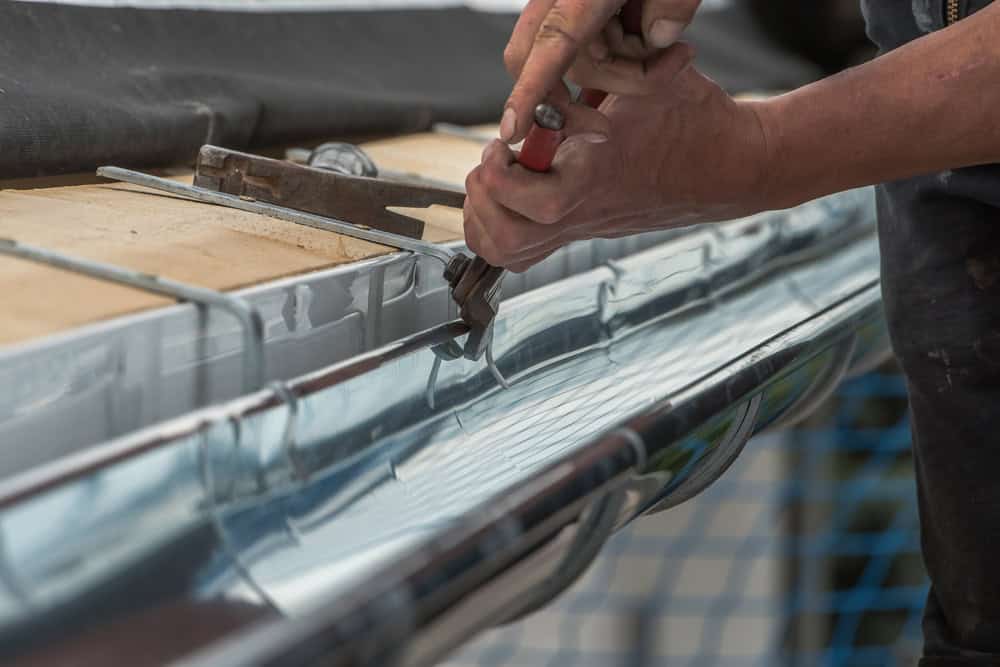
Professional gutter installation goes far beyond simply hanging metal channels on your roofline. We roll and cut your gutters right at your house, and affix them to your home with rivets (not screws) capable of withstanding Texas weather.
The process begins with a comprehensive assessment of your property’s unique drainage needs. We make recommendations based on your home style, goals, average precipitation in your region, and the square footage and pitch of your roof. This isn’t one-size-fits-all—it’s engineering tailored to your specific situation.
Material selection becomes critical in Texas conditions. We use three types of gutter material: galvalume, aluminum, and copper, with each gutter type having its purpose and advantages, offering over 50 gutter colors to choose from. Aluminum is the most popular material, but galvalume is far stronger than aluminum alone, which can get damaged by hail and falling tree branches.
Professional installation also includes proper downspout placement and drainage solutions. Foundation experts recommend downspouts drain at least 10 feet from your home, extending downspouts if necessary. This distance isn’t arbitrary—it’s based on soil science and water flow dynamics that protect your foundation.
Quality contractors provide warranties and ongoing support. We offer warranties on workmanship, giving you protection beyond the initial installation.
Professional gutter installation isn’t an expense—it’s an investment that pays dividends for decades. Gutter maintenance increases property value and curb appeal while protecting from erosion, water damage, cracked foundations, and dry rot.
The math is compelling. The cost to repair water damage to your home will always exceed the cost of installing a new drainage system. When you consider that foundation repairs range from $10,000 to $50,000 while professional gutter installation costs between $2,000 and $6,000, the return on investment is immediate.
But the benefits extend beyond avoiding catastrophic repair costs. Professional gutters provide peace of mind with a low-maintenance, leak-free system that requires little more than regular cleanings and light maintenance to continue working as promised.
Property value protection is another significant benefit. Professional installation offers the option of selecting gutter materials and styles that enhance your home’s appearance, thereby increasing curb appeal and helping create the look you want.
The longevity factor cannot be overstated. Seamless gutters are made to last, with aluminum gutters that don’t rust coated with hard enamel finish to protect against elements, giving you and your home years of worry-free protection. This durability means your investment continues protecting your foundation for decades.
Your home’s foundation faces unique challenges in Texas, but professional gutter installation provides proven protection against the soil and weather conditions that cause expensive damage. While people who water their foundations can still have problems, proper gutters and drainage represent the best defense against drought and foundation issues.
The choice is clear: invest in professional gutter installation now, or risk facing foundation repair bills that can reach tens of thousands of dollars. Avoid expensive repairs down the road by getting ahead of gutter drainage issues now.
We at Armstrong Gutters & Sheet Metal understand the specific challenges facing Highlands homeowners and provide the expertise, materials, and installation quality your home deserves. Don’t wait for the next heavy rain to test your home’s defenses—take action now to protect your most valuable investment.
Article details:
Share:
Continue learning: